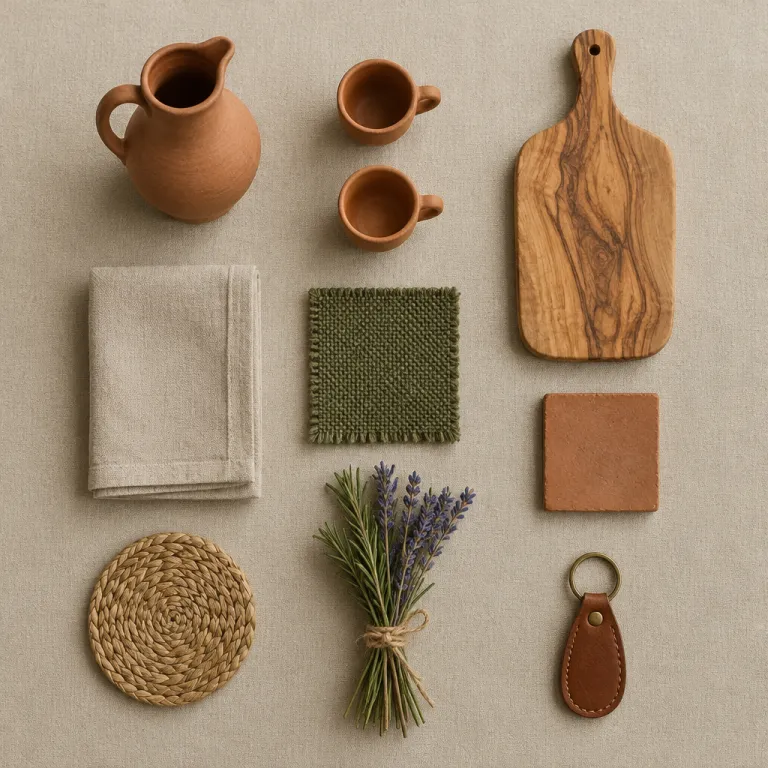
The quiet luxury of made in Italy handmade products in Tuscan hotels
In Tuscany, the most memorable hotels are often defined by made in Italy handmade products that you can see, touch, and sometimes even buy. These properties use every room as a discreet gallery where each hand made object tells a story about the city, the countryside, and the family who crafted it. When you choose a stay curated this way, you are not only booking a room but stepping into a living chapter of Italian history, design, and art fashion.
Across Florence, Siena, and the coastal villages sul mare, owners collaborate with local artisans to commission tailor made furniture, ceramics, and leather goods that reflect both Italian fashion and regional heritage. Instead of anonymous décor from a global brand, you find carved headboards from a small workshop near San Gimignano, hand woven throws from the Casentino valley, and quality leather armchairs produced in the heart of Tuscany. This approach to interiors turns each hotel into a concept store of sorts, where the best Italian craftsmanship quietly supports your stay without overwhelming it.
For travelers who care about quality, this emphasis on made in Italy traditions matters as much as a sea view or a rooftop pool. You will notice the difference in the weight of the linen, the feel of the Italian leather on a desk blotter, or the way Murano glass lamps cast warm light across terracotta floors. These details are not decorative extras; they are high quality signals that the property respects Italian history, supports local artisans, and understands that true luxury is made, not merely purchased.
Florence: where hotel interiors meet Italian leather and art fashion
Florence is the natural capital for travelers who want hotels shaped by made in Italy handmade products and serious design. In this compact city, centuries of art history meet contemporary fashion made with precision, and the best properties use that tension to create interiors that feel both timeless and current. When you walk into a lobby near the Arno, you are likely stepping into a curated world of Italian leather, Murano glass, and hand made textiles.
Around the Ponte Vecchio, several hotels partner with local artisans whose workshops have supplied leather goods to generations of Florentines. You might find a writing desk wrapped in quality leather from a small family atelier, or a wardrobe lined with soft Italian leather panels that age beautifully over time. These details echo the nearby shopping Florence streets, where Italian fashion houses and independent makers share the same narrow lanes and the same commitment to high quality materials.
Some properties go further and operate as a discreet concept store, allowing guests to purchase the very pieces that furnish their rooms. A bedside lamp in Murano glass, a tailor made leather tray, or a set of hand painted ceramics can be shipped home, turning your stay into thoughtful shopping rather than rushed souvenir hunting. This model respects the rhythm of the city, giving you time to understand each artisan, each brand, and each object before you decide what deserves a place in your own home.
From countryside estates to hotels sul mare: artisans behind the scenes
Beyond Florence, Tuscan hotels in the countryside and along the coast sul mare rely on made in Italy handmade products to express a strong sense of place. In Chianti, Val d’Orcia, and the Maremma, many restored farmhouses are furnished by local artisans who understand both the climate and the agricultural history of each valley. Thick linen curtains, hand made terracotta tiles, and solid wood tables are not nostalgic props; they are practical responses to heat, light, and rural life.
On the Tyrrhenian coast, from Versilia to the Argentario peninsula, you often see ceramics and textiles that echo maritime colors. Here, Italian fashion influences appear in striped fabrics, rope details, and tailor made outdoor furniture designed to withstand salt air while maintaining high quality comfort. Even the poolside loungers might be wrapped in quality leather or durable canvas produced by a regional brand that usually supplies sailing gear.
In these quieter settings, the relationship between hotelier and artisan is often deeply personal and family based. Owners may commission a single carpenter to create every bed frame, wardrobe, and bench, ensuring that the entire property feels coherent and genuinely made in Italy in spirit. When you sit down to breakfast, the cutting boards, ceramic plates, and cured meats platters are likely produced within a short drive, turning each meal into a subtle celebration of local artisans and their work.
How to recognise genuine made in Italy handmade products when booking
When you compare hotels online, it can be difficult to see which ones truly invest in made in Italy handmade products and which rely on generic décor. Look for detailed descriptions that mention specific local artisans, named workshops, or family run studios in Florence, Siena, or smaller city centers. Properties that care about authenticity usually highlight tailor made furniture, Italian leather upholstery, and hand made ceramics rather than vague references to design.
Pay attention to how a hotel speaks about Italian fashion and interiors, especially if it is located near major shopping Florence districts or close to the Ponte Vecchio. Serious properties often explain how they collaborate with a particular leather goods brand, a Murano glass studio, or a concept store that curates art fashion pieces for their public spaces. When you see this level of transparency, you can be confident that the quality leather chairs in the lobby or the hand woven rugs in your suite are not mass produced imports.
Guest photos and independent reviews can also reveal whether a hotel’s made in Italy claims hold up in reality. Look for repeated mentions of artisan crafted details, from carved headboards to custom lighting, and note whether staff can explain the history behind each piece. If a property offers shopping experiences with local artisans, such as visits to a leather workshop or a tasting of cured meats on a family farm, that is another strong sign that craftsmanship is at the heart of its identity.
From workshop to guestroom: the artisans shaping Tuscan hospitality
Behind every elegant Tuscan hotel room furnished with made in Italy handmade products stands a network of artisans whose skills have been refined over generations. In Florence, leather workers who once supplied saddles now create Italian leather headboards, desk accessories, and luggage racks for high fashion inspired suites. Their work transforms functional objects into quiet statements of Italian fashion and quality.
In smaller towns such as San Casciano, Pienza, or Montepulciano, carpenters, ceramicists, and textile weavers collaborate with hoteliers to design tailor made pieces that respond to each building’s architecture. A centuries old stone wall might call for a simple oak bed, hand made and finished with natural oils, while a vaulted dining room could be illuminated by Murano glass chandeliers sourced through a trusted concept store in Florence or even from Venice. These choices ensure that every room feels coherent, with each object made to respect both history and contemporary comfort.
Food focused artisans also shape the guest experience, especially when cured meats, cheeses, and olive oils from nearby farms appear on breakfast tables and in hotel delicatessens. Some properties now integrate shopping into their hospitality, allowing guests to order high quality products from the same family producers who supply the kitchen. In this way, the best Italian hotels in Tuscany become bridges between travelers and local artisans, turning each stay into a refined form of shopping that supports the region’s cultural and economic heart.
Planning your stay: weaving shopping, fashion, and craftsmanship into your itinerary
When you plan a trip to Tuscany, it is worth choosing hotels that treat made in Italy handmade products as a defining feature rather than a decorative afterthought. Start by mapping your route through Florence, the countryside, and perhaps a few days sul mare, then identify properties that highlight collaborations with local artisans. This approach ensures that every stop on your journey offers both comfort and a deeper understanding of Italian history and design.
In Florence, consider staying near the Ponte Vecchio or Oltrarno district, where shopping Florence streets are lined with leather goods workshops, art fashion studios, and discreet showrooms for Italian fashion brands. Many hotels in this area can arrange visits to Italian leather ateliers, Murano glass galleries, or concept store spaces that curate the best Italian design from Milano, Venice, and beyond. These experiences turn ordinary shopping into a thoughtful exploration of how each object is made, from the first sketch to the final stitch.
As you move into the countryside or toward the coast, look for properties that integrate tailor made furniture, hand made ceramics, and cured meats from nearby farms into their daily operations. Some estates offer on site classes where you can watch an artisan carve wood, shape clay, or work quality leather, giving you a direct view into how made in Italy traditions survive and evolve. By the time you leave, your suitcase may hold fewer impulse purchases and more carefully chosen pieces that carry the heart of Tuscany, the skill of its artisans, and the quiet elegance of your hotel stays.
Key figures on Italian craftsmanship and hospitality
- According to data from the Italian National Institute of Statistics (Istat), Tuscany hosts more than 30,000 registered artisan enterprises, a concentration that helps hotels source made in Italy handmade products within short distances.
- Research from the Italian Trade Agency indicates that Italian leather and leather goods account for a significant share of the country’s fashion exports, with Tuscany and the Florence area representing one of the strongest production hubs.
- Studies by the Florence Chamber of Commerce show that visitors who engage in shopping for locally made products, including Murano glass, ceramics, and tailor made fashion, tend to spend more per trip and report higher satisfaction with their stay.
- Industry surveys from Italian hospitality associations reveal that hotels investing in high quality artisan furnishings often achieve higher guest review scores, especially in categories related to design, authenticity, and sense of place.
FAQ about Tuscan hotels and made in Italy handmade products
How can I tell if a Tuscan hotel really uses local artisans?
Look for detailed descriptions of furnishings, named workshops, and specific references to Italian leather, ceramics, or tailor made furniture in the hotel’s materials. Authentic properties often share stories about the family artisans they work with and may offer visits to nearby studios. Guest reviews that mention unique hand made details are another strong indicator.
Are hotels near the Ponte Vecchio better for shopping for made in Italy handmade products?
Staying near the Ponte Vecchio places you close to many leather goods shops, goldsmiths, and art fashion studios, which is ideal if shopping Florence is a priority. However, some of the most interesting local artisans operate across the river in the Oltrarno district or in quieter streets away from the main bridge. Choose a hotel that actively connects guests with these workshops rather than relying only on tourist facing stores.
Do Tuscan countryside hotels offer access to high quality artisan products?
Many countryside estates collaborate with nearby carpenters, ceramicists, and food producers to furnish rooms and supply cured meats, cheeses, and olive oils. These properties often sell a selection of made in Italy handmade products on site or can arrange direct purchases from the artisans. Staying outside the city can therefore provide a more intimate view of how each object is made and used in daily life.
Is it more expensive to stay in a hotel furnished with artisan made pieces?
Hotels that invest in high quality, tailor made furnishings sometimes sit at a higher price point, but not always. Some family run properties choose local artisans because the pieces are durable, repairable, and aligned with regional traditions, which can offer good value over time. When you pay a little more, you are often supporting both better materials and the long term survival of local craftsmanship.
Can I buy the furniture or décor from my hotel room in Tuscany?
Several design focused hotels in Tuscany operate partly as a concept store, allowing guests to purchase or order items such as Murano glass lamps, Italian leather accessories, or hand made ceramics. Ask at reception whether the pieces are available for sale or if the hotel can connect you directly with the artisan or brand. This arrangement turns your stay into a curated form of shopping, with objects that already fit your taste because you have lived with them for a few days.