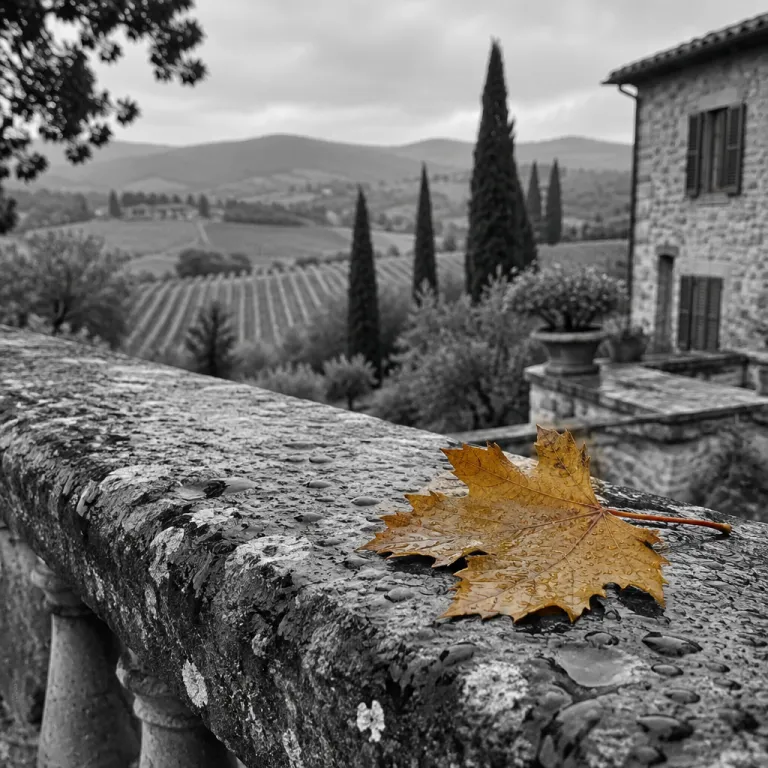
1. Why tuscany in the fall is ideal for booking your hotel
Tuscany in the fall offers a quieter, more intimate rhythm for travellers. During this season the crowds thin, the light softens, and the Tuscan countryside becomes a tapestry of gold and rust that makes every drive or walk feel cinematic. Many guests tell me that a single day spent in Tuscany autumn landscapes feels richer than a full week in peak summer.
From late September into early October, the grape harvest shapes daily life in vineyards from Chianti Classico to the rolling hills of Val d’Orcia. Local winemakers focus on the grape harvest at this time, and “Late September: vineyard harvesting” is when you will see tractors, crates, and pickers at work between the rows. If you plan on visiting Tuscany during this period, choose a hotel near working vineyards so you can watch the harvest at sunrise and return to your room before the day warms.
Weather is another decisive factor when you consider Tuscany in the fall for your stay. Average highs in October in Florence reach around 21 °C, which means you can stroll historic centres in comfort and still enjoy lunch outside on many days. By November the average low drops to about 6 °C, so pack layers for cooler evenings and expect around 14 rainy days in the month, especially if you are visiting Tuscany in hillier areas.
For hotel bookings, the autumn months from late September through November usually bring better availability than August. Many properties in the Tuscan countryside keep pools open into late October, yet rates often soften as soon as families return home after summer. To make your stay truly unforgettable, look for hotels that offer seasonal menus, access to nearby wine festival events, and partnerships with local guides for truffle hunting or olive harvest visits.
2. Seasonal travel patterns and how they shape your stay
Travel patterns across Tuscany in the fall follow the rhythm of the land. Early autumn is driven by vineyards and the grape harvest, while later weeks revolve around truffle hunting, chestnut roasting, and the first tastings of olio nuovo, the new olive oil. Understanding these shifts helps you choose the right hotel in the right place at the right time.
During late September and early October, many visitors focus on wine, staying between Chianti Classico and Val d’Orcia to be close to vineyards and cellar doors. Regional tourism offices and winery calendars note that “When is harvest season in Tuscany? Late September into early October”, so hotels in these areas often sell out their best rooms for these days. If you want to visit Tuscany for wine during this season, reserve early and ask your hotel about access to local wine festival events or private tastings.
By late October and into November, attention moves south and inland, where forests near San Miniato, Mugello, and Monte Amiata host truffle hunting experiences. Hotels in these zones often collaborate with locals who organise guided truffle hunting walks followed by lunches featuring the fresh shavings. This is also when rural properties in the Tuscan countryside begin to emphasise fireplaces, spa access, and longer dinners, which suits travellers seeking slower days in Tuscany.
As November progresses, patterns change again as some coastal resorts close while hilltop villages and spa towns remain active. Travellers who choose Tuscany autumn stays at this time often prioritise thermal baths, quiet medieval streets, and food driven festivals rather than poolside relaxation. To track these seasonal shifts and align your hotel choice with them, consider subscribing to a specialised Tuscany newsletter guide to seasonal stays that highlights current events and regional trends.
3. Weather, packing, and choosing the right area in autumn
Weather during Tuscany in the fall is generally mild, but it changes noticeably from month to month. Late September and early October bring warm days and cooler nights, while late October and November introduce more rain and fog, especially in valleys like Val d’Orcia and the Crete Senesi. By late autumn, mornings can feel crisp, yet the softer light makes the Tuscan countryside particularly photogenic.
For hotel selection, this means you should match your base to your tolerance for cooler temperatures and rain. If you prefer warmer days, choose Florence, Siena, or coastal areas in early fall weeks and plan your days in Tuscany around outdoor activities such as vineyard walks or city touring. Travellers who enjoy misty mornings and cosy evenings should look to Val d’Orcia, Chianti Classico, or spa towns during late October and November, when visiting Tuscany becomes more about food, wine, and wellness.
Packing smartly will make your stay more comfortable, whatever the season. Bring a waterproof jacket and layers, especially for evenings, because even a sunny day can end with a sudden shower in November. To refine your expectations and align your hotel choice with likely conditions, consult a detailed guide on Tuscany weather in September and how to choose the right hotel, then adjust for the cooler, wetter pattern of late October and November.
Different areas respond differently to the changing weather across Tuscany autumn. The Crete Senesi south of Siena becomes a sculpted landscape of clay ridges and long shadows, ideal for photographers who want to capture Tuscany fall colours. Meanwhile, Val d’Orcia and Val d’Orcia’s villages such as Pienza and Montalcino offer sheltered stone streets and excellent restaurants, so even a rainy day in Tuscany feels indulgent rather than wasted.
4. Harvests, festivals, and how to stay close to the action
Autumn in Tuscany is defined by harvest and festival calendars that can transform a simple hotel stay into a cultural immersion. The grape harvest dominates late September and early October, followed by the olive harvest and the production of olio nuovo in late October and November. Throughout these months, almost every weekend brings some kind of local festival, from chestnut fairs to wine celebrations.
If your priority is wine, base yourself near vineyards in Chianti Classico, Montepulciano, or Montalcino during Tuscany in the fall. Many winemakers welcome guests for tastings during and after the grape harvest, and some hotels arrange transfers so you can leave the car parked and enjoy the wine safely. Staying in or near Val d’Orcia also gives you easy access to both vineyards and small towns hosting food and wine festival events.
Travellers interested in truffle hunting should look at hotels around San Miniato, San Giovanni d’Asso, or the Mugello area. In these regions, locals and specialised guides offer truffle hunting walks with trained dogs, often followed by lunches where the truffles are shaved over fresh pasta or eggs. November is particularly rewarding for this, and “Is November worth visiting? Yes for truffles and fewer crowds; prepare for wet and chill” remains accurate for most of the region.
Olive growers across Tuscany begin the olive harvest in late October, pressing olives into bright green olio nuovo that you can taste directly at frantoi, the olive oil mills. Hotels that partner with these producers sometimes include visits and tastings in their autumn packages, which can be unforgettable for food focused travellers. When you visit Tuscany at this time, ask your hotel concierge for a list of nearby sagre, the local food festivals, because these events offer direct contact with residents and their seasonal traditions.
5. Moving around: car rentals, scenic routes, and spa focused stays
Getting around Tuscany in the fall is easier and more pleasant than in high summer, especially if you rent a car. Roads are less crowded, parking in hilltop towns is more manageable, and the changing colours of the Tuscan countryside turn even short transfers into scenic drives. A car also lets you adapt your plans quickly if a rainy day in Tuscany pushes you toward indoor activities or spa visits.
For wine and landscape lovers, a route linking Chianti Classico, the Crete Senesi, and Val d’Orcia works beautifully in autumn. You might spend a day exploring vineyards near Radda or Gaiole, another day crossing the clay hills of the Crete Senesi, and a third day in Val d’Orcia between Pienza and Bagno Vignoni. This pattern of days in Tuscany allows you to balance tastings, photography, and slow lunches without rushing, especially during the calmer fall months.
Wellness oriented travellers often combine Tuscany autumn stays with thermal spa experiences. Towns such as Bagno Vignoni, Bagni San Filippo, and Montecatini Terme offer hotels with direct access to hot springs, which feel particularly restorative in late October and November. To refine your choice of spa property and ensure it matches your expectations, consult a dedicated guide on Tuscany hot springs and spa hotels before you book.
Even if you rely mainly on trains between major cities, consider renting a car for at least one day to explore the Tuscan countryside. A single day in a car around Val d’Orcia or the Crete Senesi can be unforgettable, especially when combined with a visit to a winery or an olive oil mill. Hotels in rural areas often provide parking and can suggest circular routes that showcase Tuscany fall colours, viewpoints, and small villages with excellent trattorie.
6. How to choose the right hotel for tuscany in the fall
Selecting a hotel for Tuscany in the fall starts with clarifying your priorities. Some travellers want to be within walking distance of historic centres, while others prefer the quiet of the Tuscan countryside surrounded by vineyards and olive groves. Your choice of month, whether late September, October, or November, should guide whether you focus on pools, fireplaces, or spa facilities.
If your main goal is wine and the grape harvest, look for properties near Chianti Classico or Val d’Orcia that collaborate with local wineries. Ask whether they can arrange tastings, vineyard walks, or transport so you can enjoy wine without using a car after drinking. For food lovers focused on truffle hunting, chestnut festivals, and olio nuovo tastings, hotels near San Miniato, San Giovanni d’Asso, or the Mugello area will keep you close to seasonal events.
Travellers who value scenery above all should consider hotels overlooking Val d’Orcia, the Crete Senesi, or other panoramic valleys. These locations showcase Tuscany fall colours at sunrise and sunset, turning even quiet days into unforgettable experiences. When visiting Tuscany in the cooler months, prioritise properties with good heating, generous breakfasts, and comfortable lounges, because you may spend more time indoors on rainy days.
Finally, pay attention to cancellation policies and seasonal offers when you plan your stay in Tuscany autumn. Some hotels introduce attractive midweek rates in late October and November, especially outside public holidays and major festival weekends. By aligning your booking with the rhythms of the season, you turn Tuscany in the fall from a simple trip into a layered journey through wine, food, and landscape.
Key figures for tuscany in the fall
- Average high temperatures in October in Florence reach about 21 °C, which supports comfortable daytime sightseeing without the heat stress of midsummer (source: regional climate data from the Italian Air Force Meteorological Service, MeteoAM, 1991–2020 averages).
- Average low temperatures in November in Florence drop to around 6 °C, so travellers booking hotels in hilltop towns should plan for cool evenings and pack warm layers (source: MeteoAM and Tuscan regional climate summaries for the 21st century).
- November typically brings about 14 rainy days in many parts of Tuscany, making indoor friendly hotels with lounges, spas, or nearby cultural attractions especially valuable (source: long term precipitation records for central Italy compiled by MeteoAM).
- The main harvest season in Tuscany runs from late September into early October, so hotels near vineyards and olive groves are in higher demand during these weeks (regional tourism data and winery calendars for recent years).
- Truffle fairs and related festivals peak across October and November, which encourages travellers to choose accommodations close to towns such as San Miniato or San Giovanni d’Asso for easy access to events (regional festival programmes and municipal tourism offices, updated annually).
FAQ about tuscany in the fall for hotel stays
When is harvest season in Tuscany and how does it affect hotels ?
Harvest season in Tuscany runs from late September into early October, when vineyards across Chianti Classico, Val d’Orcia, and other areas are busiest. Hotels near vineyards often see higher demand and may require longer minimum stays during these days. If you want to experience the grape harvest, book several months ahead and ask your hotel about access to winery visits or harvest themed activities.
What weather should I expect in October and November ?
In October, Tuscany usually offers warm days and cool nights, with average highs around 21 °C in cities like Florence. Rain increases into November, when average lows drop to about 6 °C and fog becomes more common in valleys such as Val d’Orcia. Choose hotels with good heating and comfortable common areas for November stays, and always pack layers plus a waterproof jacket.
Is November a good time to visit Tuscany for a hotel stay ?
November is an excellent time to visit Tuscany if you value quiet streets, truffle festivals, and lower hotel rates. Many rural hotels and spa properties remain open, focusing on food, wine, and wellness rather than poolside activities. You should, however, be prepared for more frequent rain and shorter days, which makes cosy interiors and nearby restaurants especially important.
Do I need a car to enjoy tuscany in the fall ?
A car is not strictly necessary if you stay in major cities such as Florence or Siena, but it greatly enhances your experience of the Tuscan countryside. In autumn, lighter traffic and colourful landscapes make driving between hilltop towns, vineyards, and olive oil mills particularly rewarding. If you prefer not to drive, choose hotels that can arrange transfers or guided day tours to Val d’Orcia, Chianti Classico, and other rural areas.
Which areas are best for a first autumn trip to Tuscany ?
For a first visit focused on Tuscany in the fall, many travellers combine Florence with either Chianti Classico or Val d’Orcia. This pairing offers art and architecture in the city, plus vineyards, small villages, and panoramic countryside in a single itinerary. If you are especially interested in truffle hunting or spa experiences, consider adding San Miniato, San Giovanni d’Asso, or a thermal town such as Bagno Vignoni to your hotel choices.