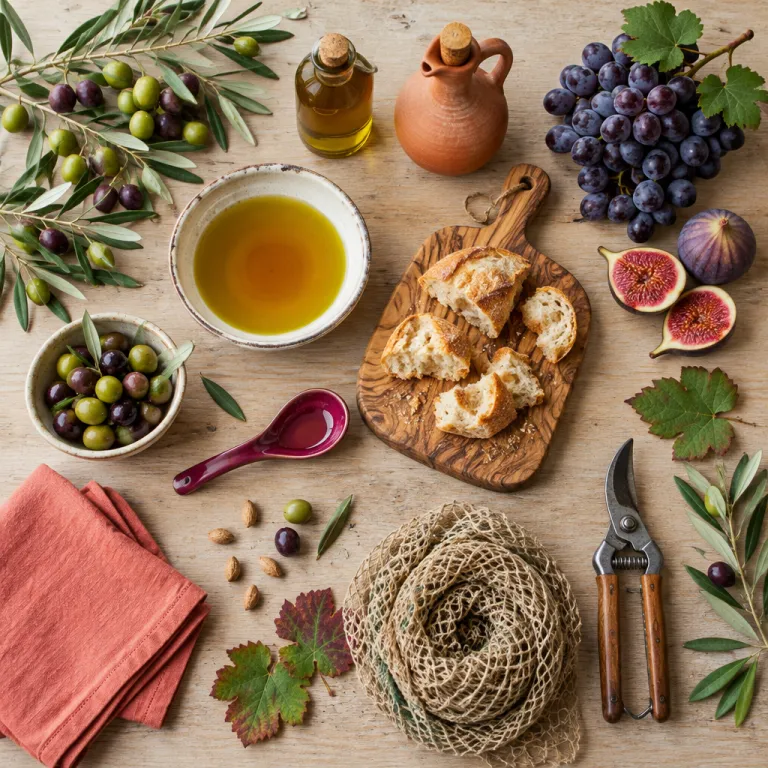
Why October in Tuscany belongs to the olive tree
October in Tuscany is when the olive tree finally takes center stage. Across tuscany the first nets appear under branches, and the air around every working olive mill smells faintly of cut grass and tomato leaf. For travelers planning olive oil tasting Tuscany stays, this is the month when the landscape and the table speak the same language.
The term olio nuovo refers to the first extra virgin olive oil pressed from the new harvest. It is an electric green oil with a vivid olive aroma, a peppery finish and a short window of peak flavor that makes every oil tasting in this season feel like a limited edition. When you book a countryside hotel or agriturismo, ask directly about their own olive oils and whether guests can watch the pressing at the on site oil mill or nearby frantoio.
Base yourself within an hour or so of florence or between san gimignano and the Chianti Classico hills if you want both vineyard color and easy access to an olive mill. In these areas a farm tour often includes a walk through the groves, a look at the olive mill machinery and a guided oil tour that explains what makes a high quality extra virgin product. Choose a location where you can reach the groves on foot in a few minutes, because the most memorable tasting experience often happens after a slow walk back under the trees.
For someone choosing a hotel, the key is to treat olive oil tasting Tuscany as a central experience rather than a side activity. Look for a family run farm stay where the owners still manage their own olive tree terraces and can talk you through the difference between virgin olive and extra virgin categories. When a property mentions both wine tour options and an autumn oil tour or mill tour in its description, you are usually in the right place for a full food and wine immersion.
From florence to the groves: planning your harvest base
Florence is a tempting base, but for olive oil tasting Tuscany you gain more by sleeping among the hills than along the Arno. Use the city for a first tasting experience in an enoteca that pours different tuscan olive oils side by side, then move out to a rural location where the nights are quieter and the stars brighter. A good rule is to keep your chosen farm within ninety minutes of florence by car, so you can still enjoy a museum morning before returning for an afternoon farm tour.
Chianti Classico between Greve and Radda offers a classic mix of tuscan wine estates, stone villages and working farms where olive and wine olive groves share the same slopes. South of florence the hills around Impruneta and San Casciano are known for their long olive growing tradition and for frantoi that welcome visitors during pressing hours. If you are arriving from Rome and want refined ways to enjoy the best Tuscany tours from the capital while staying in style, consider itineraries that pair a private wine tour with an afternoon oil tasting at a family farm in these northern Chianti areas.
Westward, the triangle between san gimignano, Volterra and Colle di Val d’Elsa gives you medieval towers, white roads and a dense patchwork of olive tree groves. Here many agriturismi sit beside a small olive mill or partner with a nearby oil mill for guest visits, which means you can walk from your room to the tasting room in a matter of minutes. When comparing hotels, ask whether they offer an organized oil tour or mill tour during the harvest, or whether they simply point guests toward a cooperative frantoio in the next village.
October days are long enough for a late morning farm tour, a leisurely lunch and an unhurried afternoon tasting experience. Prioritize stays that serve a proper tuscan lunch built around local specialties rather than generic international food, because the best way to understand extra virgin olive oil is to taste it over grilled bread, beans and seasonal vegetables. If a property can arrange both cooking classes and a guided oil tasting on site, you will have a richer sense of how this oil shapes everyday life in tuscany.
At the frantoio: how to taste new oil like a local
Watching olives become oil is the moment when olive oil tasting Tuscany shifts from theory to something almost theatrical. A good frantoio or olive mill will let you follow the process from the arrival of the crates to the final stream of neon green extra virgin flowing into steel tanks. Ask your hotel to book a visit during active pressing hours, because the sound, heat and scent of the machinery are part of the experience.
During a structured oil tasting, you will usually compare several olive oils from different groves or harvest dates. The host may pour each oil into a small blue glass, warm it in the hand and invite you to inhale deeply before sipping, so you can pick up notes of artichoke, almond or fresh cut grass. Expect to cough slightly with the best extra virgin samples, as that peppery kick at the back of the throat is a sign of high quality oil rich in polyphenols.
Many family farms around san gimignano, Montepulciano and Montalcino now combine a wine tour with an oil tour, so you can taste tuscan wine and new oil in the same stone cellar. This kind of combined wine food program often includes a plate of pecorino cheese, cured meats and bruschette, which lets you compare how each olive oil behaves with different textures. If you are interested in elegant tuscan wine immersion while staying in a hotel, look for small group vineyard experiences that also highlight the role of the olive tree in the estate’s landscape.
Allow at least two to three hours for a full farm tour with oil tasting, especially if it includes a walk through the groves and a short mill tour. Some estates offer cooking classes where you prepare a simple tuscan lunch using both new oil and last season’s extra virgin, which is an excellent way to understand how flavors soften over time. When you return to your hotel after such a tasting experience, you will find yourself reading every olive oil label at dinner with a more critical, and more appreciative, eye.
Long lunches, truffles and where to sleep among the vines
October in tuscany is not only about the olive harvest ; it is also late vendemmia for some vineyards and the start of white truffle season in areas like San Miniato. This makes it an ideal month to plan olive oil tasting Tuscany trips that weave together wine tour days, truffle hunts and slow lunches under still warm skies. Choose a hotel or agriturismo with outdoor tables and a sheltered terrace, because you will want to stretch lunch into the afternoon while the hills fade from green to gold.
In the Crete Senesi and Val d’Orcia, many family run farms produce both tuscan wine and olive oil, serving them alongside local specialties such as pici with ragù, ribollita and aged pecorino cheese. Here a typical tasting experience might begin with a walk among the olive tree rows, continue with a cellar visit and end with a generous lunch where every course is dressed with a different extra virgin or virgin olive blend. If you are curious about pairing truffle hunting with your stay, consult guides on how to choose a hotel for authentic Tuscany truffle experiences, then ask whether the same property can arrange an autumn oil tour or visit to a nearby oil mill.
Wherever you stay, confirm harvest timing directly with the property, because the exact dates for picking olives can shift by several weeks depending on rainfall and temperature. Ask specific questions about whether guests may join the harvest for an hour, watch the pressing at the partner olive mill or simply enjoy an expanded oil tasting at the table. The most rewarding hotels treat you less as a passing guest and more as a temporary member of the farm family, inviting you into the seasonal rhythm rather than keeping you at a polite distance.
Plan at least three full days if you want to balance oil tasting, wine olive experiences and unstructured hours for walking the white roads between vineyards. Alternate more structured days that include a farm tour or cooking classes with quieter ones where your only fixed point is a long tuscan lunch and a glass of local wine in the late afternoon. That is when olive oil tasting Tuscany stops feeling like an activity and starts feeling like a way of being in the landscape, not the guidebook but the tenth kilometer of white road.
FAQ
When is the best time for olive oil tasting in Tuscany during the harvest ?
The prime period for olive oil tasting Tuscany experiences usually runs from mid October through late November, when most farms are actively picking and pressing. During these weeks you are more likely to see a working olive mill in action and to taste truly fresh olio nuovo straight from the tanks. Always check with your chosen farm or hotel, because local conditions can move the harvest earlier or later by several weeks.
Which areas of Tuscany are best for combining wine tours and olive oil visits ?
Chianti Classico between florence and Siena is the most convenient region for pairing a wine tour with an oil tour, as many estates produce both tuscan wine and olive oil. The hills around san gimignano and the Val d’Orcia also offer dense clusters of family farms where you can visit an olive mill in the morning and a cellar in the afternoon. When booking, ask whether the property organizes combined wine food tastings that highlight both products in a single experience.
Do I need a car to visit olive farms and mills in Tuscany ?
A car gives you the most flexibility for reaching rural farm locations and small frantoi that are not served well by public transport. Some hotels near florence and san gimignano can arrange private transfers or small group tours that include a farm tour and oil tasting, which is useful if you prefer not to drive after wine tastings. If you plan to rely on drivers, choose a base close to a cluster of farms so travel times stay under one or two hours per day.
What should I look for when buying extra virgin olive oil in Tuscany ?
When you taste or buy extra virgin olive oil in tuscany, look for clear harvest dates, the name of the farm and the specific location of the groves on the label. High quality oils usually have a vivid aroma of fresh olive, herbs or artichoke and a balanced bitterness and pepperiness on the palate. Favor smaller family producers who can explain their process and let you sample several olive oils side by side before you choose.
Can I join the olive harvest as a hotel guest ?
Some agriturismi and rural hotels invite guests to join the olive harvest for a few hours, often in exchange for a simple tuscan lunch or an expanded tasting experience. Others prefer to keep the picking to their regular team but still welcome visitors to watch the process and taste new oil at the olive mill. Always ask in advance, as participation depends on insurance, safety rules and the size of the farm’s annual harvest.