Why the best time to visit Tuscany is after the postcards
The honest best time to visit Tuscany is autumn, when the region exhales after the last summer coaches leave. During this season Tuscany stops performing for cameras and slips back into its own rhythm, which is exactly when a thoughtful visit becomes slower, quieter and infinitely richer. If you are choosing where to stay, this is the time visit when the same countryside view feels less like a backdrop and more like a lived in landscape.
High summer in Italy gives you long days and blue skies, but it also gives you queues outside the Uffizi in Florence and fully booked rooms in every hill town on a Saturday. Those postcard months oversell scenery and undersell experience, because the best times for real contact with local life rarely coincide with peak season Tuscany marketing. When you visit Tuscany in July or during summer June, you are often sharing the same piazza with several tour groups and racing through guided tours instead of lingering over a glass of wine.
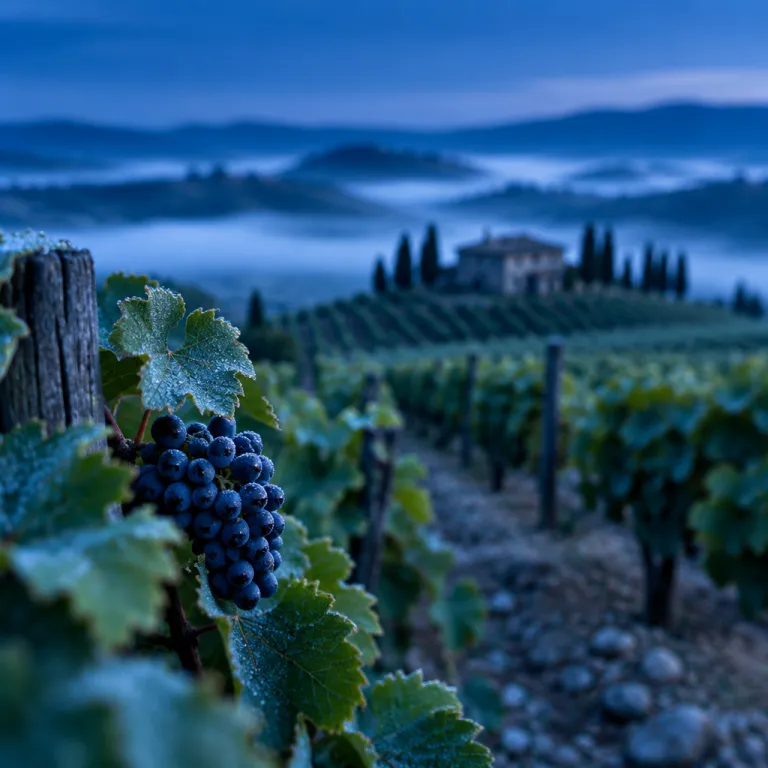
By contrast, autumn in Tuscany means vendemmia in Chianti, tractors on the white roads near Pienza and the smell of roasted chestnuts curling through the alleys of Siena. These are the days when the golden light drops earlier, the air cools and the countryside shifts from bright green to rust and ochre, and that change in season quietly changes how you travel. You notice the rhythm of local cafés in early morning, you hear more Italian than English at dinner and you finally have time to explore Tuscany without feeling pushed along by the crowd.
For hotel bookings, the economics tilt in your favour once the summer season ends and the best time to visit Tuscany for value begins. Room rates in many agriturismi around San Gimignano, Montepulciano or the Val d’Orcia soften between late September and early November, while minimum stay rules relax and last minute weekends become possible. The same suite that felt unattainable in peak summer suddenly becomes the best option for longer vacations, especially if you are willing to arrive in early September or stay into late October.
There is another reason autumn is the best time, and it is not just about price or weather. When harvest starts, the people who shape this countryside are finally too busy to perform for visitors, and that is precisely when your visit becomes more authentic. You might find that a favourite trattoria in Florence closes for a few days to make new olive oil at a family farm, yet that small inconvenience is the price of seeing Tuscany as a working landscape rather than a stage set.
Spring Tuscany has its charms, of course, with wildflowers along the Crete Senesi and the first café tables returning to the streets of Lucca. Many travel guide writers will tell you that Tuscany spring is the best time because the temperatures are mild and the hillsides glow in a softer golden light. But if you look beyond the surface, those same times visit in April and May still carry a rising tide of group tours and a hotel market already bracing for summer.
Autumn’s rhythm: harvest, availability and the real life of Tuscany
Autumn in Tuscany is not a vague mood but a precise calendar, and understanding that calendar is the key to choosing the best time for your stay. From late September to early November, the region moves through grape harvest, olive picking and truffle fairs in a compressed, almost breathless sequence of days. If you time visit dates carefully, you can align your vacations with this season Tuscany rhythm instead of fighting against it.
Start with the vineyards, because wine quietly structures the countryside around Montalcino, Radda in Chianti and Bolgheri. During late September and early October, vendemmia brings in teams at dawn, tractors at dusk and a sense of purpose that no summer festival can match, and this is when a stay on a working estate becomes a front row seat to the real Tuscany. You may not join the harvest itself, but you will feel it in the early morning chill, in the fermenting scent in the cantina and in the way local restaurants write their menus around hearty dishes that suit the season.
Next comes the olive harvest, which often runs from late October into November March, depending on altitude and microclimate. This is the best time to visit Tuscany if you care about food, because new oil appears on tables in Florence and in tiny countryside osterie near Cortona almost overnight, bright green and peppery. A thoughtful travel guide will tell you to book a room near the hills south of Siena or around Impruneta, where you can taste bruschetta drenched in freshly pressed oil while the frantoio hums late into the night.
Economically, this shoulder season is when the balance of power shifts subtly from host to guest. Outside July and August, and especially after early September, many properties open up their calendars, making it easier to negotiate longer stays or midweek upgrades and to secure elegant off season travel deals without compromising on quality. If you are strategic, this can be the best time for guided tours that would be prohibitively expensive or fully booked in summer, from private art walks in Florence to truffle hunts in the woods near San Miniato.
There are trade offs, and you should embrace them rather than pretend they do not exist. Shorter days mean you will not be lingering by the pool at 20.00, and some coastal hotels on the Maremma or Versilia close once the summer season ends. Yet those same shorter days push you into the trattorie earlier, where you share tables with local families rather than other visitors, and where conversations about the weather, the harvest and the football results become part of your own travel story.
If you are looking to stretch your budget, autumn is also when you can align your stay with elegant Tuscany off season travel deals that still keep standards high. Many countryside properties between Siena and Montepulciano quietly introduce three night packages with dinners and wine tastings included, while city hotels in Florence offer better rates on longer stays that include museum passes or curated tours. This is the moment when the best times to visit Tuscany for both value and atmosphere finally coincide, and when the region feels generous rather than extractive.
Choosing your base: countryside calm, city culture and the pull of September
Once you accept that the best time to visit Tuscany is autumn, the next question is where to stay. Your choice of base will shape not only your days but also how you experience the season Tuscany offers, from misty mornings in the Val d’Orcia to late night walks along the Arno in Florence. Think less about ticking off towns and more about how you want to feel when you wake up and when you return after dinner.
For many slow travelers, the countryside between Pienza, Montalcino and Montepulciano is the ideal place to visit Tuscany in this period. Here the golden light of late afternoon turns every cypress lined drive into a private cinema, and early evenings bring the smell of woodsmoke and roasted chestnuts from village squares where children still play football after school. Staying in this countryside during autumn means your times visit the famous hill towns can be early or late in the day, when the tour buses have gone and the stone streets echo again.
September is the hinge month, and understanding its nuances is crucial. Early September still carries a trace of summer June energy, with warm days, busy coastal resorts and a lingering holiday mood in the cities, while late September feels more grounded, with schools back in session and a quieter rhythm in cafés and markets. For many seasoned travelers, September best aligns comfortable weather, thinner crowds and the first hints of harvest, making it the best time to visit Tuscany if you want both outdoor lunches and cool nights.
Between September October, Florence becomes particularly appealing for those who value art and food over sunbathing. The queues at the Uffizi and Accademia shorten, meaning guided tours can be more focused and less rushed, and you can finally stand in front of Botticelli without a forest of raised phones. This is also when local restaurants shift their menus toward richer dishes, pairing them with new season wine from nearby hills, and when a well chosen city hotel becomes a comfortable base for day trips into the countryside.
Weather matters, especially if you are planning longer vacations or travelling with children. If you want a detailed sense of what to expect, from average temperatures to rainfall patterns, a focused resource on Tuscany Italy weather in September can help you decide whether to lean toward the coast, the hills or the cities. Once you understand that September and October bring mild days and cooler nights, you can choose a stay with a pool for warm afternoons but also a fireplace for those unexpectedly crisp evenings.
For those drawn to wellness, the shoulder season is also the best time to explore Tuscany through its hot springs and spa towns. Places like Bagno Vignoni, Saturnia and Bagni San Filippo feel calmer once the summer crowds thin, and the combination of cooler air and warm thermal water becomes genuinely restorative. Choosing a hotel with access to hot springs during autumn can turn a simple visit into a deeply relaxing retreat, especially when paired with slow drives along white roads and unhurried dinners in nearby villages.
Winter, spring and the art of embracing the trade offs
Autumn may be the best time to visit Tuscany, but winter and spring still deserve a clear eyed look. From November March, the region shifts into a quieter, more introspective mode, with bare vines, empty roads and a different kind of golden light that arrives late and leaves early. If you choose to visit Tuscany in this season, you are trading outdoor lunches for empty museums and lower prices, which can be a very good bargain.
Winter in Tuscany is about interiors rather than landscapes, and that can be its own pleasure. You spend your days in the Brancacci Chapel, the Museo dell’Opera del Duomo or the Pinacoteca in Siena, and your evenings in trattorie where the only other tables are filled with local families discussing politics and football. This is not the time visit for poolside afternoons, but it is one of the best times for deep cultural immersion, especially if you base yourself in Florence or in a well heated countryside house near Arezzo.
Spring Tuscany, by contrast, is about emergence and anticipation. From March into May, fields around San Quirico d’Orcia and Volterra turn a luminous green, and the first poppies appear along the roadside, making every drive feel cinematic even before the high season begins. Many travel guide writers will call this the best time to visit Tuscany because the weather is gentle and the landscapes are lush, and for first time visitors who value scenery above all, that argument has weight.
Yet even in spring, the logic of rhythm still applies. By late April, group tours return in force, especially to Florence, Pisa and San Gimignano, and the same streets that felt spacious in February begin to crowd again by early May. If you want the visual drama of spring without the full crush, aim for early March or the very end of April, when times visit the main sights can still be planned around quieter hours.
Summer June through August remains the default choice for many travelers, but it is rarely the best time if you care about pace and depth. Heat pushes you indoors during the most beautiful hours of the day, and the economics of high season Tuscany work against longer, slower vacations, especially for families or remote workers. You may still enjoy the countryside and the wine, yet the region feels more like a backdrop for your holiday than a character in its own story.
In the end, choosing when to explore Tuscany is less about chasing perfect weather and more about aligning with the region’s working calendar. Autumn wins because it compresses harvest, festivals, roasted chestnuts, new oil and quieter roads into a few concentrated weeks, giving you both atmosphere and access. The best time to visit Tuscany is the one nobody photographs, because the real magic lives in the tenth kilometre of white road, not in the guidebook shot.
Key figures for planning your seasonal stay in Tuscany
- According to data from the Italian National Institute of Statistics, Tuscany receives a significantly higher share of domestic visitors between October and March compared with July and August, which means more local presence in cities and countryside during the shoulder and winter seasons.
- Regional tourism reports show that average daily hotel rates in Florence and Siena can drop by 20 to 30 percent between late September and November compared with peak summer months, improving value for longer cultural stays.
- Climate records from the Italian Air Force Meteorological Service indicate that September and October in central Tuscany typically offer daytime highs between 20 and 24 degrees Celsius, allowing comfortable outdoor activities without the intense heat of midsummer.
- Visitor statistics from major museums such as the Uffizi Gallery reveal that off peak months like November and February can see less than half the daily attendance of August, reducing waiting times and crowding inside key cultural sites.
- Wine consortiums in Chianti Classico and Brunello di Montalcino report that grape harvest usually takes place from late September to mid October, while olive harvest follows from late October into November, concentrating the core agricultural activities of the region into roughly six to eight weeks.