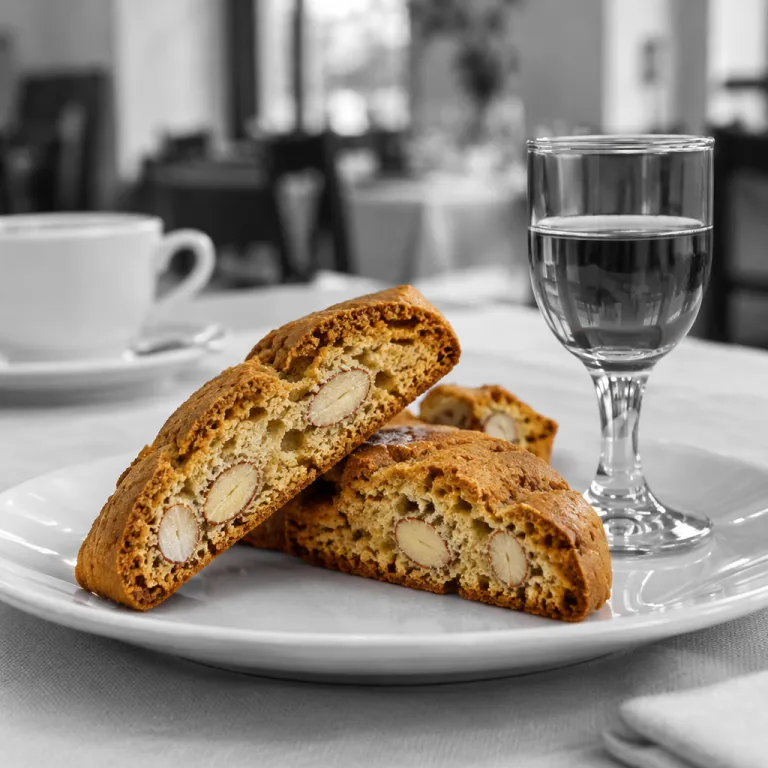
Cantucci biscuits in Tuscan hotels: how almond biscotti shape an authentic stay
Why cantucci biscuits define an authentic Tuscan hotel stay
Arriving at your hotel in Tuscany and finding freshly baked cantucci biscuits on the welcome tray sets an immediate sense of place. These traditional Italian almond biscotti carry the aroma of toasted nuts and honey, and they quietly tell you that local heritage matters here. When a property serves cantuccini alongside tea, coffee or vin santo, it signals a kitchen that respects Tuscan pastry traditions rather than relying on anonymous cookies from distant suppliers.
Cantucci originated in Prato, near Florence, where the historic Antonio Mattei Biscuit Factory still shapes the benchmark for Italian almond biscotti quality. The biscuits are twice baked to achieve their signature crunch, first as a soft loaf of dough and then as slender slices that bake a little longer on a lined baking sheet until dry and fragrant. Hotels that partner with Prato producers or with members of the Assocantuccini consortium show that they value the Protected Geographical Indication, which guarantees that Cantucci Toscani PGI are produced in Tuscany with defined ingredients and methods.
When you read hotel descriptions, look for explicit references to cantucci biscuits, almond cookies or cantuccini biscotti served at breakfast or with dessert. This small detail will often reveal whether the kitchen team is sourcing from local pastry artisans or from industrial suppliers focused only on price and volume. A tray of Italian almond biscotti in your room, stored in an airtight container to preserve their crispness, can turn a simple arrival into a quiet ritual that you will remember long after check-out.
Cooking classes from your hotel: learning cantucci with Tuscan chefs
Many refined hotels in Tuscany now arrange private or small-group cooking classes where local chefs teach guests how to prepare cantucci biscuits step by step. These sessions often begin with a short talk about Prato’s role in shaping Italian pastry culture and the path that led Cantucci Toscani to PGI recognition. If you plan to book a room, ask the concierge whether they collaborate with Assocantuccini members or with bakers trained at Antonio Mattei, because that partnership will influence the depth of the cantucci recipe you learn.
During a well-designed class, you will measure ingredients precisely, combining flour (contains gluten), sugar, baking powder, a pinch of bicarbonate of soda and whole almonds with eggs to form a dense yet workable dough. Some chefs add a discreet spoonful of olive oil for softness, while others remain faithful to the leaner, traditional Italian almond formula that keeps the biscuits very dry. Expect to shape the dough into long logs, place them on a lined baking sheet, bake until lightly golden, then slice the warm loaves with a serrated knife before returning the slices to the oven for a second bake to finish the cantuccini.
Choosing the right property becomes easier when you compare how clearly they describe their culinary activities and reviews. Look for hotels that link to detailed guides on Tuscany cooking classes in English from your hotel, because transparent information about timing, price and class size usually reflects serious hospitality standards. When past guests leave a review that praises both the cantucci recipe and the relaxed atmosphere in the kitchen, those reviews are often more reliable than generic five stars that never mention specific ingredients or techniques.
How to judge hotel cantucci biscuits like a local
Once you are seated at breakfast or after dinner, you can evaluate the cantucci biscuits in front of you with the same care that Tuscan residents apply. Start by checking the shape and colour; authentic cantuccini biscotti are sliced on a slight diagonal, with visible whole almonds and a pale golden crumb rather than a dark, overbaked surface. If the biscuits crumble into dust at the first bite instead of offering a firm crunch that softens slowly in tea, coffee or vin santo, the baking time or the second bake was probably misjudged.
Next, pay attention to flavour balance and ingredients, because good Italian pastry is never only about sweetness. Quality almond biscotti should highlight roasted almonds and eggs, with a clean finish and no greasy film on the palate, which would suggest too much butter or low-grade olive oil. When hotels publish a short description of their recipe, mentioning Italian almond varieties or specifying that the biscuits contain tree nuts and gluten for guests with allergies, that level of transparency usually earns genuine stars in thoughtful reviews.
Texture tells another part of the story, and you will notice it as soon as you break a biscuit in two. A well-made cantucci will resist slightly before snapping, revealing a tight crumb around the almonds rather than large air pockets. If you read a guest review that praises the crunch, the aroma and the way the cookies hold their shape when dipped in vin santo, you can trust that the kitchen respects both leavening proportions and total time in the oven, instead of rushing production to save time.
Pairing cantucci with Tuscan wines and hotel based cooking vacations
In Tuscany, the classic pairing for cantucci biscuits is a small glass of amber-coloured vin santo served at the end of a leisurely dinner. Hotels that curate serious wine lists often extend this tradition by offering tasting flights where different dessert wines are matched with several styles of almond cookies, from traditional Prato cantuccini to chocolate-studded variations. When a sommelier explains how the sweetness and acidity of vin santo interact with the toasted almonds and the dry crumb, you gain a deeper understanding of why these biscotti will never feel like ordinary cookies.
Some properties go further and build entire cooking vacation packages around regional pastry, including hands-on sessions dedicated to cantucci recipe variations. When you evaluate such offers, look for clear details about class duration, the number of recipes covered and whether you will work individually or in pairs on your own baking sheet. Packages that combine structured kitchen time with curated vineyard visits, such as those described in elegant Tuscany cooking vacation packages for hotel based stays, tend to deliver better value than vague promises of “food experiences”.
During these stays, you might prepare several batches of almond biscotti, experimenting with different proportions of almonds, eggs, sugar and flour to see how each change affects the final texture. Chefs will usually show you how to cool the slices completely before placing them in an airtight container, which preserves their crunch for days without any loss of aroma. When you later read your own notes back home, the time you spent learning to handle the dough and to use a serrated knife correctly will feel like a lasting souvenir of your Tuscan hotel kitchen.
From Prato to your pillow: sourcing and storing hotel cantucci
Behind every plate of cantucci biscuits served in a Tuscan hotel lies a chain of decisions about sourcing, storage and service. Many properties in Florence, Siena and the Chianti hills now buy directly from Prato-based producers who follow the traditional method of baking a loaf, slicing it while warm and then drying the slices slowly. When you see the PGI logo for Cantucci Toscani on the packaging displayed near the breakfast buffet, you can be confident that the biscuits respect the standards promoted by Assocantuccini to protect regional identity.
Storage practices inside the hotel matter just as much as the original recipe, because these Italian biscotti are designed to stay crisp rather than soft. Good pastry teams cool the biscuits fully on a lined baking tray before transferring them to an airtight container, which prevents ambient humidity from dulling the crunch. If you notice that the almond cookies on offer are limp or lack aroma, it may indicate that they were left exposed too long or that the kitchen tried to extend their shelf life beyond a reasonable time window.
When you read online reviews, pay attention to how guests describe the small details of their stay, including the quality of the cookies left in the room or served with tea or coffee in the lounge. A short but specific review that praises the nutty flavour, the visible almonds and the perfect balance between sweetness and crunch often carries more weight than a long text that never mentions food. Hotels that respond to such reviews by naming their suppliers or by explaining their cantucci recipe choices show a level of transparency that deserves a higher star rating in your personal evaluation.
Designing your own cantucci ritual in a Tuscan hotel
Once you have chosen a hotel that treats cantucci biscuits with respect, you can turn them into a personal daily ritual during your stay. Perhaps you start each morning with two small almond biscotti beside your espresso, taking a few quiet minutes on the terrace before excursions. In the evening, you might reserve a corner table in the bar, order vin santo or herbal tea and pair it with a plate of cookies while you read about the next day’s wine tour.
Some hotels enhance this ritual by offering complimentary tastings where the pastry chef explains the ingredients and techniques behind their Italian almond cantuccini. You may hear how they balance flour, sugar, baking powder and bicarbonate of soda to achieve a consistent rise, or how they choose specific tree nuts to highlight aroma. One Prato baker interviewed by local tourism boards often tells guests, “If you can still smell the almonds the next morning, we have done our job,” a reminder that freshness and careful storage matter as much as the recipe.
If your property also arranges vineyard immersion, such as the elegant small-group wine tours described on specialized Tuscan wine experiences for hotel guests, you can weave your cantucci ritual into a broader exploration of local flavours. The time you spend each day savouring a biscuit and reflecting on the landscapes you visited will anchor your memories more firmly than any photograph. Long after you return home, the simple act of slicing homemade dough with a serrated knife and arranging it on a baking sheet will bring back the calm of Tuscan evenings and the quiet luxury of a hotel that understands its own culinary heritage.
Key figures and facts about cantucci in Tuscany
- According to data published by Assocantuccini – Consorzio per la Tutela dei Cantuccini Toscani PGI, production of Cantucci Toscani PGI has reached several thousand tons per year in recent seasons, reflecting strong domestic and export demand for these traditional almond biscuits (see the consortium’s official reports and press releases).
- Assocantuccini’s summaries indicate that domestic consumption accounts for a little over half of total Cantucci Toscani PGI sales in Italy, which shows that Italian residents still eat more of these biscotti than international visitors do.
- Early written references to cantucci appear in Italian sources from the seventeenth century, while the now-classic addition of almonds became widespread in the nineteenth century, marking the transition toward the modern almond biscotti associated with Prato.
- Cantucci Toscani obtained Protected Geographical Indication status from the European Union, which legally ties the name to production in Tuscany following a regulated recipe and process; the full product specification is available in the EU’s PGI register for Cantucci Toscani.
- Many Tuscan hotels now feature Cantucci Toscani PGI on their menus, using the PGI label to reassure guests about authenticity, traceability and consistent quality standards, and often mentioning the certification directly in their room descriptions or breakfast notes.
FAQ about cantucci biscuits in Tuscan hotels
What makes cantucci biscuits different from other Italian cookies ?
Cantucci biscuits are twice-baked Italian almond biscotti from Tuscany, traditionally made with flour, sugar, eggs and whole almonds. The dough is first baked as a loaf, then sliced and baked again to create a very dry, crunchy texture. This method distinguishes them from softer cookies or pastries that are baked only once.
How are cantucci traditionally eaten in Tuscany ?
In Tuscany, cantucci are most often served at the end of a meal with a small glass of vin santo dessert wine. Diners usually dip the biscotti briefly into the wine to soften them slightly before eating. They are also commonly enjoyed with tea or coffee in hotels and cafés throughout the region.
What does PGI mean for Cantucci Toscani ?
PGI stands for Protected Geographical Indication, a European quality label that links a product to a specific region and production method. For Cantucci Toscani, PGI status means the biscuits must be produced in Tuscany using a defined recipe and approved ingredients. This protection helps preserve local tradition and gives hotel guests confidence about authenticity.
Can guests with allergies safely enjoy cantucci in hotels ?
Cantucci typically contain tree nuts, specifically almonds, as well as gluten and eggs, so they are not suitable for guests with related allergies. Responsible hotels clearly label these ingredients on menus or buffet cards and may offer alternative cookies without nuts or gluten. If you have allergies, always inform the hotel in advance so the pastry team can advise you safely.
Where can hotel guests buy authentic cantucci to take home ?
Guests who enjoy cantucci biscuits in their hotel can usually purchase packaged versions at local bakeries, food shops or directly from producers in Prato. Many properties stock Cantucci Toscani PGI in their own boutiques, often sourced from renowned bakeries such as Antonio Mattei. Checking for the PGI logo on the box is a reliable way to ensure you are buying authentic Tuscan biscotti.
References
- Assocantuccini – Consorzio per la Tutela dei Cantuccini Toscani PGI (official production data and product specification)
- Antonio Mattei Biscuit Factory, Prato, Tuscany (historical producer of traditional cantuccini)
- European Union – Protected Geographical Indication (PGI) register for Cantucci Toscani (legal framework and technical rules)