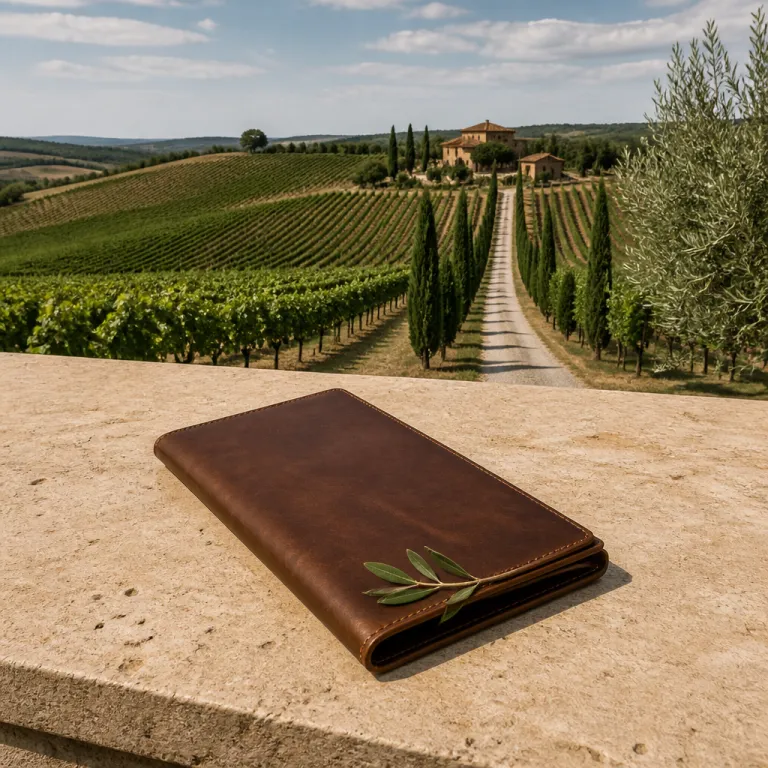
Choosing a hotel in Tuscany that elevates your wine tour
When you plan tuscany italy wine tours, your hotel choice shapes everything. Selecting a stay that understands wine, food, and timing will turn a simple tour into a layered tuscan experience that lingers long after you leave. In Tuscany, the right property becomes your quiet base between each wine tour and each day spent among vineyards.
Look for hotels that collaborate directly with local wineries in chianti and beyond. Many reception teams can secure a private wine tour, arrange a small group departure, or book transfers for guests who prefer not to drive after wine tasting. This kind of support saves you time and helps you reach the best winery estates without logistical stress.
Ask whether the hotel partners with trusted local operators that specialise in premium wine experiences. These specialists focus on curated tuscany italy wine tours and often collect guests directly from hotels in florence or from rural retreats in the tuscan countryside. A concierge at a boutique property near Greve in Chianti might say, “We schedule your tastings around lunch and sunset views, then coordinate the driver so you simply follow the glasses.” When your stay and your tours italy programme are aligned, you can enjoy both wines and food without worrying about transport or schedules.
How to time your stay for the best tuscany wine experiences
Season and weekday choices matter when planning tuscany italy wine tours. The best time for immersive vineyard visits is early autumn, when grapes hang heavy and the tuscan countryside glows with soft light. According to local experts, "What is the best time to visit Tuscany for wine tours? September to October during the grape harvest." Spring also offers fresh greenery, fewer crowds, and cooler days that suit longer cellar visits.
Hotels close to chianti or san gimignano can help you secure a wine tour on quieter days. Consider booking tastings on monday tuesday or tuesday wednesday if you prefer calm cellars and more time with winery hosts. Travellers who enjoy a livelier atmosphere may prefer wednesday thursday or thursday friday, when more group tours and small group departures fill the tasting rooms and village wine bars feel more animated.
Weekends such as friday saturday often sell out first for every popular tour and for many tuscan wine hotels. If your dates are flexible, ask the concierge which days offer the most relaxed wine tasting appointments and food wine pairings. Whatever the season, you should always book both your room and your chosen tours florence or countryside excursions several weeks in advance, especially if you are targeting harvest dates or public holidays.
From florence to the tuscan countryside: where to base yourself
Your base will define how you experience tuscany wine landscapes and wineries. Staying in florence suits travellers who want culture by night and curated tours florence by day. From the city, specialist operators run small group and private departures that reach chianti classico estates within an hour.
Guests who prefer silence and vineyard views often choose hotels in the tuscan countryside. These properties may sit between san gimignano and chianti, giving easy access to several winery zones in a single day. Many rural hotels can arrange a private driver for a tailored wine tour, combining super tuscan tastings with visits to olive oil mills and farmhouses serving regional food.
If you plan multiple wine tours over several days, consider splitting your time between florence and a rural stay. Begin with a night or two in the city for museums, then move closer to the wineries for deeper tuscan wine immersion. A sample plan might include two nights in florence for galleries and an evening wine bar crawl, followed by three nights near Castellina in Chianti for cellar visits and long lunches. This two-centre approach lets you sample both urban wines bars and countryside estates without long daily transfers across italy.
What to expect from hotel-linked wine tours and tastings
Well connected hotels treat tuscany italy wine tours as an extension of their hospitality. A typical full day might include two or three wineries, a guided cellar visit, and a leisurely lunch with food wine pairings. Many programmes balance structured wine tasting with free time to wander vineyards or medieval villages such as san gimignano.
In chianti classico, expect to sample sangiovese based tuscan wine alongside extra virgin olive oil from the same estates. Hosts often explain how soils, altitude, and years of family tradition shape the character of their wines. For guests new to italy wine culture, staff confirm that "Are wine tours in Tuscany suitable for beginners? Yes, tours cater to all experience levels." Guides usually adjust the level of detail, from basic tasting steps to discussions of vintages and super tuscan blends.
Hotels that work regularly with trusted local tour companies can secure more intimate experiences. You might join a small group of six to eight guests, or opt for a fully private tour focused on super tuscan labels and older vintages. Whatever the format, you should expect safe transport, clear explanations in English, and enough time at each winery to appreciate both the wines and the surrounding tuscan countryside.
Pairing food, wine, and hotel amenities for a richer stay
Thoughtful hotels understand that wine tours are only part of your tuscan journey. After a structured wine tasting, you may want a simple plate of local food rather than another elaborate meal. Properties that offer light evening menus with seasonal produce allow you to end the day gently, still focused on the flavours of tuscany wine you have just enjoyed.
Look for stays that highlight regional ingredients such as pecorino, wild herbs, and estate pressed olive oil. Some kitchens coordinate with nearby wineries so that the wines you tasted during the day appear again at dinner, giving you time to reassess them in a relaxed setting. This continuity between tour and table deepens your understanding of tuscan wine and of how it interacts with traditional dishes from central italy.
Spa facilities can also complement intensive tuscany italy wine tours, especially after several days of walking vineyards. A swim or massage between a morning tour and an evening food wine pairing helps balance indulgence with rest. When you evaluate hotels, consider not only proximity to wineries but also the amenities that will support your overall experience, from shaded pools and gardens to quiet lounges where you can review tasting notes.
Practical booking tips for seamless tuscany italy wine tours
Successful trips begin with early, coordinated reservations for both hotels and tours italy operators. With hundreds of wineries across tuscany, curated guidance from your hotel or from specialist guides can save you time and prevent decision fatigue. Always confirm whether your chosen wine tour includes pick up from your property or from a central point in florence.
Ask detailed questions about group size, as the difference between a large coach and a small group minivan can transform your experience. Travellers who value conversation with winemakers should prioritise private or limited group formats, especially in chianti classico and super tuscan focused areas. When comparing offers, check how many wineries you will visit in a single day and how long you will spend at each stop.
Finally, remember that "Do I need to book wine tours in advance? Yes, especially during peak seasons." High demand periods around harvest see both rooms and wine tours sell out quickly, particularly from friday saturday through monday tuesday. By aligning your hotel dates, your preferred tour days, and your desired balance of food, wine, and rest, you will create a tuscan itinerary that feels effortless from arrival to departure.
Key figures shaping wine tourism in Tuscany
- Tuscany hosts hundreds of wineries open to visitors, giving hotel guests a wide choice of winery styles from small family estates to larger chianti producers.
- According to the Consorzio Vino Chianti Classico, more than 7,000 hectares of vineyards are dedicated to chianti classico alone, underlining tuscany as one of the most influential italy wine regions for both volume and prestige.
- Guided wine tours typically run year round with morning, afternoon, and full day formats, allowing hotels in florence and in the tuscan countryside to tailor programmes to different arrival times.
- Many operators now integrate wine and art experiences, reflecting a growing demand for cultural depth alongside traditional wine tasting among international visitors.
FAQ about hotel based wine tours in Tuscany
Which areas are best for hotel stays focused on wine tours?
For guests prioritising tuscany italy wine tours, the most practical bases are florence, central chianti, and the hills around san gimignano. Florence offers easy access to tours florence departures, while rural areas place you closer to wineries and reduce daily driving time. Choosing between them depends on whether you prefer city culture or quiet tuscan countryside evenings.
How many wineries should I visit in one day?
Two or three wineries in a single day usually provide the best balance between depth and variety. This pace allows time for cellar visits, guided wine tasting, and relaxed food wine pairings without rushing. Hotels and trusted local operators often design small group itineraries around this rhythm for both beginners and experienced tasters.
Are hotel arranged wine tours suitable for beginners?
Yes, most hotel linked tours italy programmes are designed for mixed levels of knowledge. Guides explain basic italy wine terms, the role of sangiovese in chianti classico, and the differences between everyday tuscan wine and super tuscan labels. Beginners often find that a small group format offers more space to ask questions than a large coach tour.
Can I combine olive oil visits with wine tours?
Many estates in tuscany produce both wines and olive oil, so combined tastings are common. Hotels can request that your wine tour includes at least one stop where you sample new season oil alongside local bread and cheeses. This pairing helps you understand how deeply food and agriculture are linked across the region.
Should I rent a car if I plan several wine tours?
Renting a car can be useful for exploring the tuscan countryside between scheduled activities, but it is not essential for wine tasting days. For safety, most travellers rely on hotel arranged drivers, small group minivans, or private transfers with specialist operators. This approach lets you enjoy wines fully without worrying about navigating rural roads after tastings.