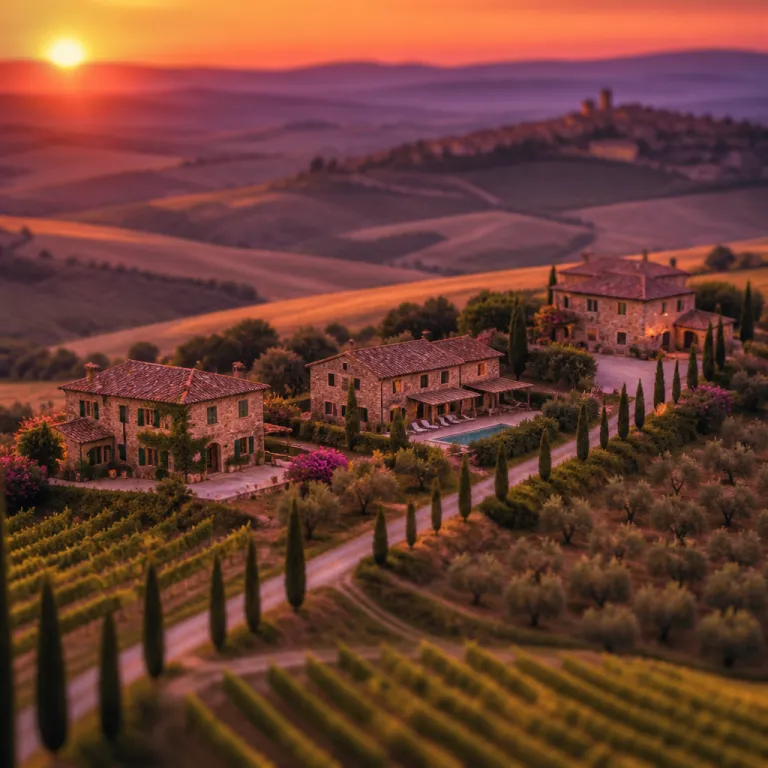
How this tuscany travel guide helps you choose your countryside stay
Tuscany rewards travellers who plan their stay with care and curiosity. This focused tuscany travel guide looks at the Chianti hills and wider tuscan countryside so you can choose the best hotel for your style of trip and your preferred pace of travel. When you understand how the region is laid out between Florence, Siena and the Val d’Orcia, every day trip becomes easier to organise and every visit feels more relaxed.
In this part of tuscany italy, distances look short on a map yet winding roads and panoramic views slow the journey in the best possible way. A clear tuscany itinerary that balances time in a historic city with nights in the countryside lets you enjoy both Renaissance art and vineyard sunsets without rushing from one piazza or landmark to another. Think of this as a practical travel guide written for someone choosing where to stay rather than a general brochure about Italy or a generic florence itinerary.
The dataset for this guide tuscany content highlights three key actors who shape your experience. Tourists arrive with different expectations, Local Guides interpret history and landscapes, and Hospitality Staff in every hotel or agriturismo turn a simple stay into a memorable trip. When you combine their perspectives with your own travel priorities, you can decide whether to base yourself near Florence, between Florence Siena and San Gimignano, or deeper in the Val d’Orcia around Bagno Vignoni.
Choosing the right tuscan countryside base between Florence and Siena
The classic Chianti region stretches roughly between Florence and Siena, with vineyard covered hills that define many images of tuscany travel. Staying here places you within an easy day trip of both city centres while surrounding you with olive groves, stone farmhouses and long views towards distant hilltop villages. For many travellers this is the best compromise between urban culture and quiet countryside nights.
North of Siena, small hamlets near the strada Chiantigiana offer quick access to the city and its famous Piazza del Campo, while still feeling deeply rural. From a hotel terrace you might see the skyline of San Gimignano on a clear day, then drive into Florence for an afternoon around the Duomo and the Basilica of Santa Maria Novella or Santa Maria del Fiore. A well planned tuscany itinerary often alternates one day in a major city with one slower day exploring local wineries and villages.
When comparing places to stay, look beyond star ratings and focus on location, road access and the type of countryside around you. Some properties sit on ridge tops with wide views across the region, others nestle in forested valleys where the atmosphere feels more secluded and the night sky darker. Ask Hospitality Staff detailed travel tips about driving times to Florence Siena, parking near the historic centres, and the best hours of the day to visit major sights.
Understanding seasons, timing and length of stay in tuscany italy
Timing shapes every tuscany travel experience, especially when you plan to stay in the countryside and drive into Florence or Siena. Local tourism data indicates that Annual Tourists number in the tens of millions each year, so choosing the right time of season and the right number of nights in each area matters. Spring and autumn offer pleasant weather and fewer crowds, while summer brings longer day light but also higher temperatures and busier roads.
Official guidance for visitors summarises the seasons clearly with the statement: “Spring and autumn offer pleasant weather and fewer crowds.” This tuscany travel guide recommends at least four nights in the Chianti region if you want to combine a day trip to Florence, a day trip to Siena and one slower day among vineyards. With more time you can extend your tuscany itinerary south towards the Val d’Orcia and the thermal village of Bagno Vignoni, where hot springs steam gently on cool evenings.
Shorter stays work best when you focus on one city and its immediate countryside rather than trying to cross the entire region. For example, two nights near Florence allow one full day in the city and one half day exploring nearby wine estates before your onward trip. If you have a week in tuscany italy, consider three nights between Florence Siena in Chianti, two nights near San Gimignano and two nights in or near the Val d’Orcia.
Key countryside areas ; Chianti, San Gimignano and Val d’Orcia
Chianti is the best known tuscan countryside area for travellers who love wine, gentle hills and easy access to both Florence and Siena. Many hotels here sit on working estates where you can taste Chianti Classico, walk among vineyards and still reach a major city within an hour. This tuscany travel guide suggests checking how far your chosen stay lies from main roads, because a beautiful view sometimes means a longer drive.
West of Chianti, the medieval towers of San Gimignano rise above surrounding fields and form one of the most recognisable skylines in tuscany. A hotel in this area suits travellers who want to visit both the city and the countryside in short loops, perhaps combining a morning in the historic centre with an afternoon wine tasting nearby. From here you can plan a day trip to Siena, stroll through Piazza del Campo and then return to quiet rural views before dinner.
Further south, the Val d’Orcia offers softer hills, cypress lined lanes and some of the most photographed views in tuscany italy. Villages such as Pienza, Montalcino and Bagno Vignoni provide a slower rhythm, with food wine experiences that focus on pecorino cheese, Brunello di Montalcino and local olive oil. Staying here works well at the end of a longer trip, when you have already explored Florence Siena and now want pure countryside calm.
What to look for when booking a countryside hotel in tuscany
When you compare hotels in this tuscany travel guide, start with access, setting and on site services rather than only room photos. In the Chianti region and the Val d’Orcia, a narrow gravel lane can add ten minutes to every drive, which matters if you plan several day trips to Florence or Siena. Ask for precise driving times to the nearest city, the nearest train station and the nearest village with shops.
Views are a major reason to stay in the tuscan countryside, so study maps and satellite images before you book. Some properties overlook vineyards and olive groves, others face wooded hills or distant city skylines such as San Gimignano or Siena, and a few enjoy glimpses of the sea on very clear days. A well chosen hotel will let you enjoy sunrise light over fields, sunset colours behind hilltop towns and star filled skies once the day’s travel ends.
Food wine options on site or nearby also shape your stay, especially if you prefer not to drive at night. Many rural hotels partner with Local Guides and restaurants to offer tastings, cooking classes and transfers so you can enjoy tuscan wine safely. When reading any travel guide or online review, look for comments about breakfast quality, seasonal menus and the balance between traditional dishes and lighter modern options.
Practical travel tips for moving between city and countryside
Reaching your countryside hotel in tuscany usually involves a mix of train and car travel. Many visitors arrive in Florence, spend one night in the city to adjust, then collect a rental car the next day to drive into the Chianti hills or towards San Gimignano. This pattern keeps driving on your first day short and lets you explore the historic centre around Piazza della Signoria, the Duomo and Santa Maria Novella on foot.
Public transport connects Florence Siena by train and bus, but rural hotels often sit several kilometres from the nearest stop. If you prefer not to drive, choose a stay close to a village and confirm whether Local Guides or hotel drivers can arrange transfers for each day trip. When planning your tuscany itinerary, allow extra time for parking on the edge of each city and walking into the historic core, especially near Piazza del Campo in Siena.
Driving in tuscany italy feels straightforward once you leave the main cities, yet you must respect speed limits and ZTL restricted zones. Always park outside the ZTL in Florence, Siena, Pisa and Lucca, then walk or use public transport to reach sights such as the leaning tower or the main piazza della areas. Carry both digital and paper maps as a simple travel guide backup, because mobile coverage can fade briefly in some valleys of the Val d’Orcia and the deeper countryside.
Understanding confusing terms ; stroke width and ffffff stroke in travel planning
Digital maps and online tuscany travel guides sometimes mention technical terms such as stroke width or colour codes like ffffff stroke in their design descriptions. These expressions belong to graphic settings for map lines and borders rather than to the practical side of your trip, yet they can appear in downloadable itineraries or custom maps. When you see them in a tuscany travel guide or a shared tuscany itinerary file, remember that they affect only how routes look on screen, not how you move between Florence, Siena and the countryside.
For hotel planning, the important map details are road categories, distances, elevation changes and the relative position of each city, village and viewpoint. A bold stroke width on a digital route might highlight the main road from Florence to the Chianti region, while a thinner line marks a scenic detour through vineyards and olive groves. Colour codes such as ffffff stroke usually indicate background layers or borders and do not change the real world experience of your day trip.
Focus instead on reading contour lines, checking driving times and noting where the tuscan countryside roads become narrow or unpaved. Combine this practical map reading with Local Guides’ advice and the travel tips from your hotel’s Hospitality Staff, who know which routes flood after heavy rain or become crowded at harvest time. Used in this way, every technical looking travel guide map becomes a clear tool that supports a calm, well paced stay in tuscany.
Key figures for planning a stay in tuscany
- Recent tourism statistics suggest that Tuscany welcomes well over ten million Annual Tourists, which means booking countryside hotels early is wise during peak months; always check the latest figures from official sources when planning.
- The region contains several UNESCO World Heritage Sites as listed by UNESCO, so a well planned tuscany itinerary can combine more than one in a single trip.
- Seasonal patterns show that spring and autumn bring milder temperatures than summer, which improves driving comfort on rural roads and walking comfort in each city.
- Travel methods data highlights that most visitors combine car, train and bus, yet a car remains the most flexible option for reaching remote tuscan countryside retreats.
FAQ ; planning your tuscany countryside hotel stay
What is the best time to visit tuscany for a countryside stay ?
Spring and autumn offer mild temperatures, green landscapes or harvest colours and fewer crowds in both Florence and Siena. These seasons suit travellers who want to combine city visits with quiet evenings in the tuscan countryside. Summer works well for poolside stays but requires earlier starts for city sightseeing.
Do I need a car to explore the Chianti hills and Val d’Orcia ?
A car is not strictly required, yet it makes exploring the Chianti region and the Val d’Orcia far easier. Trains and buses connect major cities such as Florence, Siena and Pisa, but rural hotels often lie several kilometres from the nearest stop. If you prefer not to drive, choose accommodation near a village and confirm transfer options with Local Guides or hotel staff.
How many days should I plan for a tuscany countryside trip ?
For a balanced tuscany travel experience, plan at least four to five days if you want both city and countryside. This allows one full day in Florence, one in Siena and two or more days among vineyards and hill towns. With a week you can add San Gimignano or the Val d’Orcia without rushing.
Is English widely spoken in rural parts of tuscany italy ?
English is common in hotels, restaurants and wineries that work regularly with international tourists. In smaller villages some older residents may speak only Italian, but Hospitality Staff usually bridge any language gaps. Learning a few basic Italian phrases shows respect and often leads to warmer local interactions.
Are countryside hotels suitable for travellers without previous driving experience in italy ?
Many first time visitors drive comfortably in tuscany once they leave the larger cities. Roads in the Chianti region and the Val d’Orcia are generally well maintained, though they can be narrow and winding in places. Choose a hotel with clear driving directions, ample parking and staff ready to share detailed travel tips about the easiest routes.