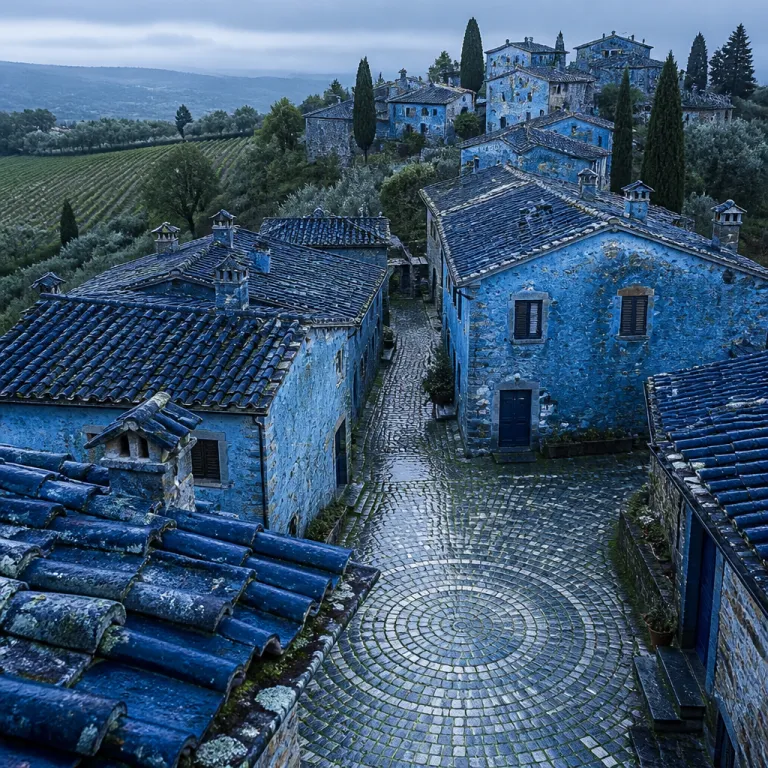
How to choose the best Tuscany towns to visit for your stay
Planning a trip to Tuscany starts with choosing the right town for your base. When you compare towns in this part of Italy, think about how you like to travel and how many day trips you realistically want to take. A well chosen city or village will shape every day of your stay in Tuscany and determine which landscapes, wines, and hot springs you actually experience.
Florence is the cultural heart of Tuscany and often the first town on any serious travel guide, but it is not always the best place for a quiet hotel stay. Many travellers now split their trip to Tuscany between a few nights in Florence and several nights in the countryside, using smaller hill towns as hubs for day trips. This approach lets you enjoy a refined stay in Florence with world class museums, then retreat to calmer towns in Tuscany where evenings revolve around the main square and local trattorie.
When you choose where to stay, consider how you will move between each town and city. Rail connections work well between Florence, Pisa, Lucca, and Siena, while the Val d’Orcia area and villages such as San Quirico and Bagno Vignoni are easier by car or private transfer. Decide early whether your trip will focus on art cities, wine country, or hot springs, because the best Tuscany towns to visit for each style of travel are different and may require different transport.
Florence, Siena, Pisa and Lucca: classic cities for a refined hotel stay
Florence remains the essential city for first time visitors who want the best Tuscany towns to visit in one coherent itinerary. A thoughtful Florence itinerary usually includes the Uffizi, the Duomo, and a quiet early morning walk across the Ponte Vecchio before the day Florence crowds arrive. For a comfortable stay in Florence, look for hotels within walking distance of the historic centre but just outside the busiest streets, such as the Oltrarno or Santa Croce areas, so your hotel nights feel calm even when the city is full.
To make this concrete, a mid range guesthouse in the Oltrarno might start around €140–€190 per night in shoulder season, while a boutique hotel with Arno views can easily reach €260–€350. Budget travellers often choose simple B&Bs near Santa Maria Novella station for easier rail access, trading some atmosphere for lower prices and shorter walks with luggage.
Siena offers a different rhythm, with its shell shaped main square, the Piazza del Campo, acting as the living room of the town. Many travellers choose a hotel overlooking a smaller side street rather than the main square itself, so they can visit the heart of Siena by day and sleep in peace at night. From Siena you can plan a day trip into the surrounding hill towns and vineyards, making it one of the best bases for a longer trip to Tuscany focused on wine and countryside.
Typical Siena stays range from simple rooms in historic buildings from about €110–€160 per night to elegant hotels with views of the Campo or the Duomo from roughly €220 upwards. One frequent pattern is to spend two nights in Siena: one full day for the city itself, and one flexible day for a guided wine tour or self drive loop through nearby villages.
On the western side of Tuscany, Pisa and Lucca work beautifully together for a short stay. Pisa is famous for its Leaning Tower, yet the city also has a riverfront and neighbourhoods where you can experience everyday Italy beyond the monuments. Lucca, encircled by 4.2 km of Renaissance walls, invites you to rent a bike and ride the ramparts in the late afternoon, then return to your hotel in the historic centre for an elegant evening aperitivo.
Many visitors base themselves in Lucca for one or two nights, choosing a small hotel or apartment inside the walls from around €120–€180 per night, and visit Pisa by train in about 25–30 minutes (based on Trenitalia regional services). In Pisa itself, hotels near the station or the river often cost less than those right beside the Leaning Tower, which can help if you are keeping a close eye on your budget.
Hill towns and wine country: San Gimignano, Montepulciano and the Val d’Orcia
For many travellers, the best Tuscany towns to visit are the hill towns that rise above vineyards and olive groves. San Gimignano, with its 14 surviving medieval towers, offers a skyline unlike any other town in Italy and feels especially atmospheric at dusk. The travel guide notes that San Gimignano is known for medieval towers and Vernaccia wine, and visiting outside the busiest hours turns a simple visit into a memorable stay.
In practical terms, small hotels and agriturismi around San Gimignano often start near €100–€150 per night, with tower view rooms and historic palazzi costing more. One common strategy is to stay just outside the walls, where you can park more easily, then walk into the centre for gelato and sunset views over the countryside.
Farther south, Montepulciano stands on a ridge with sweeping views across the countryside and is famous for Vino Nobile wine and hilltop views. Staying in a hotel inside the old town lets you wander to evening tastings on foot, then wake early for a quiet walk before day trips bring in more visitors. Many travellers pair Montepulciano with nearby Pienza and Cortona, creating a trip to Tuscany that balances wine, Renaissance architecture, and Etruscan heritage.
Expect to pay roughly €120–€190 per night for a comfortable room in Montepulciano’s historic centre, with countryside wine estates nearby ranging from simple farm stays to luxury spa resorts. A typical two or three night stay might include one day focused on wine cellars in town, one day exploring Pienza and the Val d’Orcia, and a final morning devoted to a leisurely breakfast with valley views.
The wider Val d’Orcia area, a UNESCO listed landscape, is ideal if you want to visit Tuscany for slow travel and scenic drives. Here you find San Quirico d’Orcia, often shortened to San Quirico, and the tiny spa village of Bagno Vignoni, where hot springs bubble beside stone houses. Choosing a countryside hotel between these towns in Tuscany allows easy day trips to vineyards, hilltop villages, and thermal baths, while evenings remain quiet and star filled.
Because this UNESCO World Heritage landscape is popular, prices vary widely: rustic farmhouses can start around €90–€130 per night, while design led spa hotels near Bagno Vignoni may exceed €250. When comparing options, check whether breakfast, parking, and access to thermal pools are included, as these extras can significantly change the overall value of your stay.
Thermal villages and countryside retreats: Bagno Vignoni, San Quirico and beyond
If your ideal trip to Tuscany includes wellness and nature, the thermal villages belong on your list of the best Tuscany towns to visit. Bagno Vignoni is unusual because its main square is occupied not by paving stones but by a steaming pool fed by hot springs. Staying in a hotel near this square means you can slip into thermal waters early in the day, then use the afternoon for gentle day trips through the Val d’Orcia.
Travellers often describe early mornings here as almost dreamlike, with mist rising from the pool and swallows circling the stone houses. Small spa hotels in and around Bagno Vignoni usually range from about €150–€230 per night, with higher prices in peak summer and on weekends when Italians come for short wellness breaks.
Nearby San Quirico d’Orcia, sometimes written as San Quirico or even quirico orcia in search queries, offers a more traditional town layout with stone streets and Romanesque churches. Many travellers choose to stay in Tuscany in or around San Quirico because it sits at the centre of the Val d’Orcia area, making it easy to reach Pienza, Montalcino, and Montepulciano on short day trips. Hotels here tend to be smaller and family run, with owners who share local tips about lesser known viewpoints and wineries.
Price wise, you can often find characterful rooms in San Quirico from around €100–€160 per night, sometimes including breakfast in a vaulted dining room or garden. A typical three night stay might look like this: one day exploring San Quirico and Bagno Vignoni, one loop through Pienza and Monticchiello, and one flexible day for Montalcino or a long countryside walk.
When you plan this kind of trip to Tuscany, think about how many nights you want in a thermal area versus an art city. One option is to start with a stay in Florence for museums and urban energy, then move to Bagno Vignoni or San Quirico for three or four nights of countryside calm. This combination lets you visit Tuscany in depth, alternating busy cultural days with slower ones focused on landscapes, hot springs, and long dinners under the stars.
Designing your Florence itinerary and day trips across Tuscany
Many travellers begin their journey in Florence and then branch out to other towns in Tuscany using a mix of trains, buses, and rental cars. A well structured Florence itinerary usually includes one full day in Florence dedicated to the historic centre, another day for major museums, and at least one day trip to a nearby town. From Florence you can reach Siena in about 1.5 hours by bus, Pisa in roughly an hour by train, and Lucca in around 1 hour 20 minutes, while San Gimignano and the Val d’Orcia area work better as organised day trips or self drive excursions.
To keep travel times manageable, many visitors follow a simple pattern:
- Day trip to Siena: direct bus from Florence (journey times around 75–90 minutes depending on service), then explore the Campo, cathedral, and side streets on foot.
- Combined Pisa and Lucca day: morning train Florence–Pisa (about 50–70 minutes on regional trains), midday transfer Pisa–Lucca (roughly 25–30 minutes), and evening return Lucca–Florence.
When you choose day trips, think about travel time so you do not spend every day on the road. Siena makes an excellent single day trip from Florence because the journey is straightforward and the town is compact enough to explore on foot from the main square. Lucca and Pisa can be combined in one long day trip, with a morning in Pisa around the cathedral complex and an afternoon cycling Lucca’s walls before returning to your hotel in Florence.
After a few nights of this pattern, many visitors are ready to stay in Tuscany outside the main city and shift into a slower rhythm. Moving your base to a hill town such as Montepulciano or San Gimignano reduces the need for constant day trips and lets you experience evenings when the tour groups have gone. This two centre approach, with a stay in Florence followed by a countryside stay, often delivers the best balance for a first or second trip to Tuscany.
How to choose and book hotels in the best Tuscany towns to visit
Selecting the right hotel in each town is as important as choosing the town itself. In Florence and Siena, decide whether you prefer to stay near the main square for atmosphere or on a quieter side street for better sleep and easier taxi access. In smaller towns in Tuscany such as San Gimignano, Montepulciano, or San Quirico, staying inside the historic centre usually means you can walk everywhere and enjoy the town after day visitors leave.
For countryside stays in the Val d’Orcia area or near Bagno Vignoni, check distances carefully so that your hotel is not too far from the places you want to visit. Properties surrounded by vineyards or olive groves offer beautiful views but may require a car for every outing, which affects how you plan each day trip. When you read reviews, pay attention to comments about parking, road access, and staff willingness to share local tips, because these details shape your daily travel experience.
Wherever you stay in Tuscany, book flexible rates when possible, especially in smaller towns with limited hotels. This gives you room to adjust your trip to Tuscany if you decide to add an extra night in a favourite city or shift a night from Florence to the countryside. Remember that the best Tuscany towns to visit are not only those with famous names, but also the places where your chosen hotel, the surrounding streets, and the local rhythm align with how you like to travel.
Key figures about Tuscany towns and travel patterns
- San Gimignano preserves 14 medieval towers in its compact historic centre, a rare concentration that makes the town’s skyline one of the most recognisable in Tuscany (source: The Independent, travel feature on Italian towns; municipal tourism data).
- Lucca’s Renaissance walls extend for 4.2 km around the city, creating a continuous pedestrian and cycling path that shapes how visitors experience the town (source: Walks of Italy, guide to Tuscan towns and day trips; Comune di Lucca tourism office).
- Rail links between Florence, Pisa, Lucca, and Siena allow many travellers to visit multiple cities in a single trip without renting a car, which is particularly useful for short stays focused on art and architecture (source: Trenitalia network overview and regional timetables).
- The Val d’Orcia area, which includes San Quirico d’Orcia and Bagno Vignoni, is recognised as a UNESCO World Heritage cultural landscape, reflecting the long term interaction between agriculture, hill towns, and designed vistas (source: UNESCO World Heritage Centre, Val d’Orcia dossier).
FAQ about the best Tuscany towns to visit and where to stay
What is San Gimignano known for and is it worth an overnight stay ?
San Gimignano is known for medieval towers and Vernaccia wine, and its 14 towers give the town a distinctive skyline. Many visitors arrive on a day trip, but staying overnight lets you enjoy quieter streets after tour buses leave. If you value evening atmosphere and easy access to local restaurants, one or two nights in a central hotel can be very rewarding.
How can I explore Lucca during a short stay in Tuscany ?
Lucca is encircled by Renaissance walls that form a 4.2 km ring around the city, and the easiest way to explore is by walking or biking along its Renaissance walls. With one full day you can cycle the ramparts, visit a few churches, and enjoy the cafés near the main square. Many travellers pair Lucca with Pisa as a combined day trip from Florence or as an overnight stop between other towns.
What is Montepulciano famous for and where should I stay nearby ?
Montepulciano is famous for Vino Nobile wine and hilltop views, and the historic centre is filled with wine cellars and stone palazzi. Staying in a hotel inside the old town means you can walk to tastings and restaurants without driving after dark. If you prefer more space and parking, consider a countryside property a few kilometres away with easy access to the Val d’Orcia area.
Why should I include Pienza and Cortona in my Tuscany trip ?
Pienza is known for its Renaissance architecture and pecorino cheese, while Cortona stands out for its Etruscan heritage and hilltop location. Both towns offer classic Tuscan views and compact centres that are easy to explore in a half day. They work well as day trips from bases such as Montepulciano, San Quirico, or even Siena for travellers who enjoy art, history, and food.
Is it better to stay in Florence or in the countryside for a first visit Tuscany ?
For a first visit to Tuscany, many travellers split their stay between Florence and a countryside town such as San Gimignano, Montepulciano, or San Quirico. Florence offers museums, shopping, and easy rail access for day trips to Pisa, Lucca, and Siena. A second base in the Val d’Orcia or Chianti area then provides quieter evenings, vineyard views, and easier access to hill towns and hot springs.
References and further reading
- The Independent – feature on the best towns and villages in Tuscany, Italy.
- Walks of Italy – guide to top Tuscan towns and day trips from Florence.
- UNESCO World Heritage Centre – documentation on the Val d’Orcia cultural landscape in Tuscany.