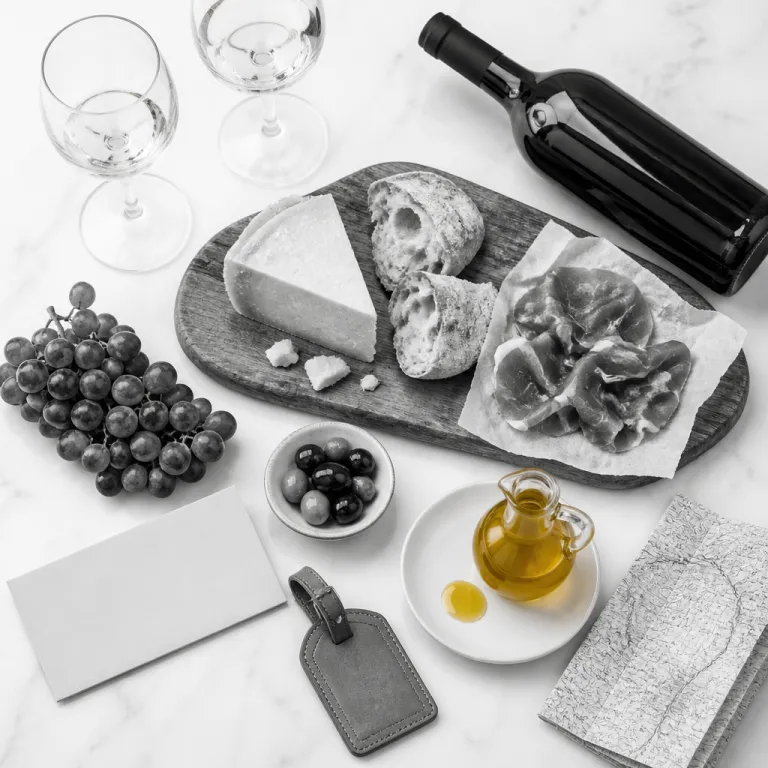
Why tuscany food and wine experiences should shape your hotel choice
Choosing a hotel in Tuscany Italy is not only about the room category or the pool. Your stay will feel completely different if the property is woven into authentic tuscany food and wine experiences that connect you with local producers and landscapes. When you compare options, look for how each place integrates wine tasting, regional food, and contact with Italian hosts rather than just listing generic amenities.
Many travellers arrive from Rome or Milan and underestimate how much time they will spend travelling between their hotel and vineyards for each wine tour. A well located villa or countryside retreat in central Tuscany will reduce driving time to a minimum and give you a better view of the hills, the olive groves, and the medieval villages. When you evaluate details on hotel websites, check distances in kilometres to key areas such as Chianti Classico, San Gimignano, and the main wine tours hubs so that every day feels relaxed instead of rushed.
The region counts hundreds of wineries spread across Tuscany Italy, so you need a clear strategy before you book. Decide whether you want to focus on chianti wine estates, coastal wines near Bolgheri, or the softer landscapes on the eastern side of Tuscany close to the Umbria border. Your final hotel choice will influence which wine tastings, food tours, and cooking class options are realistically accessible during a short stay of only a few day and nights.
Staying among the vines: hotels, villas, and wine estates
For travellers who care about wine and food, sleeping near the vineyards transforms a simple night into a deeper experience. Many estates in Tuscany wine country operate as small hotels or agriturismi, where you can wake up with a view of rows of vines and olive trees instead of a car park. When you choose a villa or country house, confirm whether on site wine tastings and olive oil sampling are available, because that will save you time and add value to your stay.
Properties close to Chianti Classico villages such as Greve, Radda, or Gaiole place you at the heart of tuscany food and wine experiences. From these bases you can join a tasting tour in the morning, enjoy a relaxed lunch of local food, then return to your room within 30 to 40 min without long transfers. Guests who prefer more privacy often book a luxury villa with a pool and then arrange tuscany private wine tours that collect them directly from the gate, turning the entire day into a seamless private wine journey.
On the eastern side of the region, near the soft hills that lead towards Umbria, estates such as Volognano Winery offer wine tastings combined with a hands on cooking class. Here you can learn to prepare Italian dishes, taste italy wine from the estate, and sample extra virgin olive oil pressed from nearby groves in a single integrated experience. One guest described arriving to the smell of baking focaccia, kneading pasta dough while looking out over the vines, then sitting down to a long table where each course was paired with a different tuscany wine from the cellar. When you read booking details, look for packages that combine accommodation, a wine tour, and at least one structured wine tasting, because these often provide better value than arranging each element separately.
Planning your day around wine tours and food experiences
Once your hotel is booked, the next step is to design each day around the most meaningful tuscany food and wine experiences while keeping logistics realistic. A balanced schedule usually includes one structured wine tour or tasting tour, one relaxed meal focused on local food, and some unplanned time to wander a village or enjoy the pool. If you try to fit more than two formal wine tours in a single day, the experience can feel rushed and you will struggle to appreciate each glass.
Specialist operators such as Tuscan Food & Wine Tours organise guided wine tours around Bolgheri and Castagneto Carducci, combining cellar visits with coastal views and tastings of elegant red wines. In Chianti, estates like Mannucci Droandi Winery host wine tastings paired with local foods, which means your wine tasting becomes a complete food wine pairing session rather than just a quick sip at the counter. When you plan, allow at least 90 min for each visit, because walking through vineyards, hearing the story of the estate, and asking questions always takes longer than expected.
Many travellers underestimate driving times on tuscany wine roads, which are scenic but slow. If your hotel is more than 45 min from the main appellations you want to visit, consider booking a tuscany private driver for your wine tour so that you can relax between stops. This is especially relevant if you plan several wine tastings in one day, because a professional driver will manage the route while you focus on the wines, the landscape, and the overall experience.
From chianti classico to san gimignano: choosing your wine focus
Not all tuscany food and wine experiences feel the same, so your hotel location should reflect the style of wines you enjoy most. Chianti Classico, between Florence and Siena, is ideal if you love structured red wines and want easy access to multiple wine tours in a compact area. A hotel or villa here will place you close to both famous estates and smaller family producers, giving you a wide range of wine tasting options within a short drive.
Travellers drawn to white wines and dramatic skylines often prefer to stay near San Gimignano, whose towers rise above vineyards of Vernaccia and olive groves. From a room with a hilltop view you can join a tasting tour that combines the town’s medieval streets with visits to nearby wineries, where crisp whites and fragrant extra virgin olive oil dominate the table. If you split your stay between Chianti and San Gimignano, you will experience both chianti wine traditions and the lighter style of coastal influenced wines in a single trip.
Those curious about the broader region sometimes extend their journey towards eastern Tuscany and neighbouring Umbria, where softer hills and quieter villages offer a slower rhythm. Here, tuscany wine culture blends with Umbrian influences, and you can find intimate food tours that highlight truffles, legumes, and rustic Italian dishes alongside italy wine from lesser known appellations. When you plan such a route, choose hotels that allow one day excursions in each direction, keeping daily driving under 90 min so that the focus remains on the food, the wines, and the people you meet.
Olive oil, cooking classes, and immersive food tours
Wine may be the headline, but the most memorable tuscany food and wine experiences usually involve olive oil and cooking as well. Many estates produce both wine and olive oil, inviting guests to taste their virgin olive and extra virgin olive oils alongside bread, vegetables, and simple dishes that highlight their character. When you book, ask whether the property offers a guided olive oil tasting, because this will deepen your understanding of the landscape beyond the wines.
Hands on cooking class sessions are another powerful way to connect your hotel stay with local culture. At places like Volognano Winery, visitors can join a cooking class that starts in the garden or market, continues in the kitchen, and ends with a shared meal paired with estate wines and italy wine from neighbouring producers. This kind of experience turns a single day into a complete immersion in Italian techniques, from kneading pasta dough to matching sauces with specific tuscany wine styles.
In towns and cities, curated food tours complement rural wine tours by showing how local food traditions play out in everyday life. A morning food tour in Florence or Siena might include coffee bars, bakeries, and market stalls, while an afternoon wine tour focuses on enotecas that pour both chianti classico and Super Tuscan wines by the glass. By alternating structured food tours, relaxed wine tastings, and time at your hotel, you will create a rhythm that feels rich but never exhausting.
Practical details: timing, logistics, and new technologies
Thoughtful planning of practical details will ensure that your tuscany food and wine experiences unfold smoothly from the moment you check in. Always confirm the start time of each tasting tour or wine tour, because some estates only accept visitors at fixed hours and late arrivals may shorten your experience. A good rule is to arrive 10 to 15 min early, giving you time to enjoy the view, settle in, and adjust after the drive.
Many operators now integrate virtual reality elements into their wine tours, allowing guests to visualise harvest scenes or cellar work even when visiting outside the busy season. This innovation can be especially helpful if your stay in Tuscany Italy falls during quieter months, when vineyard activity is limited but you still want a vivid sense of the production cycle. When you read tour descriptions, look for mentions of such tools, as they will add depth to your understanding without extending the total duration of the visit.
Before finalising your hotel, check whether they collaborate with trusted partners such as Tuscan Food & Wine Tours, Volognano Winery, or Mannucci Droandi Winery for curated wine tastings and food wine pairings. Some properties can arrange tuscany private transfers, reserve limited places on popular wine tours, or secure a table at local restaurants that match your taste and budget. Booking tours in advance is a simple step that often determines whether your chosen day unfolds effortlessly or feels like a missed opportunity.
Key figures that frame tuscany food and wine experiences
- Tuscany hosts hundreds of wineries across its hills and valleys, which means hotel guests can access a remarkable diversity of wines within relatively short driving distances according to regional tourism reports.
- The region produces several million hectolitres of wine each year, a volume that underlines why tuscany wine remains central to both the local economy and the travel experience for visitors.
- Many structured wine tastings last between 60 and 90 min, so planning no more than two or three visits per day helps maintain a relaxed pace while still exploring multiple estates.
- Typical transfers between central Chianti Classico villages and nearby wineries range from 15 to 40 min, making these areas particularly convenient bases for guests who want to minimise time in the car.
FAQ: planning tuscany food and wine experiences from your hotel
What is a Super Tuscan wine?
A Super Tuscan wine is generally understood as “a high-quality wine made in Tuscany using non-traditional grape varieties.” These wines often blend international grapes such as Cabernet Sauvignon or Merlot with local varieties, and they usually sit at the higher end of the price range. If Super Tuscans interest you, choose a hotel with easy access to coastal areas like Bolgheri or to specialist enotecas in Florence and Siena.
Are cooking classes suitable for beginners?
Yes, most classes cater to all skill levels. Many estates and schools in Tuscany Italy design their cooking class formats so that both novices and experienced home cooks feel comfortable and engaged. When booking from your hotel, simply mention your level and any preferences so the chef can adapt the pace and complexity.
Do tours accommodate dietary restrictions?
Many tours offer options; confirm in advance. When your hotel concierge or host arranges food tours or wine tours, always specify allergies, intolerances, or preferences such as vegetarian or gluten free. Clear communication at least a few day before the experience allows guides and kitchens to adjust menus without stress.
How far in advance should I reserve wine tastings?
Popular estates in Chianti Classico and around San Gimignano often fill their wine tastings several weeks ahead during peak periods. As soon as your hotel dates are fixed, start reserving at least one tasting tour or wine tour per day, then add extra visits if your schedule allows. This approach ensures you secure key experiences while keeping some flexibility for spontaneous food wine discoveries.
Is it better to self drive or book a private driver for wine tours?
Self driving offers freedom, but narrow tuscany roads and multiple wine tastings can make the day tiring. For guests planning more than two tastings, a tuscany private driver or organised wine tour is usually safer and more relaxing, especially on unfamiliar routes. Many hotels maintain relationships with reliable drivers and can arrange door to door service that lets you focus fully on the wines and the landscape.