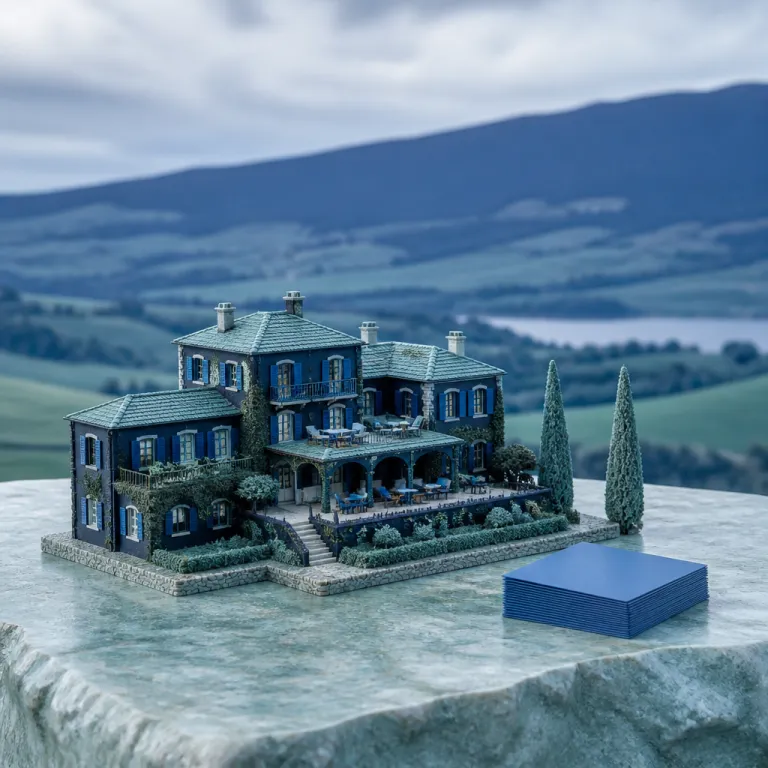
How hotel location shapes tuscany photography spots and views
Choosing the right hotel in Tuscany will quietly transform every photo. When you stay close to the classic Tuscany viewpoints and countryside scenes, you gain precious minutes of soft light and avoid long drives across the Tuscan hills. For serious photographers, the hotel location becomes as strategic as the camera body or lens.
Many travellers book in Florence or Siena and then realise the best Val d’Orcia landscapes are over an hour away by road. From Siena, for example, the drive to Pienza typically takes 1 hour (about 50 km), while Florence to San Quirico d’Orcia is closer to 1 hour 45 minutes. If your main goal is to capture a timeless photo of rolling hills, cypress trees and a lone chapel, you should prioritise a base near Pienza, San Quirico d’Orcia or Castiglione d’Orcia. This central position shortens the time of day you spend commuting and lengthens the time you spend chasing the right light.
The most iconic Tuscany photography spots and views cluster in the southern part of the region. Around the Val d’Orcia you will find agriturismo stays, small hotels and farmhouses that sit directly above the hills you want to photograph. From these properties you can walk or drive a few minutes to a sunrise spot, then return for breakfast before other guests have even left the car park. One local owner near Pienza summed it up simply: “If you can see the fields from your pillow, you will be out there before anyone else.”
Staying near val d’Orcia’s legendary photo spots
The Val d’Orcia is the heartland of Tuscany photography spots and views, and your hotel choice here will define your images. This valley between Pienza, San Quirico and Castiglione d’Orcia offers layered hills, lone farmhouses and cypress lined tracks that look perfect in both photo and memory. A stay in or near these villages keeps you close to the best time and best light for every classic composition.
Properties around Pienza give fast access to Podere Belvedere, one of the most photographed farmhouses in Italy. The main viewpoint sits just east of town at roughly 43.073° N, 11.678° E, beside a small lay-by on the road towards San Quirico. From a hotel or agriturismo on the eastern side of town, you can reach the Podere Belvedere view in minutes at early morning, when mist hangs in the Val d’Orcia and the first light brushes the rolling hills. Later in the time of day, you can return for a sunset photo when the same hills glow gold and the cypress trees cast long shadows.
Near San Quirico d’Orcia and the hamlet of Quirico d’Orcia, staying in an agriturismo places you close to Agriturismo Baccoleno, Poggio Covili and the road to the famous cypress trees. Hotels in Castiglione d’Orcia offer a different angle on the valley, with higher viewpoints and quieter photo spots. Wherever you stay, ask reception for precise GPS coordinates of viewpoints, because local staff often know small lay-bys and tracks that never appear in generic guide best articles. Many will share their own favourite overlooks, sometimes marked only by a lone cypress or a stone shrine at the roadside.
Iconic roads, cypress trees and chapels near your hotel
Many travellers book a hotel in Tuscany specifically to photograph a winding road lined with cypress trees. Around the Val d’Orcia and the Crete Senesi, these roads form the backbone of Tuscany photography spots and views, and they are easiest to capture when you sleep nearby. A well located agriturismo or small hotel will let you reach each spot at the exact time of day when the light is most flattering.
Agriturismo Baccoleno, near the Crete Senesi, is both a place to stay and one of the most recognisable photo spots in Italy. It lies roughly 30 minutes south of Siena, at about 43.217° N, 11.582° E, along a quiet country lane. Guests can step outside at early morning to photograph the S shaped road and cypress trees without rushing to park on a busy roadside. Non guests often rely on GPS coordinates shared online, but staying on site or very close by gives you more time to wait for the best light and a clean, empty road.
Madonna di Vitaleta chapel, often called Madonna Vitaleta, sits between Pienza and San Quirico and rewards those who plan their hotel location carefully. The main access track starts near 43.078° N, 11.641° E, with a short walk to the chapel itself. From a base in Pienza you can walk or drive a short distance, then photograph the chapel and surrounding hills at both sunrise and sunset. The same applies to Poggio Covili, where a straight road of cypress trees leads to a farmhouse, and where a nearby agriturismo or hotel makes repeat visits easy across different times of day.
Balancing city stays and countryside views on your trip to Tuscany
Not every night of your trip to Tuscany needs to be in the countryside, but every photographer should plan at least a few nights near the main Tuscany photography spots and views. A balanced itinerary might combine Florence or Siena with two or three nights in the Val d’Orcia or Crete Senesi. This mix lets you enjoy museums and restaurants while still capturing the rolling hills and cypress lined roads at the best time.
San Gimignano, north of Siena, offers a different style of photo, with medieval towers rising above vineyards and olive groves. Staying in or just outside San Gimignano gives you access to blue hour cityscapes and sunrise views over the Tuscan countryside, which complement your rural Val d’Orcia images. When you return to your hotel after an early morning session, you can still enjoy a relaxed breakfast before exploring the town on foot.
For guests who prefer a single base, Siena can work as a hub for day trips to both the Crete Senesi and the Val d’Orcia. However, this choice means more time on the road and less time waiting for perfect light at each spot or view. Photographers who want a portfolio of varied photo spots should consider splitting their stay between a city hotel and a rural agriturismo to reduce driving and increase creative time. A simple rule is to spend at least one third of your nights within a 20–30 minute drive of your priority viewpoints.
Light, timing and hotel routines for serious photographers
Light and timing matter more than any camera setting when you chase Tuscany photography spots and views. The best time for landscape work in Tuscany is almost always early morning and late afternoon, when the sun sits low and the hills reveal soft contours. As one local guideline states, “Early morning and late afternoon offer optimal lighting.”
When you choose a hotel, ask how early breakfast is served and whether staff will prepare something for you before sunrise. A flexible property near the Val d’Orcia or Crete Senesi allows you to leave before dawn, capture a photo of Podere Belvedere or Agriturismo Baccoleno in first light, then return for coffee once the harsh time of day begins. In the evening, you can rest during midday, then head back out for sunset at Madonna Vitaleta, Poggio Covili or a quiet road lined with cypress trees. Many photographers also build in a short afternoon nap so they can stay out through blue hour without feeling rushed.
Drone photography is increasingly popular around Tuscany, but regulations in Italy are strict and you must respect both privacy and airspace rules. The Italian civil aviation authority, Ente Nazionale Aviazione Civile (ENAC), publishes national requirements for drone pilots, including registration and maximum altitude limits. Many hotels now provide basic advice on local drone restrictions, especially near UNESCO listed landscapes and chapels. Whatever tools you use, your hotel routines should revolve around the best time for light, not around standard tourist schedules that ignore the needs of photographers.
Practical booking tips for hotels near tuscany photography spots and views
When you book a hotel for a photography focused trip to Tuscany, read beyond the marketing phrases and study the map carefully. Look for properties that sit directly within the Val d’Orcia, Crete Senesi or near San Gimignano, rather than vague references to “nearby hills.” Check driving distances to Podere Belvedere, Agriturismo Baccoleno, Poggio Covili, Madonna Vitaleta and other named photo spots, then compare those with your planned time of day for each location.
Contact the hotel in advance and ask whether staff can share GPS coordinates for their favourite viewpoints in the surrounding Tuscan countryside. Many agriturismo owners are used to hosting photographers and will happily point you towards a quiet spot or view that avoids crowds at sunset. Some properties even collaborate with local guides who offer private sessions along the most photogenic road sections, around chapels and across lesser known hills. When you compare options, note whether reception answers with specific times, distances and coordinates, as this usually signals real local knowledge.
Finally, consider seasonality when planning your trip to Tuscany and selecting your base. Spring brings green rolling hills and wildflowers, while late summer and early autumn offer golden fields and clear air over the Val d’Orcia. Winter can bring low mist and occasional frost, especially on higher ridges near Castiglione d’Orcia. Whatever the season, a carefully chosen hotel near the key Tuscany photography spots and views will reward you with images that feel both personal and timeless.
Key figures for planning photography stays in Tuscany
- Tuscany contains seven UNESCO World Heritage Sites, and several of these, including the historic centres of Florence, Siena and San Gimignano, provide urban backdrops that complement rural Val d’Orcia landscapes. The Val d’Orcia itself is recognised as a cultural landscape for the way its fields, villages and farmhouses shape the views photographers seek.
- The region offers photogenic conditions in all four seasons, with spring bringing blooming fields, summer delivering golden landscapes, autumn highlighting harvest scenes and winter creating misty mornings over the hills.
- Regional tourism data and guided tour schedules consistently show that early morning and late afternoon are the most requested time slots for organised photography outings, reflecting the priority photographers place on golden hour light.
- Drone photography and social media sharing are now among the most common tools used by visiting photographers, which makes it essential to choose hotels that can advise on regulations and respectful behaviour. Official information is provided by ENAC for airspace rules, by Regione Toscana for local visitor guidance and by UNESCO for protected landscapes.
FAQ about hotels and photography in Tuscany
What are the best times of day for photography in Tuscany?
The best time for photography in Tuscany is early morning and late afternoon, when the sun is low and the rolling hills show strong yet gentle contours. During these periods, the Val d’Orcia and Crete Senesi offer soft light, long shadows and often a touch of mist. Midday light is usually harsh, so plan hotel routines around dawn and sunset sessions.
Are there photography tours available near val d’Orcia hotels?
Yes, many hotels and agriturismo properties around the Val d’Orcia work with local guides who run dedicated photography tours. These tours often include classic spots such as Podere Belvedere, Agriturismo Baccoleno, Poggio Covili and Madonna Vitaleta. Guided sessions can be especially useful for first time visitors who want a guide best route without spending time scouting alone. Some guides also help with sunrise logistics, suggesting exact departure times from your hotel based on the season.
Is drone photography permitted around Tuscany’s hills and villages?
Drone use in Italy is regulated, and certain areas of Tuscany, including parts of UNESCO landscapes and historic centres, have restrictions. Before flying near hotels, chapels or villages such as Pienza and San Gimignano, you must check national aviation rules and any local bylaws. Many responsible properties will remind guests that drone photography should never disturb residents, livestock or other visitors.
Should I stay in one hotel or move between several bases?
Photographers who want a wide range of Tuscany photography spots and views usually benefit from at least two bases. A city stay in Florence or Siena pairs well with a rural hotel or agriturismo in the Val d’Orcia or Crete Senesi. This split reduces driving time and lets you reach both urban and countryside photo spots at the ideal time of day.
How can I make sure my hotel is close to key photo locations?
Before booking, cross check the hotel address with a map and measure distances to specific locations such as Podere Belvedere, Agriturismo Baccoleno, Poggio Covili and Madonna Vitaleta. Ask the property for estimated driving times at early morning or around sunset, when traffic and road conditions may differ. Hotels that respond with clear directions and precise GPS coordinates usually understand the needs of photographers. If a property can quote approximate coordinates or mention Regione Toscana maps or UNESCO viewpoints, that is an extra sign they know their surroundings well.
Trusted references
- UNESCO World Heritage Centre, listings for cultural landscapes and historic towns in Tuscany, Italy, including the Val d’Orcia and the historic centres of Florence, Siena and San Gimignano.
- Regione Toscana official tourism information on Val d’Orcia, Crete Senesi and San Gimignano, with practical notes on access, seasons and visitor services.
- Ente Nazionale Aviazione Civile (ENAC), regulations for drone operations in Italy, covering pilot registration, altitude limits and restricted zones.