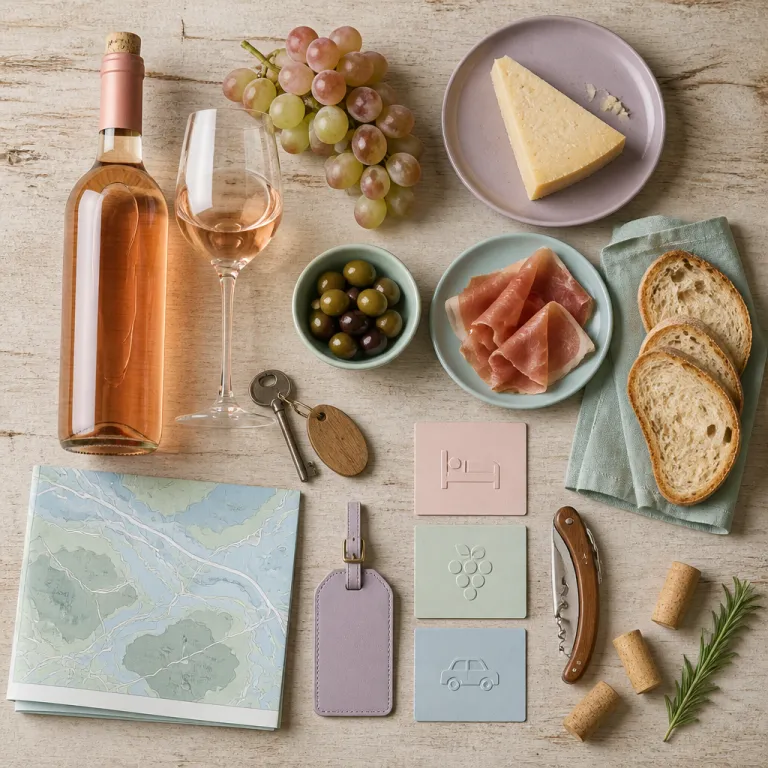
Understanding the Chianti wine region of Tuscany for your stay
The Chianti wine region in Tuscany stretches like a green corridor between Florence and Siena. This historic corner of central Tuscany, Italy, is defined by rolling vineyards, silvery olive groves and stone villages that shape every stay. When you book a hotel here, you are choosing to sleep inside a living wine landscape rather than beside a simple countryside view.
Geographically, the Chianti area forms a broad band that runs roughly along the Florence–Siena axis, with gentle hills rising to around 600 metres and valleys carved by streams such as the Val di Pesa. Within this area lies the Chianti Classico DOCG zone, the historic heart where regulations set by the Consorzio Vino Chianti Classico require Sangiovese to be the dominant grape (at least 80 percent of the blend, and often closer to 90–100 percent in many modern wines). For travellers comparing different parts of Tuscany, this means that a room booked here places you at the centre of Italy’s most regulated and tradition-driven red wine territory.
Chianti wine producers work with local vineyards and wine cooperatives to maintain quality, so the villages where you sleep are closely tied to the cellars you will later visit. Traditional methods such as ageing in oak barrels and blending Sangiovese with other grapes are still widely used, which gives each glass of Chianti wine a clear sense of place. When you choose accommodation in this area, you are effectively choosing which cluster of vineyards, olive groves and historic estates will frame your days and evenings.
Choosing your base between Florence and Siena
Most travellers deciding where to sleep in the Chianti wine region of Tuscany start by choosing between a Florence base, a Siena base or a stay deep in the countryside. The corridor between Florence and Siena is dotted with Tuscan villages such as Greve, Castellina, Radda and San Casciano, each offering a different balance of wine culture, tranquillity and access to cities. Your ideal hotel location depends on how much time you want to spend in vineyards versus Renaissance streets.
Staying closer to Florence suits guests who want easy rail and air connections while still reaching the Chianti hills within about 30 to 45 minutes by car from Santa Maria Novella station or Florence Airport. From a Florence hotel you can join organised wine tours that head south into the wine country, but you will miss the quiet evenings that come with sleeping among the vines. A countryside stay between Florence and Siena, by contrast, allows you to wake to mist over vineyards, walk to a local trattoria and then drive to either city in under an hour for museums or shopping.
Siena offers a different rhythm, with its shell-shaped Piazza del Campo and Gothic architecture giving a medieval counterpoint to the Tuscan hills. Guests who base themselves near Siena often choose hotels around Castellina in Chianti or Radda in Chianti, where the landscape becomes slightly wilder and the roads twist more tightly between vineyards. If you plan several wine tours and wine tasting appointments, a central rural base between Florence and Siena usually reduces driving time and lets you return to your room quickly after long cellar visits.
Key villages and landscapes for hotel stays in Chianti
Greve in Chianti is often the first village travellers encounter when driving south from Florence into the Chianti wine region of Tuscany. The main square in Greve in Chianti is framed by arcades, wine shops and cafés, making it a practical base if you want walking access to restaurants after a day among vineyards. Hotels around Greve place you close to both the Val di Pesa valley and the road that continues towards Castellina in Chianti and Siena.
Further along the Florence–Siena route, Castellina in Chianti sits on a ridge with sweeping views over Tuscan hills, olive groves and Sangiovese vineyards. Many travellers choose accommodation here because it balances access to Florence, Siena and the central Chianti Classico DOCG estates such as Castello di Brolio and Badia a Passignano. From a hotel in this area you can drive to San Casciano, Radda in Chianti or the Val di Pesa in under an hour, making it efficient for independent wine tours.
Radda in Chianti and the surroundings of San Casciano in Val di Pesa feel more secluded, with narrow roads threading between vineyards and forest. Hotels here tend to be set on hilltops or within historic castello complexes, giving guests long views over the Chianti region and its patchwork of vines and olive groves. If your priority is silence, star-filled skies and direct access to local trails through vineyards, these smaller Tuscan villages are often better than staying in Florence or Siena themselves.
Sleeping among vineyards, olive groves and historic castelli
One of the main reasons travellers choose the Chianti wine region of Tuscany over other parts of Italy is the chance to sleep directly among vineyards. Many hotels occupy former farmhouses, monasteries or castello estates that have been carefully restored while keeping stone walls, terracotta floors and views over Sangiovese rows. When you wake here, the first thing you see is often morning light on vines and olive groves rather than a town street.
Historic properties such as Castello di Brolio and Badia a Passignano anchor the Chianti Classico landscape, even if not every castello offers rooms to the public. Around these landmarks you will find hotels that collaborate closely with local Chianti wine producers, arranging private wine tasting sessions, cellar tours and vineyard walks. This direct link between accommodation and wine tours means you can move from your room to a guided tasting of Chianti Classico DOCG wines without long transfers.
Many estates in the Chianti area now follow organic or sustainable viticulture, which shapes both the wines and the guest experience. You may see composting areas, cover crops between vine rows and careful water management, all of which contribute to the character of Chianti wines. For travellers who care about environmental impact, choosing a hotel that works with organic vineyards in areas such as the Val di Pesa, Greve in Chianti or San Casciano adds another layer of meaning to each glass of Chianti enjoyed on the terrace.
Planning wine tastings and tours from your hotel
Staying in the Chianti wine region of Tuscany makes it far easier to plan structured wine tasting days without rushing. From most hotels between Florence and Siena you can reach several Chianti Classico estates within 20 to 30 minutes, allowing time for unhurried visits and lunches. The key is to group wineries by area, focusing one day on the Val di Pesa and San Casciano zone, another on Greve and Castellina in Chianti, and perhaps a third on Radda in Chianti and the hills closer to Siena.
Chianti wine producers typically require reservations for tastings, especially at renowned addresses such as Castello di Brolio or Badia a Passignano, where tours often include cellar visits and walks through vineyards. Many hotels maintain close relationships with local estates and can secure appointments, arrange drivers or suggest balanced itineraries that combine Chianti wines with cultural stops in Tuscan villages. If you prefer not to drive, consider joining small-group wine tours that depart from your hotel or from Florence or Siena, then return you safely after several tastings.
When planning, remember that Chianti Classico DOCG wines are usually based on Sangiovese, sometimes blended with grapes such as Canaiolo or Merlot for structure. Tasting across different parts of the Chianti region reveals how soil, altitude and exposure change the character of Chianti wine from one vineyard to another. By choosing a hotel that sits centrally within the wine region, you reduce travel time and increase the number of meaningful encounters with local winemakers in a single stay.
Practical tips for booking a hotel in Chianti
When you book a hotel in the Chianti wine region of Tuscany, start by deciding whether you want a rural or village setting. Rural properties between Florence and Siena often provide larger grounds, direct vineyard access and quieter nights, while village hotels in places such as Greve or Castellina in Chianti offer easier walking access to restaurants and shops. Both options keep you close to Chianti wines, but the daily rhythm feels very different.
Check how your chosen hotel connects with the wider Chianti region, especially if you plan several wine tours. Some properties offer shuttle services to nearby wineries, while others expect guests to arrive with a car, which is often essential in more remote Tuscan areas such as Radda in Chianti or the hills above the Val di Pesa. If you prefer not to drive, look for hotels that can arrange private drivers for wine tasting days or that sit on main routes used by organised wine tours from Florence and Siena.
Finally, pay attention to seasonal patterns in Tuscany, Italy, because harvest periods and local festivals can affect both availability and pricing. During peak wine season, hotels near landmarks such as Castello di Brolio, Badia a Passignano or San Casciano may fill quickly with guests seeking direct access to vineyards and cellars. Booking early, confirming cancellation policies and asking about on-site Chianti wine experiences will help you secure a stay that matches your expectations in this celebrated wine region.
Key figures about Chianti wine and tourism
- Chianti wine is defined as a red wine from Tuscany primarily made from Sangiovese grapes, which must represent at least 70 percent of the blend for Chianti DOCG and at least 80 percent for Chianti Classico DOCG according to official production rules, a framework that shapes both vineyard planting and the style of wines you will taste during your stay.
- The historic Chianti region lies between Florence and Siena in Tuscany, Italy, creating a compact corridor where most major wine villages can be reached within about one hour’s drive from either city, which is why basing yourself centrally is so efficient for wine tours.
- The Chianti area has seen increased organic wine production in recent years, reflecting a broader shift towards sustainable viticulture that many hotels now highlight through partnerships with local vineyards and eco-focused experiences for guests.
- Global demand for Chianti wines continues to rise, supporting a steady flow of international visitors to Tuscan wine villages such as Greve, Castellina and Radda, where tourism infrastructure has adapted to offer more specialised wine tasting and hospitality services.
FAQ: staying in the Chianti wine region of Tuscany
What is Chianti wine and why does it matter for my stay ?
Chianti wine is a red wine from Tuscany primarily made from Sangiovese grapes, and it is produced across the Chianti region between Florence and Siena. Because vineyards and wineries dominate this landscape, your choice of hotel will often determine which styles of Chianti wines you can reach most easily for tastings. Staying within the Chianti Classico DOCG area places you closest to the historic heart of production.
Where exactly is the Chianti region located between Florence and Siena ?
The Chianti region sits in central Tuscany, Italy, forming a band of hills and valleys between Florence to the north and Siena to the south. Key villages include Greve in Chianti, Castellina in Chianti, Radda in Chianti and San Casciano in Val di Pesa. Booking a hotel in or near these villages keeps you within short driving distance of many major estates.
Do I need a car to enjoy wine tastings in Chianti ?
A car offers the greatest flexibility for exploring the Chianti wine region of Tuscany, especially if you want to visit smaller estates scattered across the countryside. However, many hotels can arrange private drivers or connect you with organised wine tours that handle transport between wineries. If you prefer not to drive, choose accommodation near main routes used by tours from Florence or Siena.
Which villages are best for first time visitors to Chianti ?
Greve in Chianti is an excellent starting point because it sits close to Florence and offers a lively central square with wine shops and restaurants. Castellina in Chianti and Radda in Chianti provide more elevated views and a slightly quieter atmosphere while still giving good access to major Chianti Classico estates. San Casciano and the Val di Pesa area suit travellers seeking a balance between rural calm and proximity to both Florence and Siena.
What types of accommodation can I expect in the Chianti region ?
Accommodation in the Chianti wine region of Tuscany ranges from simple village hotels to restored farmhouses and historic castello estates surrounded by vineyards. Many properties collaborate with local Chianti wine producers to offer on-site tastings, cellar visits or guided walks through vineyards and olive groves. When booking, check whether the hotel focuses on wine experiences, family facilities or wellness, so that the stay aligns with your priorities.
Expert and reference sources
“Chianti is a red wine from Tuscany, primarily made from Sangiovese grapes.” “Chianti is situated between Florence and Siena in Tuscany, Italy.” “Sangiovese is the primary grape, often blended with others like Canaiolo and Merlot.”
- Consorzio Vino Chianti Classico
- Chianti.com
- Regione Toscana tourism board