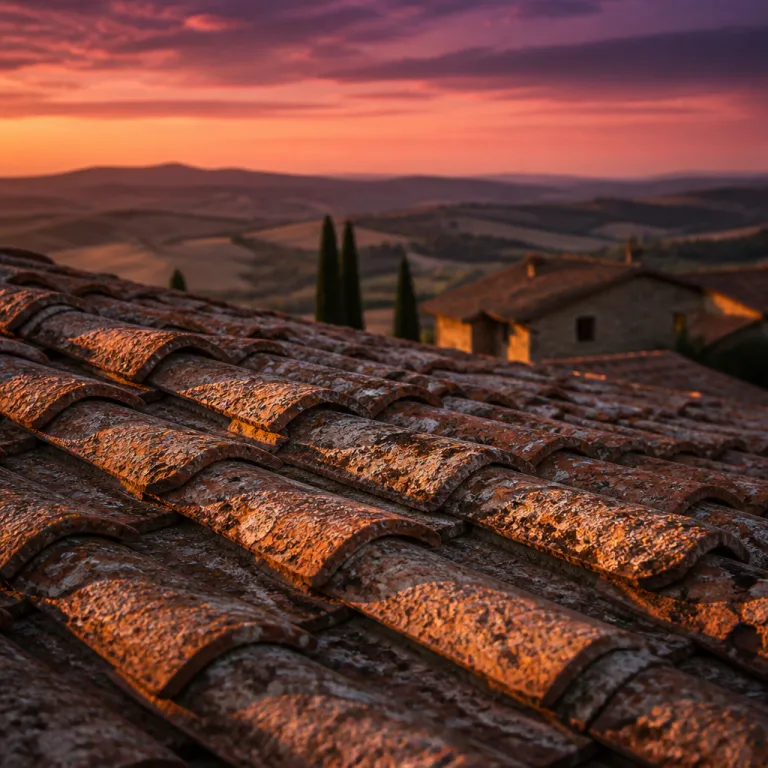
How seasons in Tuscany shape your hotel experience
The best time to visit Tuscany depends on how you like to travel. Each season reshapes the rhythm of the countryside, the mood in Florence, and the way hotels price and package their rooms, so understanding the character of every month helps you secure the best stay. When you plan a trip with clear priorities, you turn a simple visit into a stay that feels perfectly tailored to you.
For many travelers, the overall best time is from April to June and again from September to late October, when Tuscan weather is generally mild and the long days invite slow exploration. This shoulder-season pattern means you can explore the region with fewer crowds than in peak summer, while still enjoying warm afternoons, golden light over vineyards, and hotel rates that are often more flexible. Travel planners and tour operators now use climate summaries from services such as Meteo.it and the Italian Air Force Weather Service, combined with feedback from tourist reviews, to refine when they recommend each season to different types of guests.
Summer from June to late August brings the highest hotel occupancy, especially in Florence and along the coast. During these June, July, and August weeks, the countryside is dry and warm, pools become essential, and you should book your hotel months ahead to secure the best rooms. Winter, by contrast, is quieter and more affordable, which can be the best time for guests who value calm streets, cosy lounges, and generous food and wine experiences over poolside afternoons.
Spring in Tuscany: from March to June for soft light and calmer cities
For many hotel guests, spring is the most balanced season, especially if you value comfort and space. From March through June, average daytime temperatures hover around 15 °C and rise towards the low twenties, so you can explore hill towns and cities without battling either winter chill or the intense summer heat. This is often the best time to visit Tuscany if you want to combine city stays in Florence with countryside escapes in a single trip.
In early spring, fields around Siena and the Val d'Orcia turn a luminous green under golden light, while wildflowers appear along rural lanes and vineyard paths. Hotels in the countryside respond to this season by opening panoramic terraces for breakfast, extending check-out times on sunny days, and curating food-and-wine pairings that highlight fresh artichokes, peas, and young pecorino cheese. Travelers who plan trip dates in this March–May window often secure better-value suites and more attentive service, because staff are less stretched than during July and August.
By late May and June, days become longer and warmer, pools open, and evenings in Florence feel lively but not yet overcrowded. This is a particularly good time to visit for guests who enjoy walking between museums and cafés, then returning to a hotel with a quiet garden or small spa. If you are sensitive to heat yet still want a combination of warm weather, manageable crowds, and strong food and wine offerings, late spring in Tuscany is hard to beat.
Summer in Tuscany: when heat, crowds, and festivals peak
Choosing summer for your visit means embracing energy, heat, and busy hotel lobbies. From late June through July and August, Tuscan weather is typically hot, with average daytime maximum temperatures around 30–32 °C and higher peaks during heatwaves, so air conditioning and shaded outdoor spaces become essential hotel features. This is not always the best time to visit Tuscany for every traveler, but it can be ideal if you love long days by the pool and lively evenings in historic squares.
In Florence, museums extend opening hours on some days, rooftop bars host sunset events, and hotels near the Arno River often sell out first because guests seek any hint of a breeze. Coastal resorts and countryside retreats with large pools see intense demand in this season, especially in August when many Italians also travel, so you should plan trip details early and secure cancellable rates where possible. Travelers who come in high summer often accept higher prices in exchange for guaranteed sunshine, festival calendars such as the Palio di Siena in July and August, and the freedom to dine outdoors every night.
June can feel slightly gentler than peak July and August, making it a compromise month for those who want a summer atmosphere without the most extreme crowds. In rural areas, golden light falls later in the evening over vineyards and sunflower fields, creating memorable views from hotel terraces and restaurant verandas. If you choose this time to visit, look for properties that offer shaded parking, thick stone walls, and flexible breakfast hours, because hot mornings can make early starts less appealing.
Autumn in Tuscany: wine, harvest colours, and atmospheric hotel stays
For travelers who prioritise food-and-wine experiences and vineyard landscapes, autumn is often the best time to visit Tuscany. From September through October and into early November, the countryside shifts from green to russet, and the golden light over olive groves and cypress avenues becomes softer and more dramatic. Many guests find that this season offers the most romantic atmosphere for a hotel stay, especially in rural estates and wine resorts.
During September and October, grape harvests take place across Chianti, Montalcino, and Montepulciano, and hotels collaborate with nearby wineries to offer tastings, cellar tours, and harvest-themed dinners. One expert summary captures the appeal clearly: "What activities are popular in Tuscany during autumn?" and the answer is precise and relevant for hotel guests who love gastronomy and landscapes: "Wine tasting and enjoying the grape harvest season." This is also a comfortable time to visit for exploring Florence and Siena, because temperatures are usually warm but not oppressive, and queues at major sights shorten compared with July and August.
By late October and into November, roasted chestnuts appear at street stalls and on hotel menus, pairing beautifully with local red wine in lounge bars and by open fireplaces. This late-autumn and early-November period can be the best time for value, as room rates often soften while the countryside still looks beautiful under low golden light. If you plan trip dates in this window, you can focus on slow meals, cellar visits, and quiet afternoons in spa areas rather than poolside activity.
Winter in Tuscany: quiet cities, cosy lounges, and value for money
Winter offers a very different kind of stay, one that suits travelers who prefer calm streets and intimate hotel atmospheres. Average air temperatures sit around 5 °C in January according to regional climate summaries, and the weather can be damp or crisp depending on the month, so the best time to visit Tuscany in this season depends on how you feel about cold air and early sunsets. For many guests, the appeal lies in being able to explore museums and villages without crowds, then retreat to a warm lounge with a glass of wine and a plate of regional food.
In Florence, museums, churches, and artisan workshops remain open, but queues are shorter and hotel staff have more time to personalise recommendations for each visit. City properties often enhance their winter offering with afternoon tea, small spa rituals, and seasonal menus that highlight hearty food-and-wine pairings such as ribollita, game dishes, and rich desserts. Roasted chestnuts sold on street corners add a nostalgic aroma to evening walks, and some hotels will happily plate them as a simple snack with a glass of vin santo.
In the countryside, some smaller properties close for part of the winter season, but those that stay open usually offer excellent value and a slower rhythm. This can be the best time to visit for guests who want to read by a fireplace, book longer spa treatments, or use their hotel as a base for day trips to hill towns without parking stress. If you plan trip dates in winter, focus on properties with strong heating, good insulation, and on-site dining, because driving out at night for food in rural areas can feel less appealing in cold weather.
How to match your hotel booking strategy to the best time to visit Tuscany
Once you understand how each season feels on the ground, you can align your hotel choices with the best time to visit Tuscany for your style. Travelers who value mild temperatures, long days, and balanced crowds usually find that spring and early September offer the best mix of comfort and atmosphere. Those who crave heat, pool time, and festival energy often decide that summer, especially June and early July, is their ideal moment despite higher prices.
When you plan trip details, start by deciding whether your priority is city culture, countryside relaxation, or food-and-wine experiences, because each focus aligns with a different month. For example, Florence city breaks pair beautifully with winter and early March, while vineyard stays and agritourism properties shine in September and October under golden light and during harvest events. Coastal and pool-centred resorts, by contrast, are most appealing from late May through August, when warm evenings and predictable weather justify the premium rates.
Whatever your choice, book accommodations three to six months in advance for peak periods and remain flexible in shoulder seasons to capture last-minute offers. Use online travel resources, official tourism-board updates, and short-range weather forecasts to refine your dates, then speak directly with hospitality services or travel agencies to confirm how each month feels in their specific area. By treating the best time to visit Tuscany as a strategic decision rather than a guess, you give yourself the best chance of a stay that feels both memorable and perfectly timed.
Key figures to help choose the best time to visit Tuscany
- Average spring temperature in Tuscany is about 15 °C, rising towards 24 °C on warmer days, which makes March–May one of the most comfortable periods for walking city tours and countryside hikes (based on regional climate data from the Italian Air Force Weather Service and Meteo.it).
- Average summer daytime maximum temperature in Tuscany reaches around 30–32 °C, so guests who visit in July and August should prioritise hotels with strong air conditioning, shaded outdoor areas, and access to pools (Italian Air Force Weather Service).
- Average winter air temperature in Tuscany is close to 5 °C in lowland areas, which explains why winter stays often focus on indoor amenities such as spas, fireplaces, and on-site restaurants rather than pool facilities (Italian National Institute of Statistics).
- The most recommended windows for a balanced seasonal experience are April to June and September to October, when travelers can enjoy long days, relatively warm weather, and more moderate hotel prices compared with peak August.
- Growing interest in off-season travel and agritourism means that September and winter months now offer more curated food, wine, and harvest-themed hotel packages than in the past, especially in the countryside.
FAQ about the best time to visit Tuscany for hotel stays
What is the weather like in Tuscany during spring?
Mild daytime temperatures around 15–24 °C with blooming landscapes, according to regional climate reports. This makes spring an excellent time to visit for guests who want to combine Florence museums with countryside drives under golden light. Hotels often open terraces and gardens in this season, creating elegant outdoor spaces for breakfast and aperitivo.
Are there many tourists in Tuscany during summer?
Yes, summer sees peak tourist crowds and higher prices. In July and August, Florence, coastal towns, and popular countryside resorts experience very high occupancy, so the best time to visit in this season is often early June before the busiest weeks. Travelers who come in high summer should book hotels well in advance and expect a lively, energetic atmosphere.
What activities are popular in Tuscany during autumn?
Wine tasting and enjoying the grape harvest season. During September and October, many hotels partner with wineries to offer cellar tours, vineyard walks, and special food-and-wine dinners that celebrate local produce. This is often considered the best time to visit for guests who prioritise gastronomy, scenery, and a calmer pace in both cities and countryside.
Is winter a good time to visit Tuscany for a hotel stay?
Winter can be an excellent choice if you value quiet streets, lower room rates, and cosy hotel atmospheres. With average temperatures around 5 °C, the best time to visit in this season is when you want to focus on museums, indoor food experiences, and spa facilities rather than outdoor pools. Many travelers appreciate being able to explore without queues, then return to lounges with fireplaces, roasted chestnuts, and generous glasses of local wine.
Which months offer the best balance of price and experience for hotels?
The months that usually offer the best balance are April, May, early June, September, October, and early November. During these periods, the weather is generally warm enough for comfortable sightseeing, but hotel prices are often lower than in peak August and availability is better. If you plan trip dates in these shoulder seasons, you can often secure upgraded rooms or added-value services while still enjoying long days and rich cultural calendars.