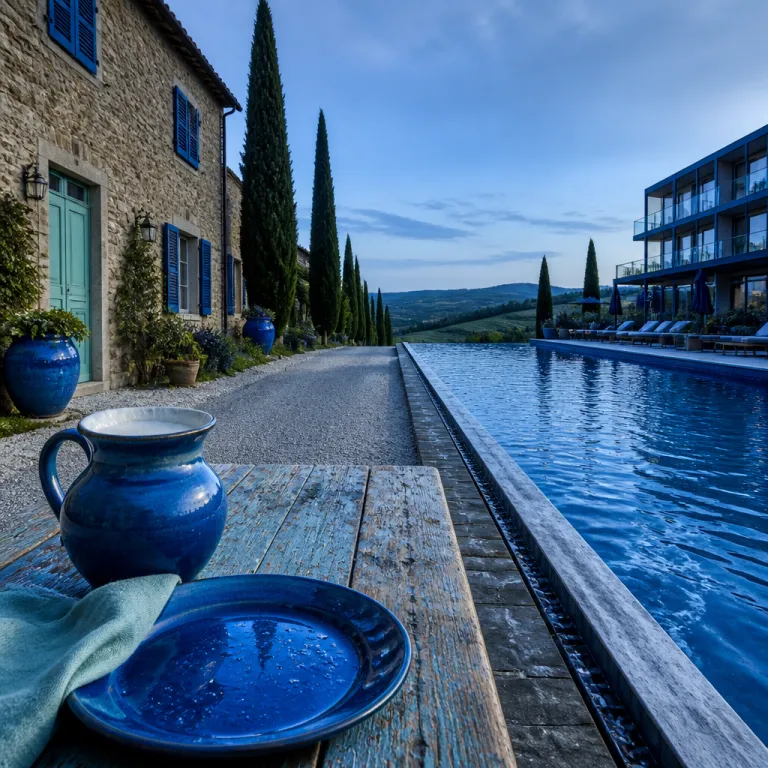
Why tuscany agriturismo stays appeal to hotel seekers
Many travellers who start by searching for the best hotel in Tuscany italy end up captivated by the quieter charm of agriturismo stays on a working farm. A traditional agriturismo in tuscany is a certified farmhouse property where hospitality is combined with agriculture, so your stay directly supports rural families and preserves the Tuscan countryside. For guests used to city hotels in Florence or San Gimignano, the slower rhythm of a farm stay can feel like a luxury in itself, with birdsong at breakfast instead of traffic outside the window.
Across Tuscany there are hundreds of agriturismo properties, from simple family friendly farms with a small pool to refined wine estates with elegant apartments and a panoramic swimming pool. Official figures published on agriturismi.it indicate that there are 672 agriturismo establishments in Tuscany (consulted 2024, regional statistics section), which means choice is abundant yet quality varies, so identifying the best agriturismo for your needs requires a clear sense of priorities. Some travellers want a quiet stay focused on wine tasting and olive oil, while others need a family friendly base with space for kids to roam safely between olive groves and vineyards and a short drive, often 5–15 minutes, to the nearest village.
Hosts such as Agriturismo Belagaggio, Agriturismo Mormoraia near San Gimignano, and Podere Campriano in Greve in Chianti illustrate how diverse tuscany agriturismo stays can be. One working farm might specialise in organic olive production and cooking classes, while another Tuscan farmhouse focuses on Chianti wine and truffle hunting in nearby woods. A guest at Podere Campriano, for example, might start the day with breakfast overlooking the family vineyards before joining a small group tasting in the cellar and later walking 10 minutes into town for dinner. When you compare these options with a conventional hotel in tuscany italy, the key difference is that agriturismo tuscany experiences are built around land, seasonality, and the daily life of the farm family rather than a purely service based environment.
How agriturismo tuscany evolved beyond simple farm stays
Early agriturismo in Italy was often basic, with rustic rooms inside a farmhouse and very few amenities beyond hearty food and a place to sleep. Over time, rising demand from international guests seeking the best balance between comfort and authenticity has pushed many tuscany agriturismo properties to upgrade facilities while keeping their working farm identity. Today you will find renovated apartments, refined self catering apartments, and landscaped gardens with a swimming pool, yet the core remains the same Tuscan countryside lifestyle and a requirement to maintain active agricultural production.
In areas such as Chianti, San Casciano, and the hills between Florence and San Gimignano, wine estates have embraced the agriturismo tuscany model to welcome guests directly on the farm. A stay at a place like Podere Campriano in Greve in Chianti typically combines vineyard walks, cellar visits, and structured wine tasting with relaxed afternoons by the pool overlooking olive groves. At Agriturismo Mormoraia, a former monastery outside San Gimignano, guests often split their days between the panoramic pool, the estate’s tasting room, and short drives into nearby hill towns. This evolution means that a farm stay can now rival the best rural hotels in comfort, while offering deeper contact with tuscany italy traditions and everyday agricultural work.
The trend extends beyond wine, as many a Tuscan working farm now offers immersive activities such as a hands on cooking class, seasonal truffle hunting, and guided tours of olive oil production. Agriturismo Belagaggio, for example, is known for welcoming families and kids into daily farm routines, which turns a simple stay into an educational experience where children might help collect eggs or watch cheese being made in a small dairy room. As a result, agriturismo tuscany stays have become a sophisticated category of hospitality where the property is both your accommodation and your gateway to rural culture, with prices that can range from simple rooms to higher end suites depending on services.
Choosing the right tuscany agriturismo for your family
Travellers comparing hotels and tuscany agriturismo stays often start with one key question, which is how family friendly the property really is. A genuine family friendly agriturismo in tuscany will usually be a working farm where owners live on site, know the land intimately, and understand what kids need to feel safe and engaged. Look for clear information about fenced gardens, a shallow area in the pool, and flexible meal times that suit younger guests, as well as basic items such as high chairs and baby cots.
For families, the best agriturismo choice is often a farmhouse divided into self contained apartments, sometimes described as catering apartments, which give you a kitchen and more privacy than a standard hotel room. These apartments on a Tuscan farm allow you to prepare simple meals with local olive oil, fresh vegetables, and wine from the estate, while still enjoying shared spaces such as the swimming pool and play areas. When reading descriptions, check whether the stay includes access to farm animals, short walks through olive groves, and informal cooking classes tailored to kids, plus how far you will need to drive to reach supermarkets and pharmacies.
Hosts like Agriturismo Belagaggio specialise in immersive farm stay experiences for families, while Agriturismo Mormoraia near San Gimignano offers a more refined yet still family friendly environment with a large pool and extensive grounds. One family review of Belagaggio mentions children running between the playground and the vegetable garden while grandparents relaxed on the terrace, a pattern that suits multi generational trips and mixed age groups. If you are travelling with extended family, consider booking multiple apartments on the same property so grandparents can relax while parents join a cooking class or wine tasting. In every case, communicate directly with the agriturismo tuscany host about your family needs, from baby cots to dietary preferences, because these are small operations where personal contact shapes the quality of your stay.
Where tuscany agriturismo stays shine for food and wine lovers
For travellers who might otherwise book a wine resort hotel, tuscany agriturismo stays offer a more intimate way to explore regional flavours. Many agriturismo properties in Chianti, San Casciano, and Greve in Chianti are family run wine estates where your stay includes vineyard views, cellar visits, and structured wine tasting. On these farms, the same family that tends the vines often hosts guests at long tables, pairing home cooked dishes with their own Tuscan wine and olive oil and explaining vintages in person.
Cooking classes are a defining feature of the best agriturismo experiences for food focused travellers, because they turn local ingredients into memories you can recreate at home. A typical cooking class on a Tuscan farm might start with a walk through the vegetable garden and olive groves, followed by hands on preparation of fresh pasta, seasonal sauces, and simple desserts. Some agriturismo hosts also organise truffle hunting excursions in the surrounding countryside, which can be combined with a tasting menu back at the farmhouse or a guided olive oil tasting.
Properties such as Podere Campriano in Greve in Chianti specialise in wine centred stays, while Agriturismo Mormoraia near San Gimignano balances wine, food, and landscape with its panoramic pool and manicured grounds. Even smaller farms, sometimes with just a few apartments, often produce their own olive oil and table wine, giving you the chance to taste products that rarely leave tuscany italy or appear in international shops. When you compare this to a conventional hotel stay, the difference is that every meal, every glass of wine, and every walk through the Tuscan countryside is rooted in the daily life of the farm and the people who cultivate it.
Planning your stay across tuscan countryside regions
Location is crucial when choosing between hotels and tuscany agriturismo stays, because driving times in the Tuscan countryside can be longer than they appear on a map. If you want to combine city visits with rural calm, consider an agriturismo near Florence or San Casciano, which allows easy day trips to museums while you sleep on a quiet farm. Travellers focused on medieval hill towns might prefer a farmhouse between San Gimignano and Chianti, where vineyards and olive groves surround every property and most attractions are within 30–60 minutes by car.
For those planning a longer stay, it can be wise to split time between two different agriturismo tuscany regions, such as a working farm in Greve in Chianti and another near the coast or in southern Tuscany. This approach lets you experience varied landscapes, from the classic rolling hills to wilder countryside, while keeping driving distances manageable for kids and older family members. To decide when to travel, consult a detailed guide to the best time to visit Tuscany for hotels, seasons, weather, and booking tips, which helps align your farm stay with harvests, festivals, and milder temperatures.
Remember that many agriturismo properties in tuscany italy are small, with only a handful of apartments or rooms, so early booking is essential during peak seasons. Check in is usually in the afternoon and check out in the morning, which matters if you are coordinating multiple stays across different parts of the Tuscan countryside. Before confirming, ask the host about road access, parking, and the nearest village services, because a remote farm stay can feel magical as long as you understand the practicalities and are comfortable driving on narrow country lanes.
Practical tips to get the best from tuscany agriturismo stays
Once you have chosen between a hotel and an agriturismo in tuscany, a few practical steps will help you make the most of your stay. Book in advance, learn a handful of Italian phrases, and rent a car, because public transport rarely reaches the heart of the Tuscan countryside. Direct booking through the property website or by email often gives you clearer information about farm activities, from cooking classes to truffle hunting and wine tasting, and allows you to ask detailed questions.
Pack for a rural environment, which means comfortable shoes for walking between olive groves, a swimsuit for the pool, and layers for cooler evenings on the farm. Families with kids should bring simple outdoor games, as many family friendly agriturismo properties encourage children to play outside rather than rely on screens. If you are staying in catering apartments with a kitchen, plan a first grocery stop in a nearby town so you can enjoy breakfast on your terrace overlooking the farmhouse and fields and avoid rushing out early the next morning.
During your stay, respect that you are on a working farm, where tractors, animals, and seasonal tasks shape the rhythm of each day. Ask before entering olive groves or vineyard rows, follow pool rules carefully, and treat the property as you would a private home, because in many cases it is exactly that. As one local explanation puts it, “What is an agriturismo? A farm offering lodging and local experiences. Are meals included in agriturismo stays? Often, featuring farm produced ingredients. Do agriturismos offer activities? Yes, like cooking classes and wine tasting.”
Key figures shaping agriturismo stays in tuscany
- There are 672 registered agriturismo establishments in Tuscany, a scale that gives travellers wide choice while still allowing for intimate, small scale properties compared with the hotel sector (source agriturismi.it, regional statistics section, consulted 2024).
- Agriturismo stays in tuscany operate year round, but many properties concentrate their busiest periods between late spring and early autumn, when pools are open and farm activities such as harvests are most visible to guests.
- The region of Tuscany in italy coordinates agriturismo regulations to ensure that each property maintains an active agricultural component, which distinguishes a true farm stay from a simple rural guesthouse and protects the meaning of the term.
- Growing demand for authentic experiences and sustainable tourism has led to a steady increase in agriturismo bookings across Tuscany, reinforcing the role of these farms in preserving rural heritage and supporting local economies through direct spending.
FAQ about tuscany agriturismo stays
What is an agriturismo in tuscany compared with a hotel
An agriturismo in tuscany is a working farm that offers lodging and local experiences, while a hotel is primarily an accommodation business without an agricultural component. On a farm stay you are hosted by a family involved in agriculture, often with on site production of wine, olive oil, or other products. This means your stay is closely tied to the land, seasons, and rural traditions of tuscany italy, rather than a purely commercial setting.
Are meals usually included in tuscany agriturismo stays
Many agriturismo properties in tuscany offer breakfast and at least some dinners, often based on farm produced ingredients such as vegetables, meat, wine, and olive oil. Some provide half board, while others organise communal dinners on selected evenings, leaving guests free to explore local restaurants on other nights. Self catering apartments are common, so you can combine meals cooked in your kitchen with occasional farmhouse dinners and tastings.
Do agriturismo properties offer activities for kids and families
Family friendly agriturismo stays in tuscany typically include outdoor space, a pool, and informal contact with animals, which makes them appealing for kids. Many farms organise simple activities such as feeding animals, short walks through olive groves, and basic cooking classes suitable for children. When booking, ask the host which activities are available for different ages, so you can match the property to your family needs and expectations.
How do I reach a tuscan agriturismo without a car
Some agriturismo properties near Florence, San Gimignano, or Chianti can be reached by a combination of train or bus and a short taxi ride, but many rural farms are not well served by public transport. Renting a car remains the most practical option for exploring the Tuscan countryside and moving between villages, vineyards, and your farmhouse. If you prefer not to drive, choose a property close to a town and confirm transfer options directly with the host.
When is the best time to book a farm stay in tuscany
The most popular periods for tuscany agriturismo stays are late spring, summer, and the early autumn harvest season, when pools are open and farm activities are in full swing. To secure the best agriturismo options, especially for larger families or groups, it is wise to book several months in advance. Travellers seeking quieter stays and lower rates often choose shoulder seasons, when the Tuscan countryside is still beautiful but less crowded and temperatures are milder.
Trusted references for further research
- Agriturismi.it, official directory and statistics for agriturismo properties in Tuscany and across Italy, including the figure of 672 registered establishments in the region (regional statistics consulted 2024).
- Tuscany regional tourism board publications on agriturismo regulations, rural development, and sustainable tourism initiatives, which explain how farm stays are certified and monitored.
- Italian Ministry of Agriculture resources on the legal framework and economic impact of agriturismo nationwide, outlining how agriturismo supports farmers and complements the hotel sector.