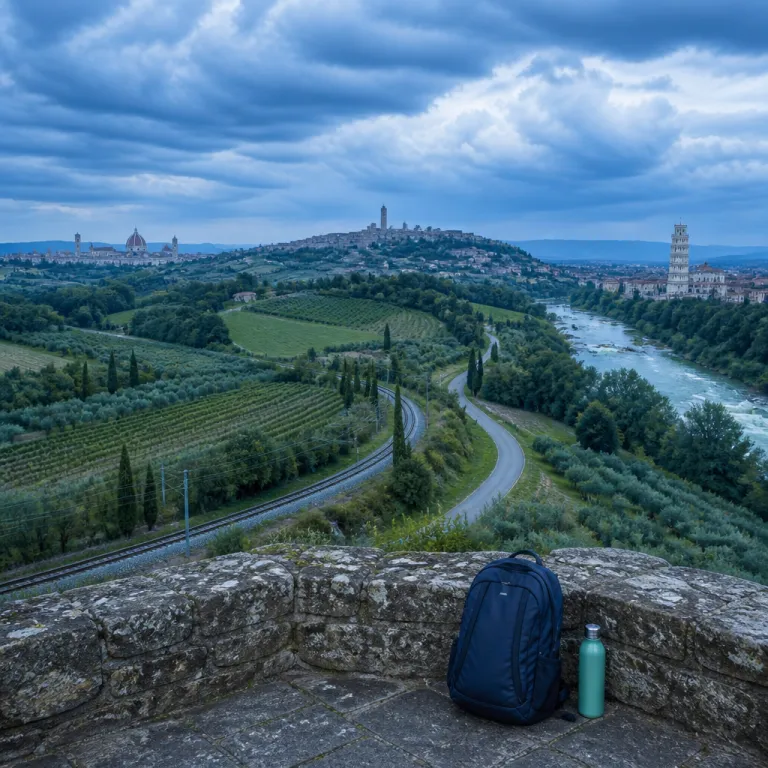
Planning your trip to Tuscany Italy on a realistic budget
Smart budget travel tips for Tuscany start long before your flight to Italy. When you plan your trip Tuscany itinerary, decide how many days you truly need in each city and countryside area, because every extra night quietly increases your overall cost. Aim for five to seven days in Florence and Tuscany combined if you want a balanced stay that includes at least one day trip to Siena, Pisa, or San Gimignano without rushing.
Local tourism boards and regional booking data consistently note that April to June and September to October are the best months to visit Tuscany Italy on a budget, with softer light over the rolling hills and noticeably lower hotel prices than in the hottest weeks of summer. The official Visit Tuscany site and ENIT guidance echo one verified guideline: "April–June and September–October offer lower prices and fewer crowds." Build your trip around these shoulder seasons and you will usually find better value in Florence, Siena, Pisa, and smaller Tuscan towns, especially if you book accommodation and trains several weeks in advance.
For most budget travelers, an average daily budget of about 70 US dollars per person is realistic in Tuscany when you combine modest hotels with simple Italian meals and public transport between city hubs. Trenitalia regional tickets between major Tuscan cities often cost under 15 euros each way for second class, a dorm bed in Florence can be around 30 euros per night, and a filling pizza or street food meal often stays near 12 US dollars, which keeps your budget under control if you avoid constant restaurant splurges. As a sample, a day might include 30 euros for a hostel bed, 20 euros for food, 10 to 15 euros for local transport, and a small cushion for gelato or museum entries. Use travel apps or the Trenitalia timetable to track prices across several days, then lock in flexible rates for Florence Tuscany stays and any prebooked day trip you know you will not want to miss.
Choosing where to sleep in Florence, Siena, Pisa, and the Tuscan countryside
Where you sleep in Tuscany, whether in Florence or Siena, can easily become the largest single cost of your trip, so location and style matter more than thread count. In Florence city centre, staying within a 10 to 15 minute walk of Santa Maria del Fiore cathedral usually costs more, but you can reduce the overall cost by choosing simpler rooms and skipping extras like paid breakfast when there is a café on every corner. In Siena, look just beyond Piazza del Campo for guesthouses and family run B and B properties that offer quieter nights and lower prices than the most famous square itself.
Travelers who dream of rolling hills and a classic Tuscan farmhouse should consider agriturismo stays, which are working farms that rent rooms and often serve home cooked Italian dinners and their own red wine. These agriturismos around San Gimignano, between Florence and Siena, or near Pisa can be surprisingly affordable if you stay several days and arrive by car, sharing the cost with friends or family. Many agriturismos include free parking and sometimes a simple breakfast, which helps your budget travel tips for Tuscany strategy by reducing both food and transport expenses.
Hostels and budget hotels in the Florence Tuscany and Siena–Pisa corridors often provide private rooms alongside dorms, giving couples or small groups a chance to sleep well without paying luxury rates. When you compare options, check whether city tax is included, whether there is air conditioning for hot days, and how close the property is to a tram or bus stop for easy public transport access. In smaller Tuscan towns such as San Gimignano or Volterra, rooms may not appear on every global platform, so it can be worth checking local tourism websites or calling directly to negotiate a better rate for multi day stays.
Getting around Tuscany: car versus public transport for budget travelers
Moving between Florence, Siena, Pisa, and the wider Tuscan countryside is where many travelers either protect or destroy their budget. Trains and buses form a reliable public transport network between major city hubs, and for most first time visitors they are the best value option for a trip Tuscany itinerary focused on Florence and nearby historic towns. A regional train from Florence to Pisa or Siena is usually inexpensive and takes about one and a half hours or less, and if you plan your days Florence schedule carefully you can fit a full day trip into one return ticket.
Renting a car in Tuscany Italy gives you freedom to explore remote villages and rolling hills, but the cost of fuel, tolls, and parking can rise quickly. If you choose a car, try to share it over several car days with friends, and base yourself in a smaller Tuscan town where parking is free or cheap rather than inside Florence city centre, where restricted traffic zones carry heavy fines. A smart compromise is to rely on public transport while in Florence Tuscany, then rent a car only for two or three car days dedicated to a focused road trip through Chianti, Val d'Orcia, or the area around San Gimignano.
For pure budget travel tips for Tuscany, I usually recommend regional trains between Florence and Siena or Pisa, then local buses for shorter hops to hill towns. This approach keeps your transport cost predictable and leaves more money for Italian food, wine tasting, or an extra night in a charming Tuscan farmhouse. Always check the last return bus or train of the day on the official timetable, because missing it can turn a cheap day trip into an expensive taxi ride back to your hotel.
Eating and drinking well in Tuscany without overspending
Food and wine are central to any trip Tuscany experience, yet they do not have to break your budget if you eat like a local. In Florence, Siena, and Pisa, look for lunch menus in simple trattorias a few streets away from the main Piazza del Duomo or Piazza del Campo, where prices drop and portions often grow. Many restaurants offer a fixed price lunch that includes a pasta dish, water, and sometimes a glass of house red wine for a fraction of what you would pay at dinner.
Local markets are a cornerstone of budget travel tips for Tuscany, because they let you assemble picnics with fresh Tuscan bread, cheese, cured meats, and seasonal fruit for a few euros. In Florence city, Mercato Centrale is ideal for browsing stalls, then taking your finds to a quiet square near Santa Maria del Fiore or along the Arno for a free view and a low cost meal. Similar markets in Siena and Pisa give you the same Italian flavours without the service charge that comes with sitting at a café table in the busiest tourist streets.
Wine tasting in Tuscany Italy can be either a luxury splurge or a surprisingly affordable pleasure, depending on how you plan it. Instead of booking only high end tours, consider visiting a small winery near San Gimignano or in the Chianti area as part of a self guided road trip, where a tasting of two or three red wines may cost less than a single cocktail in Florence. In the evenings, join locals at wine bars that serve a glass of Tuscan red wine with free snacks or a modest aperitivo buffet, which can double as a light dinner and keep your overall budget firmly under control.
Designing smart day trips from Florence, Siena, and Pisa
Thoughtful day trip planning lets you see more of Tuscany while still sleeping in one main base, which usually reduces both accommodation cost and logistical stress. From Florence city, classic budget friendly day trips include Pisa for the Leaning Tower, Siena for medieval streets and the shell shaped Piazza del Campo, and San Gimignano for its towers rising above the surrounding rolling hills. By grouping Florence–Siena and Siena–Pisa journeys on consecutive days, you can sometimes use regional train passes or multi day bus tickets to save money.
San Gimignano, often called the medieval Manhattan of Tuscany Italy, works beautifully as either a stand alone day trip or a stop on a longer road trip that links Florence Tuscany with the Chianti vineyards. Buses connect San Gimignano with both Siena and Florence, so you do not need a car to enjoy its stone lanes, panoramic viewpoints, and excellent gelato, which makes it ideal for budget travelers who rely on public transport. If you do have a car, consider planning your car days to include nearby wineries for informal wine tasting, then return to your main base before nightfall to avoid driving unfamiliar Tuscan roads in the dark.
When you design your days Florence schedule, avoid packing too many long excursions back to back, because fatigue leads to expensive shortcuts like taxis or last minute restaurant splurges. Instead, alternate one intense day trip with a slower day in the city, perhaps visiting Santa Maria del Fiore in the morning, then enjoying free walks through Oltrarno or along the Arno in the afternoon. This rhythm keeps your budget travel tips for Tuscany strategy sustainable, while still allowing you to experience the best of both city life and countryside charm.
Free and low cost experiences that make Tuscany unforgettable
Some of the best memories in Tuscany cost nothing at all, which is excellent news when you are watching every euro. In Florence, you can spend an entire day wandering from Santa Maria del Fiore to the riverside, crossing Ponte Vecchio, and climbing to Piazzale Michelangelo for a free sunset view over the city and its terracotta roofs. Many churches in Florence Tuscany and Siena or Pisa either have no entry fee or ask only a small donation, giving you access to centuries of Italian art without the price tag of the major museums.
In Siena, simply sitting on the warm stones of Piazza del Campo with a takeaway coffee or gelato is a classic Tuscan experience that costs almost nothing. The same is true in Pisa, where the grassy area around the cathedral complex lets you admire the Leaning Tower and the marble façade of Santa Maria Assunta without paying to climb anything, which is ideal on a tight budget. Smaller towns such as San Gimignano offer free viewpoints over rolling hills, and wandering their lanes at the golden hour can be more rewarding than any paid attraction.
Outside the main city centres, countryside walks and short hikes are another cornerstone of budget travel tips for Tuscany, especially if you are staying on a farm or in a rural guesthouse. Ask your host for local paths that pass vineyards, olive groves, and cypress lined lanes, then plan a simple picnic with Tuscan bread, cheese, and a bottle of affordable red wine from a nearby shop. These slow days balance the intensity of museum visits and structured wine tasting tours, helping you sleep well, spend less, and still feel deeply connected to Tuscany Italy and its landscapes.
Key figures for budget travel in Tuscany
- An average daily budget of about 70 US dollars per person allows most budget travelers to cover accommodation, meals, and public transport in Tuscany, according to TripCostPro data and cross checks with ISTAT tourism spending averages, which makes the region accessible if you plan carefully.
- A hostel dormitory bed in Florence typically costs around 30 euros per night, based on figures from Machupicchu.org and recent booking platform samples, so sharing a room with friends can significantly reduce your overall trip Tuscany accommodation cost.
- A simple budget meal or street food option in Tuscany Italy averages about 12 US dollars, as reported by Tripbase and supported by mid range price data from the Italian National Institute of Statistics, which means that choosing markets and pizzerias over formal restaurants can cut your food spending by half.
- Travelers who visit during the shoulder seasons of April to June and September to October often see lower prices for hotels and flights compared with peak summer, while also enjoying fewer crowds in Florence, Siena, and Pisa.
- Using regional trains and buses as your primary public transport between Florence, Siena, and Pisa can reduce intercity travel costs by up to 40 percent compared with renting a car for the entire stay, especially for solo travelers, according to sample itineraries based on Trenitalia regional fares.
FAQ: budget travel tips for Tuscany
What is the best time to visit Tuscany on a budget ?
The most budget friendly months to visit Tuscany Italy are generally April to June and September to October, when accommodation prices drop and the weather remains pleasant. These shoulder seasons offer softer light over the rolling hills and fewer crowds in Florence, Siena, and Pisa, which improves both value and overall experience. If your dates are flexible, align your trip Tuscany plans with these periods to secure better hotel rates and more availability.
Are there affordable accommodation options in Florence and other Tuscan cities ?
Yes, Florence city, Siena, Pisa, and many smaller Tuscan towns offer a wide range of affordable stays, from hostels and simple hotels to agriturismos in the countryside. Hostels in Florence Tuscany often provide both dorm beds and private rooms, while family run guesthouses near Piazza del Campo or Santa Maria del Fiore can be excellent value. Booking several days in one place and avoiding peak season usually lowers the nightly cost significantly.
How can I save on transportation costs while exploring Tuscany ?
The easiest way to control transport cost is to rely on public transport for most of your movements between Florence, Siena, and Pisa, using regional trains and buses. Reserve car days only when you want to explore remote villages or vineyards that are not well served by buses, turning those days into focused road trip experiences. Always check return schedules for the last train or bus of the day to avoid expensive taxi rides back to your hotel.
Where can I find affordable meals and wine in Tuscany ?
Local markets, pizzerias, and simple trattorias are the backbone of budget friendly eating in Tuscany Italy, especially if you choose lunch menus instead of elaborate dinners. In Florence, Siena, and Pisa, step a few streets away from the main tourist squares to find better prices on Italian dishes and house red wine. For wine tasting, consider small family wineries near San Gimignano or in Chianti, where tasting fees are modest and sometimes waived if you buy a bottle.
Is it necessary to book accommodation and activities in advance ?
Booking your Florence Tuscany or countryside accommodation in advance is strongly recommended, particularly for shoulder seasons when demand is still high but prices are lower than in midsummer. Early reservations secure better rates on hotels, agriturismos, and popular wine tasting tours, and they also give you more choice of locations near public transport. Last minute deals exist, but they are less reliable in smaller Tuscan towns, so planners usually sleep better and spend less overall.