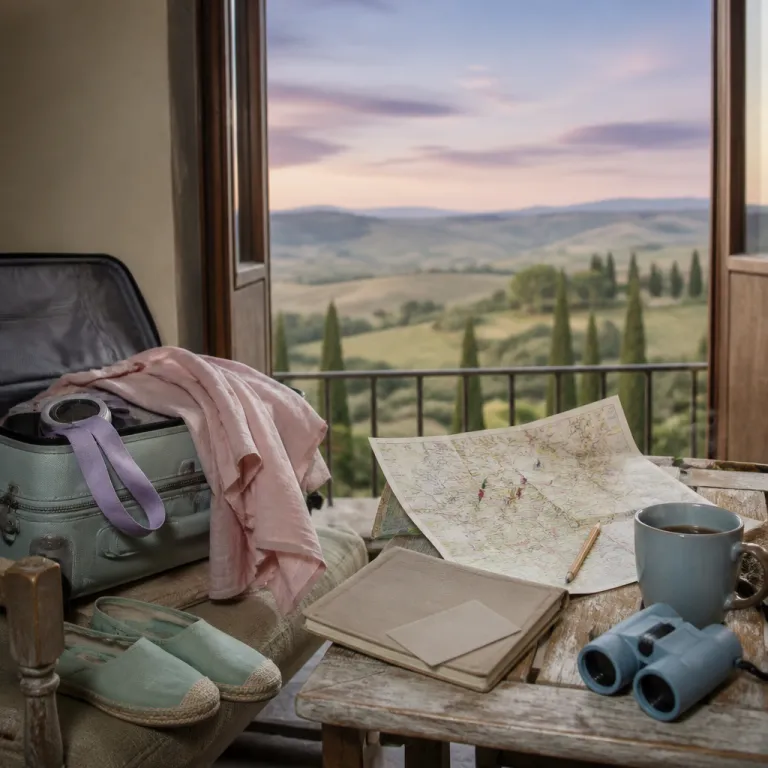
Why hidden gems in Tuscany Italy matter when you book a hotel
Choosing a hotel near hidden gems in Tuscany Italy changes the entire rhythm of your stay. When you base yourself close to a small town rather than a large city, you gain quieter streets, easier access to nature, and a more genuinely local welcome from Tuscan hosts. That shift in atmosphere is what turns a simple night’s sleep into a beautiful immersion in everyday life in Italy.
Travelers often focus on Florence or Pisa, yet some of the most rewarding hotels sit beside Tuscany’s secret towns where people still greet each other by name in the main square. These places give you time to walk, to taste wine with the producer, and to check how the light softens the stone walls at sunset. Hidden gems in Tuscany Italy are not only about scenery; they are about how you feel stepping out of your room in the morning.
When I spent a month reviewing properties across Tuscany, the most memorable nights were in quiet corners like Pitigliano, Sovana, and Sorano. Each town offered a different hidden gem, from Etruscan tunnels to thermal pools, yet all shared the same slow pace that hotel guests crave after a busy tour Florence schedule. If you plan your original itinerary around these off beat Tuscan villages rather than squeezing them into a rushed day trip, your hotel becomes a calm base instead of just another stop.
Southern Tuscan hill villages: Pitigliano, Sovana and Sorano
In southern Tuscany, the trio of Pitigliano, Sovana, and Sorano forms one of the most atmospheric clusters of hidden gems in Tuscany Italy. Pitigliano clings to a tufa cliff, a beautiful town sometimes called Little Jerusalem, and its aerial view at sunset is unforgettable from any terrace or hillside hotel. Sovana and Sorano sit nearby, smaller and quieter, yet together they create a network of villages where you can visit Etruscan sites by day and return to a peaceful room by night.
For hotel guests, the practical advantage is clear: you can use a rental car to move easily between each hidden gem without changing beds every night. There is usually a simple parking lot just outside the historic centre, so you park the car, walk in, and immediately feel the shift from traffic to stone lanes and local cafés. Families travelling with children old enough to walk longer distances appreciate this pattern, because it keeps logistics simple while still offering variety.
Sovana’s Etruscan necropolis and Sorano’s vie cave tunnels are best enjoyed when you have time, not when you rush through on a crowded day trip from a distant city. Many travelers book a car in Florence, then drive south for about three hours and check into a hotel that allows two or three nights in the area. A typical mid range guesthouse here might cost around €90–€140 per night in shoulder season, and this approach keeps you off the beaten path yet close enough to visit a museum, taste Tuscan wine, and still be back in your room before the last light fades over these hidden gems.
Val d’Orcia and Val d’Elsa: landscapes, villages and hotel choices
The rolling countryside of Val d’Orcia and the lesser known Val d’Elsa offers some of the most photogenic hidden gems in Tuscany Italy. Villages such as Bagno Vignoni, Monticchiello, and the walled town of Monteriggioni sit among wheat fields and vineyards, giving hotel guests a front row seat to classic Tuscan views. From your window or pool you may enjoy an aerial view of cypress lined lanes, then drive a short distance to a main square where local life unfolds slowly.
Bagno Vignoni is particularly special for travelers choosing a hotel, because its main square is an ancient thermal pool that steams gently on cool evenings. Staying nearby means you can visit at quiet times, avoiding the busiest hours when day trip groups arrive from Florence or Siena. Monticchiello, by contrast, is a small village where people still gather on benches at sunset, and a hotel here feels like a private balcony over the Val d’Orcia hills.
In Val d’Elsa, you are close enough to reach San Gimignano or Volterra by car, yet far enough from the crowds to feel the charm of a hidden gem. Many guests design an original itinerary that alternates between a rural hotel and one night in a city, using a rental car to link each stop. When you check distances carefully and allow time for slow driving, these valleys become ideal bases for exploring multiple hidden gems while keeping your luggage in one place.
Vinci, Leonardo and quiet bases near Florence
Northwest of Florence, the town of Vinci offers a thoughtful alternative base for travelers seeking hidden gems in Tuscany Italy. This small place is forever linked to Leonardo, and the local museum dedicated to Leonardo da Vinci provides a calm, well curated experience compared with busier galleries in the city. Staying in or near Vinci lets you enjoy Tuscan countryside views while remaining close enough for a tour Florence day trip when you wish.
Hotels around Vinci often sit among olive groves and vineyards, so you wake to birdsong rather than traffic noise from a large urban centre. Many properties provide easy parking for your car, which matters when you plan to visit both Florence and smaller towns like San Gimignano or Certaldo. You can book a compact vehicle, check driving times, and then shape an original itinerary that balances art, wine, and quiet evenings.
Leonardo da Vinci heritage is present everywhere, from sculptures in the main square to walking paths that trace his childhood landscapes. Guests with children already in school often appreciate how the museum and its ticket office present complex ideas in an accessible way. By basing yourself here, you enjoy a hidden gem that connects directly to Florence’s artistic story while giving you the space and time that a city hotel rarely offers.
Coastal retreats: Populonia, Baratti and Campiglia Marittima
While many travelers picture vineyards when they think of Tuscany, the coast hides some of the most surprising hidden gems in Tuscany Italy. Populonia, Baratti, and Campiglia Marittima form a trio where sea, archaeology, and medieval streets meet in a compact area. Choosing a hotel near these towns lets you combine beach time with cultural visits, a balance that works beautifully for couples and families alike.
Populonia is one of the rare Etruscan settlements by the sea in Italy, and its archaeological park offers both ruins and sweeping views. Down below, Baratti curves around a peaceful bay with clear water and pine forests, a classic hidden gem where people spread towels under the trees at sunset. Campiglia Marittima, slightly inland, is a small Tuscan town whose stone lanes and artisan workshops feel far from any beaten path.
For hotel guests, the logistics are straightforward: you can use a rental car, park in a designated parking lot, and then explore each area on foot. Families with children confident in the water often appreciate the gentle slope of Baratti’s beach, while history lovers focus on Populonia’s ticket office and museum. When you plan your original itinerary, consider at least two nights here, so these coastal gems in Tuscany can be enjoyed without rushing between city and shore.
How to plan hotels, transport and tickets around Tuscan hidden gems
Once you have chosen which hidden gems in Tuscany Italy appeal most, the next step is aligning your hotel bookings with transport and tickets. Public buses reach some villages, but a rental car gives you the flexibility to arrive early, leave late, and stop for photographs whenever a beautiful view appears. Many travelers now book a car online before arrival, then simply check the vehicle at the airport and drive directly to their first town.
When planning, think in clusters rather than isolated points: for example, combine Pitigliano, Sovana, and Sorano in one stay, then move on to Val d’Orcia or Val d’Elsa for a different landscape. This reduces packing and unpacking, gives you more time in each hidden gem, and makes it easier to coordinate museum opening hours and ticket office queues. If you intend to tour Florence or visit San Gimignano as a day trip, choose a hotel with reliable parking and clear driving directions.
Responsible hotels in Tuscany now publish a clear privacy policy on their websites, which reassures guests when they book rooms or purchase tickets online. Before confirming, always check cancellation terms, parking details, and whether the property is within walking distance of the main square or requires a short drive. By aligning these practical details with your original itinerary, you transform a list of hidden gems into a coherent journey through some of the most rewarding corners of Italy.
Key figures for travelers seeking Tuscan hidden gems
- Tuscany covers about 22,990 km² according to ISTAT, which means that hidden gems in Tuscany Italy are often separated by rural distances best covered by car rather than by foot or bicycle for most travelers (source: ISTAT, 2023 regional data).
- Pitigliano has roughly 3,500 inhabitants, so hotels here offer a small town atmosphere where people still recognise each other in the main square and visitors quickly feel part of local life (source: ISTAT municipal population tables, 2022).
- Spring and autumn are widely regarded as the best time to visit Tuscany’s hidden gems, because the weather is mild and there are fewer tourists compared with peak summer months (source: Tuscany regional tourism board seasonal reports).
- Many of the villages mentioned, such as Sovana, Sorano, and Campiglia Marittima, have only a limited number of rooms, so booking your hotel several weeks in advance is advisable during public holidays and school breaks.
FAQ about hotels near hidden gems in Tuscany Italy
What is the best time to visit Tuscany’s hidden gems for a hotel stay?
Spring and autumn offer pleasant weather and fewer tourists, which makes it easier to find rooms in small towns and enjoy quiet evenings. Heat and crowds are lower than in midsummer, so you can walk more comfortably through hill villages. These seasons also bring softer light at sunset, ideal for enjoying an aerial view from your hotel terrace.
Are villages like Pitigliano and Sovana accessible without a car?
Some villages are reachable by regional buses, but connections can be infrequent and slow. Renting a car gives you far more flexibility to move between multiple hidden gems in one trip. If you prefer not to drive, consider basing yourself in a larger city and joining organised excursions, though this limits late evening freedom.
Do these small towns have enough hotel options for families?
Most of the towns mentioned offer at least a handful of family friendly properties, often with extra beds or interconnecting rooms. Because capacity is limited, families with children already in school should book early, especially for summer or holiday periods. Checking details about parking, breakfast, and proximity to the main square helps ensure an easy stay.
Is it realistic to visit Florence as a day trip from the countryside?
Yes, many travelers stay in rural hotels near Vinci, Val d’Elsa, or Chianti and plan a tour Florence as a single long day. Driving to a city parking lot on the edge of the centre, then walking or taking public transport inward, keeps stress low. This strategy lets you enjoy Florence’s museums while returning to a quieter hidden gem for the night.
Do these villages offer cultural sites as well as scenery?
Villages such as Sovana, Sorano, Volterra, and Populonia combine landscape with deep history, from Etruscan necropolises to medieval walls. Many have at least one museum, a church with notable art, or archaeological remains near the town. Staying overnight allows you to visit these sites at calmer times, rather than sharing them with large day trip groups.
Trusted references for further planning
For detailed practical information and current opening hours, consult the Tuscany regional tourism board, the Italian National Tourist Board, and official ISTAT statistics for up to date figures.