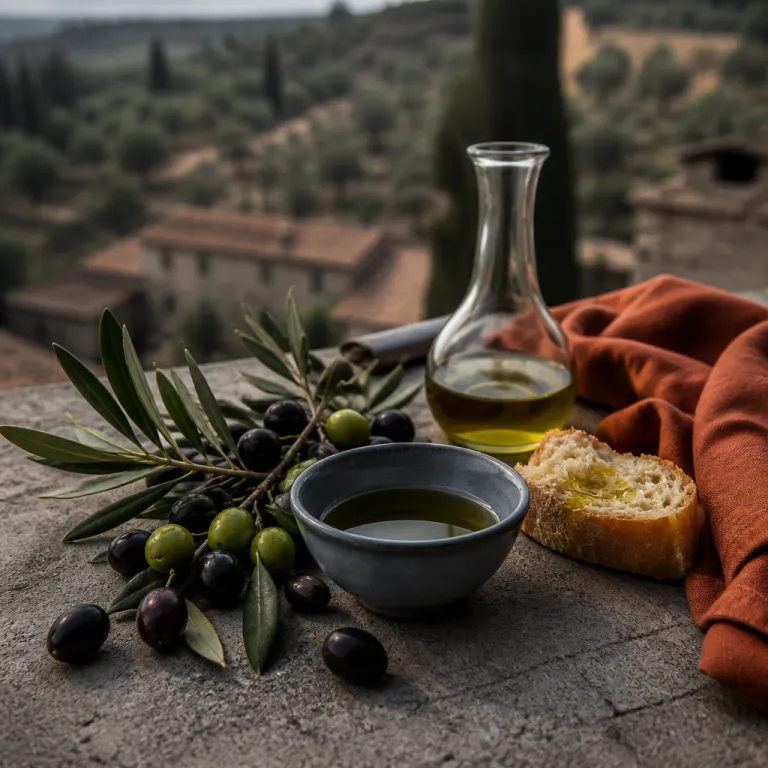
Why tuscany olive oil tasting tours matter when you choose a hotel
Choosing a hotel in Tuscany is easier when you understand how tuscany olive oil tasting tours shape your stay. A property that curates an authentic tasting experience with both olive and wine can turn a simple night into a layered journey through landscape, culture, and food wine traditions. When you align your room reservation with a nearby oil tour or wine tour, every hour of your holiday will feel more intentional and rewarding.
Many travellers focus on a pool or a spa and forget how close the hotel is to working olive groves or a traditional oil mill. Yet a short farm tour that starts directly from reception, guided by a local producer, can help you learn why extra virgin olive oil from a specific valley tastes so different from another, and how that difference pairs with regional food. When you book a stay that includes a structured oil tasting or combined food tour and wine olive pairing, you gain context for every plate of bread, every drizzle of golden oil, and every glass of Chianti poured at lunch.
Location remains crucial because the best tuscany olive oil tasting tours cluster around classic hill towns and vineyard belts. Hotels near Florence, Chianti Classico, or San Gimignano often collaborate with nearby farms so guests can visit an oil mill in the morning and join a wine tour in the afternoon, all without long transfers. This proximity will save time, deepen your tasting tuscany schedule, and allow you to return to your room between tours for a rest before an evening food wine pairing in the hotel restaurant.
How hotel location shapes your olive oil and wine tasting experience
Where you sleep in Tuscany will quietly dictate which olive oil experiences you can realistically enjoy. A hotel in central Florence gives quick access to urban food tour options, but you will need transfers to reach rural olive groves and a traditional farm tour in Chianti or the hills around San Gimignano. By contrast, a countryside property set among Tuscan olive trees often offers a shorter oil tour, a relaxed tasting experience, and a rustic lunch without any need for driving.
For travellers who care about both wine and olive oil, the Chianti Classico area between Florence and Siena is especially strategic. Many estates here produce high quality extra virgin olive oil alongside Sangiovese wines, so a single visit can combine an oil tasting, a wine olive pairing, and sometimes hands on cooking classes that highlight seasonal food. When you compare hotels, read how they describe their partnerships with local farms and whether they can arrange private tours or small group tuscany olive oil tasting tours tailored to your schedule and level of knowledge.
Food focused guests should also consider how hotel choice interacts with broader culinary planning across the region. Detailed guidance on how Tuscany food and wine experiences should shape your hotel choice is available in this specialist overview of food and wine led hotel decisions, which helps you balance city stays with rural nights near farms. Once you understand these patterns, you will be able to book a sequence of hotels that places you near an oil mill one day, a vineyard for a wine tour the next, and a historic centre like Florence or San Gimignano for cultural visits and evening food wine walks.
What to expect from tuscany olive oil tasting tours near your hotel
Most tuscany olive oil tasting tours begin with a gentle walk through olive groves, where a guide explains how the trees are pruned and when the olive harvest takes place. In Tuscany the main picking season usually runs from late October into December, and many producers now invite guests to watch the process. You will usually visit an oil mill next, seeing how olives become extra virgin olive oil through careful pressing that protects flavour, aroma, and the healthful compounds that define high quality virgin olive profiles. Hotels that work closely with a nearby farm often arrange transfers, so you can focus on the tasting experience rather than driving narrow Tuscan roads.
During the structured oil tasting, you will learn to warm the glass with your hands, inhale the aromas, and recognise the peppery finish that signals fresh extra virgin oil. Hosts typically pour several different olive oils, sometimes including a delicate early harvest virgin olive sample and a more robust Tuscan olive blend, then guide you through pairing them with bread, vegetables, and simple food. Many estates now combine this with a short wine tour, so you can compare how a Chianti, a Vernaccia from San Gimignano, or a local wine olive blend interacts with the same dishes during a relaxed lunch.
Planning your hotel nights around these activities becomes easier when you map distances between properties and farms. A helpful resource on how to plan hotel stays around the best vineyards to visit in Tuscany is this practical guide to vineyard centred hotel planning, which you can adapt for olive oil visits as well. When you book, ask whether the reception team can secure a private farm tour, arrange a combined food tour and oil tour, or reserve places on small group tours that align with your arrival and departure times.
Choosing hotels with on site farm links, cooking classes, and lunch pairings
Some of the most rewarding stays in Tuscany come from hotels that maintain close relationships with a working farm, even if the olive groves sit a short drive away. These properties often host visiting producers for in house oil tasting evenings, where you can sample several olive oils before dinner and learn how to recognise defects or signs of high quality extra virgin oil. When a hotel invests in this kind of education, it signals a deeper commitment to regional food wine culture rather than a simple tourist show.
Cooking classes offered either on site or at a partner farm can further enrich your tasting tuscany itinerary. In a typical session, you will prepare a few Tuscan dishes such as ribollita, panzanella, or handmade pasta, then experiment with different olive oil styles and a glass of wine to see how flavours shift with each pairing. Many hotels package these classes with a farm tour, an oil tour at the local oil mill, and a relaxed lunch that showcases seasonal produce, which turns a single day into a complete tasting experience anchored by your room reservation.
Active guests who enjoy gentle exercise between meals may appreciate hotels that combine culinary activities with soft adventure. Some properties coordinate with operators who design gentle Tuscany bike tours for beginners, and this guide to matching bike rides with the right hotel explains how to pair cycling routes with farm visits and tastings. When you book such a stay, you will be able to ride through olive groves in the morning, stop for an oil tasting and wine tour around midday, then return to your hotel for a quiet evening overlooking the Tuscan hills.
Florence, san gimignano, and tuscan countryside: contrasting bases for tastings
Staying in Florence offers immediate access to museums, markets, and urban food tour experiences that introduce you to regional flavours in a compact format. From the city you can join day tours that combine a visit to an oil mill, a short wine tour in Chianti, and a guided tasting experience, although travel times will slightly reduce your hours among olive groves. Hotels here suit travellers who want culture first but still value curated tuscany olive oil tasting tours as part of a broader itinerary.
San Gimignano provides a different rhythm, with medieval towers rising above vineyards and fields of Tuscan olive trees. Many nearby farms produce both Vernaccia wine and extra virgin olive oil, so a single farm tour can include an oil tasting, a wine olive pairing, and a rustic lunch featuring local food such as pecorino, cured meats, and seasonal vegetables. Choosing a hotel just outside the walls often means you will wake to countryside views, then reach an oil tour or wine tour within minutes, which is ideal for guests who prefer slow travel.
The wider Tuscan countryside, from the Val d'Orcia to lesser known hills, rewards those who prioritise tranquillity and direct contact with producers. Rural hotels may not offer as many restaurants on the doorstep, but they usually maintain strong relationships with local farms, arranging private tours, cooking classes, and intimate food wine evenings that highlight high quality extra virgin oils. When you book such a stay, you will trade some urban convenience for deeper immersion in the agricultural experience that underpins every bottle of olive oil on your table.
How to evaluate and book the right tasting focused hotel stay
Evaluating hotels through the lens of tuscany olive oil tasting tours requires a slightly different checklist from a standard city break. Read descriptions carefully to see whether the property mentions partnerships with a specific farm, an oil mill, or named olive groves, rather than vague references to generic tours. When a hotel can outline a clear farm tour, an oil tour with structured oil tasting, and perhaps a combined food tour and wine tour, you will know that tastings are central to their guest experience.
Before you book, contact the hotel directly and ask detailed questions about their tasting tuscany options. Clarify whether they host producers on site for evening tastings, whether they can arrange private transfers to a local farm, and how often they schedule cooking classes that incorporate both olive oil and wine olive pairings. It is also wise to ask about seasonal variations, because the olive harvest period offers a particularly vivid tasting experience, with freshly pressed extra virgin oils that show the full intensity of Tuscan olive character.
Finally, consider how the overall rhythm of your trip will feel once tastings, lunches, and travel times are in place. A well planned itinerary might include a night in Florence for culture and an urban food wine walk, two or three nights near San Gimignano or Chianti for immersive farm visits, and perhaps a quieter stay further south for reflective meals built around high quality virgin olive oils. When you align your hotel choices with these patterns, every tour, every glass of wine, and every drizzle of olive oil will connect into a coherent narrative rather than a series of isolated activities.
Key figures that highlight tuscany’s olive oil and wine landscape
- Recent national statistics suggest that Tuscany contributes only a modest share of Italy’s total olive oil production by volume, yet its presence in premium extra virgin categories and exports is disproportionately high, underlining the region’s focus on quality over quantity.
- Industry bodies such as the Consorzio per la Tutela dell'Olio Extravergine di Oliva Toscano IGP report that the vast majority of olive oil produced in Tuscany qualifies as extra virgin olive oil, showing how strongly producers prioritise top grade virgin olive standards.
- The Chianti Classico wine zone includes thousands of hectares of both vineyards and olive groves, and many estates report that a growing share of visitors now book combined wine tour and oil tour experiences rather than wine only tastings.
- Regional tourism surveys indicate that food and wine motivated travellers tend to spend more per day on average than other visitors, especially when they participate in structured tasting experiences, cooking classes, and farm tours linked to their hotel stays.
- San Gimignano’s Vernaccia producing area hosts dozens of estates that also make extra virgin olive oil, which makes the town an efficient base for guests who want to visit multiple producers without long transfers from their chosen hotel.
FAQ: planning tuscany olive oil tasting tours from your hotel
How many days should I allocate for olive oil and wine tastings in Tuscany ?
For a balanced trip, plan at least two full days focused on tastings, which allows time for one combined oil tour and wine tour day near Florence or Chianti and another slower day around San Gimignano or the wider Tuscan countryside. With three or four days you will be able to include cooking classes, a farm tour with lunch, and a relaxed food tour in a historic town without rushing between hotels. Shorter stays are still possible, but you will need to prioritise either wine or olive oil rather than both.
Is it better to stay in Florence or in the countryside for tastings ?
Florence works well if you want museums, markets, and evening city life, then join day tours that include an oil tasting and wine olive pairings in nearby regions. Countryside hotels near Chianti or San Gimignano place you closer to olive groves and an oil mill, so you can reach tastings quickly and return to your room between activities. Many travellers combine both, starting with two nights in Florence and then moving to a rural Tuscan base for deeper farm visits.
Can I visit olive farms and oil mills without renting a car ?
Yes, but you will need to choose your hotel and tours carefully, because many rural farms sit far from public transport. Some properties arrange private transfers to a local farm or partner oil mill, while others work with operators who run small group tuscany olive oil tasting tours that include pick up and drop off. If you prefer not to drive, confirm these logistics before you book so that your tasting experience remains smooth and unhurried.
What should I look for in a high quality extra virgin olive oil during tastings ?
During an oil tasting, focus on freshness, balance, and clarity of flavour, starting with aromas of green olive, artichoke, or herbs, then a clean, peppery finish that signals healthy polyphenols. High quality extra virgin oils should taste vibrant rather than flat or greasy, and your host will often guide you through comparing different Tuscan olive styles. Use these sessions to learn which profiles you enjoy most, then buy directly from the farm to support local producers.
How far in advance should I book tastings and related hotel packages ?
For peak seasons, it is wise to book both your hotel and key tastings at least several months ahead, especially if you want specific cooking classes, a private farm tour, or a combined food wine package. Smaller estates and intimate hotels often limit group sizes to preserve the quality of the tasting experience, so last minute places can be scarce. Outside the busiest months you will find more flexibility, but advance planning still helps align tour times with your arrival and departure days.