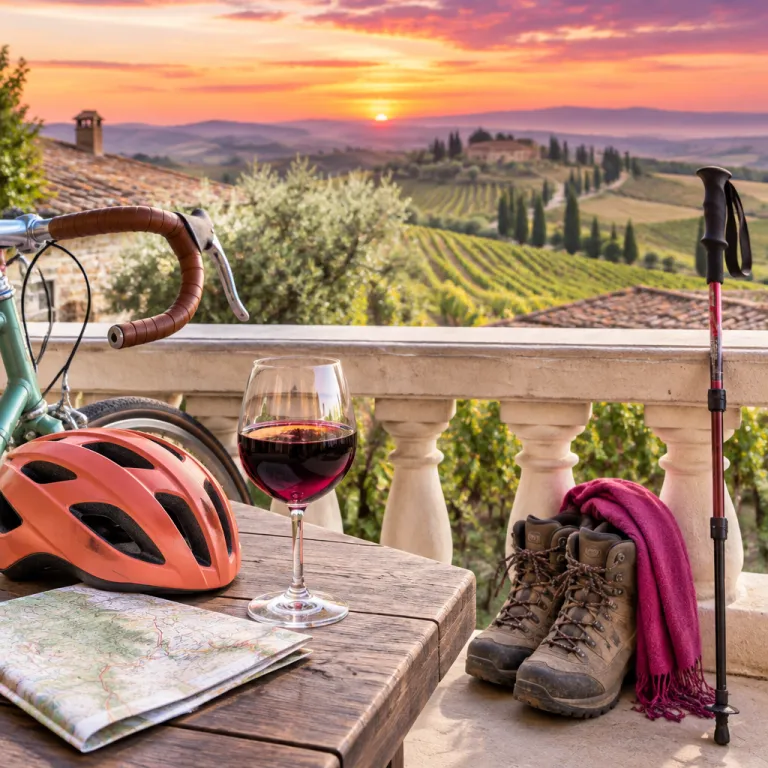
Planning your stay in Tuscany Italy around cycling and hiking
Choosing where to stay in Tuscany shapes every ride and walk. When you plan your things to do in Tuscany Italy, start by matching your hotel location with the cycling and hiking routes you most want to explore. This simple step will save precious time and turn a good trip into one of the best things you remember for years.
For a first stay, position yourself between Florence and Siena so you can reach the Chianti Classico vineyards, the Val d’Orcia, and the Tuscan countryside within an easy day trip. This central band of Tuscany offers rolling hills, quiet strade bianche gravel roads, and well marked hiking trails that link one medieval town to the next, which means you can design different things Tuscany offers for every single day. Hotels in this area often collaborate with local guides and winemakers, so you can combine cycling, hiking, and wine tasting without worrying about logistics.
Ask your chosen hotel for a personalised travel guide that lists the best places for sunrise rides, shaded afternoon walks, and scenic food wine stops. Many properties now use online resources and printed travel guides together, giving you GPX tracks for your cycling computer and classic paper maps for slower days on foot. When you visit Tuscany with this level of preparation, you will move like a confident insider rather than a rushed tourist chasing random things.
Florence, Siena and Pisa: city based routes from your hotel
Staying in or near a major city such as Florence, Siena, or Pisa gives you culture in the evening and countryside loops by day. In Florence you can ride from the city centre towards Fiesole and the Chianti hills, then return for an evening stroll across the Arno and a glass of Tuscan wine on a quiet side street near Piazza della Signoria. These Florence based routes are ideal for travellers who want the best mix of museums, food wine experiences, and accessible cycling.
From Florence, a classic half day ride climbs about 400–500 metres over 35–40 kilometres towards Impruneta and back, while a gentle city walk might cover 5 kilometres between the Duomo, the Oltrarno, and Piazzale Michelangelo. From Siena, your hotel will likely be within walking distance of Piazza del Campo, the shell shaped square that anchors the historic city. Here you can plan things to do in Tuscany Italy that start with a morning espresso on del Campo, continue with a ride through the rolling hills towards the Crete Senesi, and finish with a late afternoon walk on the city walls.
Pisa offers a different rhythm, with the Leaning Tower and the cathedral complex drawing visitors to the Piazza del Duomo. You can design a relaxed tower Pisa loop that leaves the city, follows the river, and returns in time to climb the Leaning Tower before sunset. While Pisa is not as central for the wider Tuscan countryside as Florence or Siena, it is one of the best places for travellers who want a short stay focused on iconic things Tuscany is famous for, including the Leaning Tower and easy access to the coast.
Hill towns, San Gimignano and Lucca: riding and walking between history
Many travellers dream of a stay near a medieval town where they can step from the hotel door straight onto quiet lanes. San Gimignano, often called the town of towers, is one of the best places in Tuscany for this style of trip, because cycling and hiking routes radiate from its walls in every direction. When you plan things to do in Tuscany Italy around San Gimignano, you can ride past vineyards in the morning and explore stone lanes and artisan shops by late afternoon.
The area around San Gimignano and the nearby town of Volterra offers classic Tuscan countryside views, with rolling hills, cypress lined drives, and small farms producing wine and olive oil. Hotels here often work with local guides who know both the quietest cycling roads and the most scenic walking paths, so your travel guide will feel tailored rather than generic. A typical loop might cover 25–30 kilometres by bike with 300–400 metres of climbing, or a 10 kilometre hike linking two hill towns at an easy pace.
Lucca, further north, is a walled city where you can cycle on top of the Renaissance ramparts themselves. From a hotel inside the walls, you can plan a gentle loop along the city ring in the morning, then head out into the surrounding Tuscan countryside for a longer ride in the afternoon. Lucca also makes a refined base for day trips into the nearby hills, where small towns and vineyards offer quieter alternatives to the busier streets of Florence or Siena.
Val d’Orcia, hot springs and UNESCO heritage landscapes
South of Siena, the Val d’Orcia unfolds as a wide valley of sculpted fields, isolated farmhouses, and cypress ridges that define many classic images of Tuscany. This area is listed as a UNESCO heritage cultural landscape, which means your cycling and hiking routes pass through scenery protected for its historical and agricultural value. When you design things to do in Tuscany Italy around Val d’Orcia, you will quickly understand why so many travellers return to this valley again and again.
Base yourself in or near towns such as Pienza, Montalcino, or San Quirico d’Orcia, where hotels can arrange transfers to trailheads or provide detailed maps for self guided exploration. The rolling hills here are perfect for intermediate cyclists, with climbs that are steady rather than extreme and descents that reward patience and good bike handling. Hikers will find well marked paths that link hilltop villages, vineyards, and chapels, allowing you to experience the best things about the Tuscan countryside at walking pace.
One of the most distinctive things Tuscany offers in this region is access to natural hot springs, including Bagni San Filippo and other San Filippo pools hidden in the woods. After a long day on the bike, soaking in these hot springs feels like a private spa ritual carved into limestone. Hotels that understand active travel will often schedule your day so you can ride in the cooler hours, bathe in Bagni San Filippo in the late afternoon, and return for a relaxed evening of food wine pairings drawn from local cellars.
Designing hotel based cycling and hiking itineraries
When you plan your stay, think in terms of themed days rather than a long checklist of scattered things. One day might focus on a city such as Florence or Siena, another on a town like San Gimignano, and a third on the open Tuscan countryside of Val d’Orcia or Chianti. This structure keeps travel time under control and allows you to enjoy each place fully instead of rushing between distant corners of Italy.
Ask your hotel to help you build a simple travel guide that lists three levels of routes for both cycling and hiking. An easy option might be a flat ride near Pisa or a short walk on the Lucca walls, a medium route could explore rolling hills near San Gimignano, and a challenging itinerary might tackle longer climbs in the Chianti area between Florence and Siena. Hotels that work regularly with tourists, local guides, and winemakers will often have a guide best suited to your fitness level and interests, whether you prefer wine tasting stops, historical sites, or quiet nature.
Remember that the best places for active travel are not always the most famous city centres. A small town hotel near vineyards or hot springs can offer quicker access to trails and less traffic on the roads, which matters when you are riding or walking every day. By balancing nights in major cities with time in rural areas, you will experience both the cultural highlights and the slower rhythms that make things Tuscany offers feel genuinely restorative.
Food, wine and practical tips for active travellers
Cycling and hiking in Tuscany are as much about food wine culture as they are about distance and elevation. Plan your things to do in Tuscany Italy so that rides and walks end in places where you can enjoy regional dishes, from ribollita soup to pici pasta, alongside a glass of Chianti Classico or Brunello di Montalcino. Winemakers in many areas welcome visitors by appointment, and combining wine tasting with a gentle afternoon walk is often safer and more enjoyable than pairing it with a demanding ride.
Tourists, local guides, and winemakers together shape the character of rural hospitality, and respectful behaviour keeps this balance healthy. Simple habits such as booking tastings in advance, learning a few Italian phrases, and respecting local customs will make hosts more inclined to share their favourite hidden routes and viewpoints. As one regional overview notes, "Spring and autumn offer pleasant weather and fewer crowds."
For timing, consider that spring and autumn bring mild temperatures and clear light, while summer can be hot on exposed rolling hills and winter offers quieter roads but shorter days. Use maps, printed travel guides, and online resources together, and do not hesitate to ask your hotel for updated information on trail conditions or road works. When you visit Tuscany with this thoughtful approach, every city, town, and valley you cross will feel like part of a coherent journey rather than a random list of disconnected things.
Key figures for planning your active trip in Tuscany
- Tuscany receives millions of visitors each year, so booking your hotel and key cycling or hiking experiences early is essential in peak seasons.
- The region includes several UNESCO World Heritage Sites, so you can design routes that link cultural landmarks with scenic countryside in a single day.
- Tourism in Tuscany runs year round, but spring and autumn typically offer the best balance of weather, trail conditions, and crowd levels for active travellers.
FAQ: planning things to do in Tuscany Italy from your hotel
What is the best time to visit Tuscany for cycling and hiking ?
Spring and autumn are generally the best time to visit Tuscany for active travel, with mild temperatures, greener landscapes, and fewer crowds on both roads and trails. Summer can work if you start early and avoid the hottest hours, while winter offers quiet routes but shorter daylight and occasional rain. Align your stay with these patterns to make the most of your planned things to do in Tuscany Italy.
Are there direct flights to Tuscany for a short active break ?
Yes, Tuscany is served by airports in Florence and Pisa, both of which receive direct flights from several European cities. Pisa airport is often better connected for low cost carriers, while Florence airport places you closer to Chianti and central Tuscany. From either city you can reach your hotel by train, bus, or private transfer and start your cycling or hiking plans the next day.
Is Tuscany suitable for family travel focused on outdoor activities ?
Tuscany works very well for families who enjoy gentle cycling, easy walks, and time outdoors. Cities such as Lucca, with its flat walls, and towns like San Gimignano offer safe, compact areas where children can explore on foot. Many hotels can arrange child sized bikes, shorter routes, and family friendly food wine experiences that introduce local flavours without long formal meals.
Do I need a guide for cycling and hiking routes from my hotel ?
You do not always need a guide, because many popular areas provide well marked trails and detailed maps, but a local expert can add depth and safety. Guided tours are particularly valuable if you are new to road cycling, want to explore remote sections of the Tuscan countryside, or prefer not to manage navigation. For easier routes near cities such as Florence, Siena, or Pisa, a good travel guide from your hotel may be enough.
How far in advance should I book my hotel in Tuscany ?
For spring and autumn, it is wise to book your stay several months ahead, especially in high demand areas such as Val d’Orcia, Chianti, and the historic centres of Florence and Siena. This is even more important if you need secure bike storage, early breakfasts, or proximity to specific trails. In quieter winter months you will find more flexibility, but planning ahead still helps you secure the best places for your preferred style of travel.