Choosing a base for a real Chianti wine tasting tour during harvest
September in Chianti is not quiet ; it is charged and alive. The sangiovese grapes that define Chianti wine and Chianti Classico are still hanging, and every serious winery in this wine region is running long days from the first light into the evening. If you want a Chianti wine tasting tour that feels like a working vendemmia rather than a polished showroom visit, your first decision is where to sleep.
Look at a map of central Tuscany and trace the arc between Greve in Chianti, Panzano, Castellina, Radda in Chianti and Gaiole ; this is the heart Chianti corridor where harvest energy is most intense. Staying in a countryside hotel or agriturismo within a 20 to 30 kilometre drive of several wineries will let you plan more than one tasting experience without turning every outing into a highway slog. A base near Greve in Chianti or Radda in Chianti also keeps you close to the Val Pesa and to the softer hills that roll toward Florence, where olive groves and vineyards share the same slopes.
For a food and wine traveler, the best idea is to choose accommodation that understands harvest rhythms and will not promise you a full spa schedule when the owners are in the cellar. Read recent guest reviews carefully and look for mentions of wine tastings on site, early breakfast for cellar visits and staff who can arrange a guided tour at short notice. If you are unsure how to balance comfort with proximity to vineyards, use a specialist guide on how to choose a hotel in Tuscany that elevates your wine tour to narrow the field.
What really happens inside a working Chianti Classico cellar in September
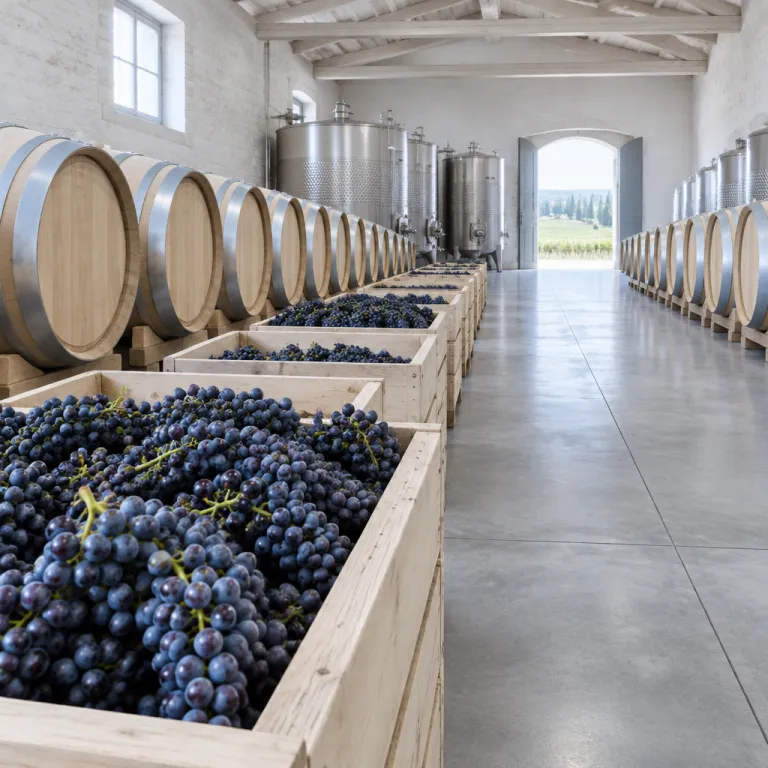
Walk into a serious Chianti Classico cellar during vendemmia and the first thing you notice is the smell. It is not the polite aroma of a standard wine tasting ; it is a humid mix of crushed grape skins, fermenting must and the faint tang of extra virgin olive oil drifting in from the frantoio where the first olives will arrive a few weeks later. Stainless steel tanks hum softly, hoses snake across the floor and the winemaker moves quickly, checking temperatures and tasting from valves.
A genuine harvest season guided tour is shorter and sharper than an off season visit, because the team is working twelve to sixteen hour days and hospitality is fitted into the gaps. You might follow the winemaker from vineyard to cellar, watching crates of chianti grapes arrive from the rows above, then step into the cool barrel room for a brief tasting experience of young classico and older riserva wines tasted side by side. Expect fewer rehearsed speeches and more candid answers about why one parcel in Val Pesa ripens later, or how a sudden storm changed the balance of the wines this week.
Many estates in Chianti and around San Gimignano will still pour a structured flight, but the focus is on what is in tank now rather than on a long list of vintages. You may taste a fermenting classico Chianti from the tank, then a finished Chianti wine from bottle, followed by a small glass of Vin Santo and a drizzle of their own virgin olive oil on bread. This is not the best moment for a leisurely tour wine lunch, yet it is the only time you will feel the cellar as a living place rather than a stage set.
Designing your harvest day: timing, driving and tasting without fatigue
To make harvest work for you, plan your Chianti wine tasting tour around the winery schedule, not your own. Fruit usually comes in during the morning and early afternoon, so late afternoon visits are the sweet spot when the last trailers have unloaded and the team can pause for a focused tasting. If you are staying in central Tuscany, aim for a first visit no earlier than 15:30 and a second, lighter stop around 17:30, leaving time for a slow drive back before dinner.
Choose a base that keeps your daily drive under forty minutes each way, especially on the white roads that criss cross the hills between Greve in Chianti, Radda in Chianti and the Val Pesa. These roads are beautiful but tiring, and you will want a clear head for both tastings and the return journey after the wines tasted have started to blur into one another. If you prefer to leave the car parked, some estates offer a guided tour with transfers from nearby towns such as San Casciano or even from Florence, though these sell out quickly in September.
When you plan more than one tasting experience in a day, alternate styles and settings to keep your palate fresh. Pair a structured, sit down wine tasting at a historic winery in the heart Chianti area with a more relaxed visit to a small family estate that also produces olive oil and perhaps a little Vin Santo. For help matching gentle countryside drives with cellar stops and even easy rides between vineyards, look at curated itineraries such as these hotel stays planned around the best vineyards to visit in Tuscany, which show how to cluster estates without overloading any single day.
Beyond the glass: pairing Chianti tastings with food, olive oil and local events
Harvest in Chianti is not only about wine ; it is about the full table. Many wineries in this wine region still offer simple estate lunches where you sit under a pergola with a plate of ribollita, grilled sausages or pecorino, and taste their Chianti Classico alongside their own extra virgin olive oil. The best lunches feel like an extension of the cellar, with the same grapes and olives visible through the window that you are tasting in your glass and on your plate.
If you are staying near San Gimignano or in the hills between Florence and Siena, look for estates that combine wine tastings with short walks through the vines and olive groves. A guided tour that ends with a small plate of bruschetta drenched in peppery virgin olive oil, a glass of Vin Santo with cantucci and a line up of classico Chianti and IGT wines tasted slowly will tell you more about the land than any technical sheet. Some properties also sell gift card options that you can use for future tastings or to ship wines home, which is useful when your luggage space is limited.
To widen your view beyond a single winery, time your visit to coincide with the Expo Chianti Classico weekend in the town of Greve in Chianti, where producers from across the appellation pour their wines in one compact square. Staying in or near Greve lets you walk to the fair, taste broadly, then spend the next days visiting the estates whose wines impressed you most. If you want to balance cellar time with movement, consider weaving in one of the gentle countryside rides outlined in these gentle Tuscany bike tours for beginners, which pair hotel bases with quiet roads and vineyard stops, not the guidebook, but the tenth kilometre of white road.
FAQ
Is September really the best time for a Chianti wine tasting tour ?
September is the most intense month for a Chianti wine tasting tour because the vendemmia is in full swing and the cellars are active. You will see grapes arriving, tanks fermenting and winemakers making real time decisions, which gives context to every wine tasting. The trade off is that appointments are limited and must be booked well in advance, especially at the best known wineries.
How far should my hotel be from the wineries I want to visit ?
For a relaxed harvest stay in Tuscany, choose a hotel within a 20 to 30 kilometre radius of at least three or four wineries you want to visit. This keeps each drive under forty minutes and leaves time for unplanned stops in villages such as Greve in Chianti or Radda in Chianti. Being close also allows you to book late afternoon tastings, which work best once the day’s fruit is in.
Can I help with grape picking during a visit to a Chianti Classico estate ?
Some smaller wineries occasionally invite guests to join a short hand picking session, usually in the morning and always under supervision. This is never guaranteed, because harvest timing depends on weather and ripeness, and the priority is always the fruit. If this experience matters to you, ask directly when you book and be prepared for a flexible schedule.
What should I expect from olive oil tastings during harvest season ?
Olive harvest in Chianti usually follows the grape harvest, so in September you will often taste the previous season’s extra virgin olive oil. Many estates still include a small olive oil tasting alongside their wines, often served simply on grilled bread or raw vegetables. This is a good moment to learn the difference between basic oil and high quality extra virgin, and to decide whether to ship a few bottles home.
Do I need a car for winery visits in Chianti and around San Gimignano ?
A car gives you the most flexibility for visiting wineries in Chianti and near San Gimignano, because public transport rarely reaches the countryside estates. Some producers offer transfers or small group tours from nearby towns, but these sell out quickly in harvest season. If you plan to taste widely, consider hiring a driver for one day so that you can enjoy the wines safely without worrying about the drive back.
Sources
touristitaly.com ; visittuscany.com ; Consorzio Vino Chianti Classico