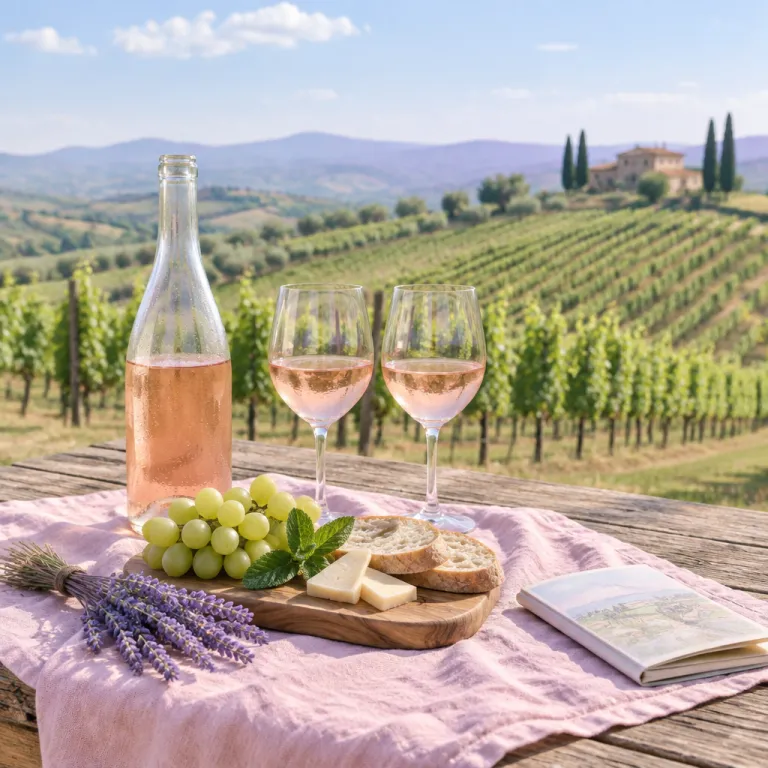
How to Choose the Best Tuscany Vineyards for Beginners Near Your Hotel
Choosing the best Tuscany vineyards for beginners near your hotel
First time planning wine tasting in Tuscany can feel overwhelming. The region is vast, the wine districts are varied, and the most rewarding wineries are scattered across hills that look deceptively close on a map. Choosing a hotel close to a beginner friendly winery or several wineries in Tuscany will shape every part of your stay.
Start by deciding which Tuscany wine style you want to explore first. Chianti Classico, Brunello di Montalcino, and Vino Nobile di Montepulciano each offer a distinct Tuscan wine profile, and the most approachable estates for newcomers usually sit near historic villages. If you stay within 10 to 20 kilometres of a winery cluster, you can enjoy relaxed wine tours without long drives.
For many guests, the gentle hills of Chianti are the ideal starting point. Around Greve in Chianti, you will find a concentration of wineries Tuscany visitors rate highly in reviews, with clear explanations of grape varieties and ageing. This area is also practical for a first visit because you can combine a wine tasting with a short cultural stop in Florence or Siena.
When you compare hotels, look for properties that partner with at least one local winery estate. A family run castello or tenuta often arranges transfers for wine tours, which is reassuring if you are new to Italian country roads. Check whether the hotel team can reserve guided tastings at a nearby winery in your language, and ask if they work with both a small family winery and a larger estate.
To refine your shortlist, read independent reviews that mention specific wineries best suited to beginners. Guests often describe whether the wine tasting included clear explanations, food pairings, and time to walk among the vines. Pay attention when reviewers praise the overall experience rather than only the wines, because that balance matters on a first trip.
As you compare options, use a simple checklist: distance from at least two estates, availability of transfers or drivers, staff able to explain local Tuscan wine regions, flexible breakfast times on tasting days, and recent reviews mentioning successful first visits to vineyards.
Starting gently in Chianti Classico: easygoing estates for new wine lovers
Chianti Classico is often the best entry point for understanding Tuscan wine. The zone stretches between Florence and Siena, and its rolling hills host some of the most visitor friendly Tuscany vineyards thanks to clear signage and well organised tasting rooms. Here, a mix of historic castello estates and modern wineries makes it simple to compare styles in a single day.
Around Greve in Chianti, you will find wineries Tuscany travellers consistently rate as welcoming to novices. Many estates here offer structured wine tasting flights that explain the difference between a basic Chianti, a Chianti Classico, and a riserva. This step by step approach helps you connect the taste of the wines with the landscape you see from the winery terrace.
Look for a tenuta that offers short vineyard walks before the tasting. Walking among the vines with a guide who explains soil, exposure, and pruning turns an ordinary visit into a memorable experience. For a first trip, choose an estate where the tour lasts about 60 to 90 minutes, leaving time to return comfortably to your hotel before dinner.
Some of the most accessible wineries in this area combine wine tours with simple lunches. A plate of local pecorino cheese, cured meats, and seasonal vegetables will help you understand how Tuscan wine behaves with food. When you read reviews, note whether guests mention clear English explanations and patient answers to basic questions about fermentation and ageing.
If you plan your hotel stays around the best vineyards to visit in Tuscany, you can minimise driving and maximise tasting time. A property located between Greve in Chianti and Panzano, for example, gives quick access to several estates suited to beginners, from small family cellars to larger properties. This central base also allows easy day trips to Florence for art or to Siena for medieval streets.
First time visitors often praise estates such as Castello di Verrazzano near Greve for guided tours that mix history and straightforward tastings, Castello di Ama near Gaiole for art filled cellars and clear comparisons between labels, and Castello di Brolio in the southern Chianti Classico area for panoramic views and structured introductions to the region’s styles.
From San Gimignano to Val d’Orcia: scenic routes for gentle wine education
Travellers who value scenery as much as wine often start near San Gimignano. The town’s medieval towers rise above vineyards and olive groves, and several nearby wineries offer approachable tastings that suit guests still learning about Tuscany wine. Here, crisp white wines share the stage with light reds, which can be easier for some palates.
Many hotels around San Gimignano collaborate with a local winery estate for combined wine tours and olive oil visits. This is ideal if you want a broader Tusrican food and wine experience without planning every detail yourself. When you read reviews, look for comments about shuttle services, timing, and whether the tasting included both wines and extra virgin olive oil.
Further south, the Val d’Orcia offers some of the most photographed hills in Tuscany. Staying near this valley places you within reach of Brunello di Montalcino and Vino Nobile di Montepulciano, two classic red Tuscan wine styles that many beginners want to taste at least once. The key is to choose estates that explain these powerful wines in a gentle, structured way.
In this area, consider a hotel that can arrange half day wine tours rather than full day marathons. Shorter visits to one winery in Montalcino and one winery near Montepulciano allow time to absorb information without fatigue. When you plan, remember that winding country roads make distances feel longer, so staying within 15 to 25 kilometres of your chosen estates is practical.
As you refine your itinerary, let olive oil tastings influence your hotel choice as much as wine. Many estates in Val d’Orcia and around San Gimignano produce both wines and high quality oil, and a combined visit deepens your understanding of the landscape. For guidance on how olive oil experiences should shape your hotel selection, you can consult a dedicated resource on planning Tuscany olive oil tasting tours with your accommodation in mind.
Along these routes, estates such as Fattoria Poggio Alloro near San Gimignano are often highlighted for relaxed farm lunches with Vernaccia and simple reds, while Avignonesi near Montepulciano and Poggio Antico close to Montalcino are frequently recommended for clear explanations of barrel ageing and side by side tastings of younger and older wines.
Understanding iconic Tuscan reds: Brunello, Vino Nobile, and Super Tuscan styles
Once you feel comfortable with Chianti Classico, you may be ready for deeper reds. Brunello di Montalcino, Vino Nobile di Montepulciano, and the so called Super Tuscan wines each represent a different expression of Tuscan wine. Choosing welcoming estates in these categories means prioritising wineries that explain structure and ageing clearly.
In Montalcino, some estates present Brunello alongside their younger Rosso di Montalcino, which is ideal for a first comparative tasting. This allows you to understand how extra ageing in large oak casks changes texture, aroma, and food pairing potential. When you read reviews, focus on comments about how clearly the winery team explained tannins, acidity, and serving temperatures.
Montepulciano offers another classic style through Vino Nobile and its younger sibling, Rosso di Montepulciano. A beginner friendly winery here will often start with the lighter wine before moving to the more structured Nobile, giving your palate time to adjust. Look for a family run estate where the owner or a long term guide leads the visit, because personal stories make technical details easier to remember.
The Super Tuscan category, which often blends Sangiovese with international grapes, can be both exciting and confusing. Around Bolgheri on the coast, estates such as Tenuta San Guido helped define this style with wines like Sassicaia, which changed perceptions of Tuscan wine quality. For a first encounter, choose a winery that offers a clear explanation of why these wines sit outside traditional appellations yet remain central to modern Tuscany wine culture.
Some estates in Chianti and along the coast produce both a classic Chianti Classico and a Super Tuscan cuvée. Tasting these side by side in the same winery helps you compare tradition and innovation without changing setting. When booking your hotel, ask whether they can secure appointments at estates that present this contrast, because such visits often rank among the most memorable winery experiences for engaged beginners.
Travellers frequently mention Banfi in Montalcino for well organised tours that compare Rosso and Brunello, Boscarelli near Montepulciano for intimate tastings focused on Vino Nobile, and Ornellaia close to Bolgheri for structured introductions to modern coastal blends; these names can serve as useful reference points when you discuss options with your hotel.
Historic names and heritage estates: Biondi Santi, San Guido, and beyond
As your curiosity grows, you may want to include one or two legendary names in your itinerary. Estates such as Biondi Santi in Montalcino and Tenuta San Guido near Bolgheri carry immense historical weight in the story of Tuscan wine. Visiting these properties can be a highlight, but they are not always the most relaxed vineyards for beginners to start with.
Biondi Santi is widely credited with shaping the identity of Brunello di Montalcino. A visit here offers a deep dive into cellar traditions, long ageing, and the evolution of Sangiovese in a single estate. For newcomers, it works best after you have already tasted Brunello at a more introductory winery, so the nuances feel meaningful rather than abstract.
Tenuta San Guido, home to Sassicaia, sits in the Bolgheri area where Super Tuscan wines gained international recognition. The estate’s history, stretching from experimental plantings to global acclaim, illustrates how one winery can transform perceptions of an entire region. Because appointments can be limited, coordinate with your hotel well in advance and be prepared for a more formal style of visit.
In both cases, the surrounding wine regions offer many other estates that may be more relaxed for a first tasting. Around Bolgheri, for example, you can combine a structured visit at Tenuta San Guido with a more casual tasting at a nearby family winery that produces both red and white wines. This balance lets you appreciate the prestige of famous labels while still enjoying the warmth of smaller properties.
When reading reviews of these historic estates, pay attention to comments about how accessible the explanations felt. Some guests love the depth and detail, while others find the technical language challenging on a first trip. If you are still building confidence, ask your hotel to suggest a sequence of visits that gradually increases in complexity across your stay.
One first time visitor described leaving a heritage cellar in Montalcino feeling “as if the labels in my local shop suddenly had a backstory,” a reminder that even a single well chosen tour can change how you read a wine list long after you return home.
Designing hotel based itineraries: from family estates to curated wine tours
For many travellers, the most relaxing way to explore wineries Tuscany offers is to let the hotel act as curator. Properties with strong local relationships can design half day or full day wine tours that match your level of knowledge. This is especially valuable when you are seeking beginner friendly vineyards and do not yet know which estates suit your pace.
Ask potential hotels whether they work with a mix of family estates and larger wineries. A small tenuta often offers intimate cellar visits where you might meet several generations of the same family, while a bigger castello may provide polished visitor centres and extensive tasting rooms. Experiencing both styles helps you understand the diversity of Tuscan wine culture.
When you request sample itineraries, check how many wineries are included per day. For beginners, two visits with one structured wine tasting at each estate usually provide enough information without fatigue. More than three wineries in a single day can blur flavours and reduce your ability to appreciate differences between wines and wine regions.
Consider whether you prefer private transfers or small group wine tours. Private arrangements allow you to set the pace, ask more questions, and adapt the schedule if you find a winery you particularly enjoy. Small groups can be more economical and sociable, but make sure the guide is prepared to explain basic concepts clearly for those new to Tuscany wine.
To make these ideas concrete, imagine a simple two day hotel based itinerary for beginners. On day one, you might stay in Greve in Chianti, visit a nearby estate in the late morning (10 to 15 minutes’ drive), enjoy lunch in the village, then tour a second winery in the afternoon before returning to your hotel by early evening. On day two, you could transfer to a hotel near San Gimignano, plan a mid morning tasting and olive oil visit within 10 kilometres, pause for a tower side stroll in town, and finish with a relaxed farm lunch at a nearby vineyard before heading back to your room. When you ask hotels for proposals, use this kind of outline as a template and request that they confirm approximate driving times, tasting fees, and reservation windows.
When you review hotel photo galleries, imagine how you will move through a typical day: breakfast timing before a morning tasting, a shaded terrace for a quiet hour between visits, and perhaps a pool or spa to recover after exploring cellars and vineyards under the Tuscan sun.
Practical tips for first time tasters: making the most of every visit
Even at the most welcoming wineries, your enjoyment depends on a few simple habits. Eat a light meal before your first wine tasting, drink water between samples, and avoid heavy perfumes that can interfere with aromas. These small details help you appreciate the wines and protect your energy throughout the day.
When you arrive at a winery, take a moment to absorb the setting. Notice the orientation of the hills, the spacing of the vines, and the style of the cellar before you begin tasting. Connecting these visual cues with the flavours in your glass is one of the most rewarding parts of a Tuscan wine experience.
Do not hesitate to tell your host that you are new to wine. Most estates that focus on first time visitors are proud to guide beginners patiently through basic concepts. Ask them to explain terms like acidity, tannin, and body in simple language, and request side by side comparisons when possible.
Keep brief notes on each visit, even if only a few words about the wines and the atmosphere. Later, these impressions will help you remember which winery estate felt most welcoming and which wines you might want to order from home. Reviews you write afterwards will also assist other travellers seeking wineries best suited to their own first trips.
As you gain confidence, you may choose to explore more complex appellations such as Brunello di Montalcino, Vino Nobile di Montepulciano, or coastal Super Tuscan blends. The key is to progress at your own pace, guided by both your palate and the practical advice of your hotel team. With thoughtful planning, every tasting becomes part of a coherent journey through Tuscany wine culture rather than an isolated activity.
When you take photos during visits, frame at least one image that shows both the vineyard and the glass in your hand; later, this kind of picture can help you recall how the landscape, light, and wine all felt together in a single moment.
Key figures about Tuscany wine tourism
- The Tuscany region counts more than 60 000 hectares of vineyards, representing roughly 8 percent of Italy’s total vineyard area according to the Italian National Institute of Statistics (ISTAT, 2022 data); this density explains why many hotels can partner with nearby estates for tastings.
- Chianti and Chianti Classico together account for around 800 000 hectolitres of wine produced annually, based on Consorzio data published in 2021, which ensures a wide choice of styles for beginners within a relatively compact area.
- Brunello di Montalcino production is much smaller, at approximately 90 000 hectolitres per year according to the Consorzio del Vino Brunello di Montalcino (2020 figures), making advance booking essential for visits during peak travel seasons.
- Wine tourism surveys from Toscana Promozione Turistica indicate that more than 40 percent of international visitors to Tuscany include at least one winery visit in their itinerary (2019 survey results), highlighting how central wine experiences have become to regional travel planning.
- Average guided tasting fees at quality estates typically range from 15 to 40 euros per person, depending on the number of wines and whether food pairings are included; these ranges are drawn from price lists updated by major Tuscan consortia and winery associations between 2021 and 2023, and they help first time visitors budget realistically for several days of visits.
When you plan, remember that figures can evolve over time; checking the latest consorzio publications or asking your hotel for current estimates will keep your expectations aligned with recent trends in Tuscany wine tourism.
FAQ about visiting Tuscany vineyards for the first time
How many wineries should a beginner visit in one day ?
For a first trip, plan to visit two wineries per day, with one in the late morning and one in the mid afternoon. This rhythm allows time for a relaxed lunch, short vineyard walks, and unhurried tastings. More than three visits in a day can cause palate fatigue and make it harder to remember individual wines.
Which area of Tuscany is easiest for first time wine travellers ?
The Chianti Classico area between Florence and Siena is often the most practical starting point. Distances between villages such as Greve in Chianti, Panzano, and Radda are short, and many estates are well equipped for visitors. This combination of accessibility, clear signage, and varied wineries makes it ideal for beginners.
Do I need to book Tuscany wine tastings in advance ?
Advance reservations are strongly recommended, especially at well known estates in Montalcino, Montepulciano, and Bolgheri. Smaller family wineries may accept walk ins outside peak periods, but scheduled appointments ensure staff can dedicate time to explanations. Your hotel can often secure bookings and coordinate timings on your behalf.
Is it possible to enjoy Tuscany wine without renting a car ?
Yes, but it requires more planning and hotel support. Many properties can arrange private drivers or small group wine tours that collect you directly from the hotel. In some areas, such as near Florence or Siena, you can also combine public transport with short taxi rides to reach selected estates.
What should I look for in hotel reviews when planning a wine focused stay ?
Focus on reviews that mention specific wineries, quality of concierge advice, and ease of arranging transport to vineyards. Comments about staff knowledge of local wine regions and their ability to tailor itineraries for beginners are especially valuable. Positive feedback on shuttle services and flexible breakfast times can also indicate a property well suited to wine travellers.