Understanding what Tuscany is famous for when choosing your hotel
Tuscany in central Italy is renowned for its layered landscapes, Renaissance cities, and quietly luxurious hospitality. When you ask what is Tuscany famous for as a traveller, you are really asking how this region can shape every moment of your stay, from the view outside your window to the wine in your glass. For discerning hotel guests, the answer lies in how each city, village, and countryside province turns Tuscan art, food, and wine into a lived experience.
Florence, Siena, and Pisa anchor the region with a concentration of art and culture that few destinations can match. The historic centre of each city is a stage where Italian art and architecture, medieval streets, and contemporary comfort coexist, giving you places to stay that feel deeply rooted in a rich history yet tailored to modern expectations. Understanding what is Tuscany famous for helps you decide whether your ideal star hotel overlooks a Renaissance piazza, a Chianti vineyard, or the rolling hills of Val d’Orcia.
Many travellers visit Tuscany for its famous food and wine traditions, but they stay longer because hotels interpret those traditions with nuance. A refined Tuscan property might offer a private wine tasting in a stone cellar, a guided wine tour through Chianti Classico, or a chef’s table that pairs local dishes and vintages with stories about the land. When you choose where to visit in this region, think about which places to visit will let you move easily between UNESCO heritage sites, countryside tranquillity, and the specific comforts you expect from an Italian star hotel.
Florence and Siena: art, architecture, and hotels in the historic centres
Florence is the cultural heart of Tuscany, and its historic centre is one of the best places in Italy for guests who want museums and masterpieces within walking distance of their hotel. The city is famous for Renaissance art and culture, with works by Leonardo da Vinci and Michelangelo, and Galileo Galilei’s scientific legacy, shaping how visitors understand what is Tuscany famous for. Regional tourism information on the area notes that Tuscany is widely recognised for its art, history, and landscapes.
Staying in the centre of Florence means you can step from a discreet star hotel lobby straight into streets lined with palazzi, artisan workshops, and churches such as Santa Maria Novella and Santa Maria del Fiore. This proximity to Italian art and architecture lets you structure each day around gallery visits, riverside walks, and evenings in intimate restaurants that celebrate Tuscan food and wine. For travellers who visit Tuscany primarily for culture, Florence offers a rare balance of urban energy and easy access to the wider region.
Siena, by contrast, is a smaller medieval city whose shell-shaped Piazza del Campo and striped cathedral define its skyline. Here, the historic centre feels more intimate, and many hotels occupy restored townhouses that open onto quiet lanes rather than grand boulevards. If your idea of what is Tuscany famous for includes Gothic stonework, candlelit trattorie, and views over terracotta rooftops, then Siena’s province may suit you better than the busier streets of Florence.
Pisa, San Gimignano, and the power of iconic silhouettes
For many travellers, Pisa is the city that first answers the question of what is Tuscany famous for, thanks to the unmistakable Leaning Tower. The tower stands in the Piazza dei Miracoli, also known as the piazza dei miracoli complex, alongside the cathedral of Santa Maria Assunta and the baptistery, forming a UNESCO heritage ensemble that defines the skyline. Choosing a hotel in Pisa allows you to experience this famous view at quieter hours, especially early morning or late evening when day trippers have gone.
Hotels near the historic centre of Pisa give you easy access not only to the Leaning Tower but also to riverside walks and lesser-known churches that reveal another side of Tuscan art and architecture. While the city is smaller than Florence, it offers a practical base if you want to combine coastal excursions with cultural visits inland. When you visit Tuscany with limited time, Pisa can be an efficient hub, especially if you value short transfers from the airport to your chosen star hotel.
San Gimignano, in the province of Siena, offers a different kind of silhouette, with its cluster of medieval towers rising above the surrounding countryside. Many guests consider San Gimignano one of the best places to visit in the region because its stone lanes, frescoed churches, and views over vineyards capture what is Tuscany famous for in a single panorama. Staying nearby lets you enjoy the town before and after the day crowds, then retreat to a Tuscan property where food and wine pairings and quiet terraces frame the towers at sunset.
Val d’Orcia, Chianti, and the hotel experience among vineyards
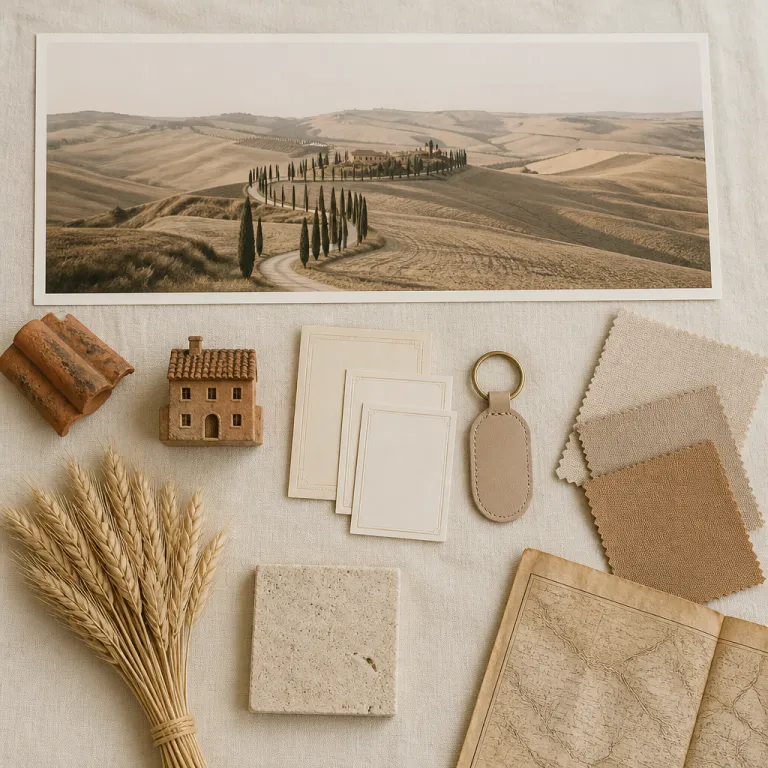
Beyond the cities, the rolling hills of Val d’Orcia and the Chianti area define what is Tuscany famous for in countless photographs. This region of cypress-lined roads, stone farmhouses, and patchwork vineyards is where many discerning guests choose to stay when they visit Tuscany for rest as much as for sightseeing. Here, the focus shifts from museums to landscapes, and from busy streets to the rhythm of wine country.
Chianti, between Florence and Siena, is synonymous with Tuscan wine, and many hotels here are working estates that integrate wine tasting and vineyard walks into daily life. A typical day might begin with breakfast overlooking rows of Sangiovese vines, followed by a guided wine tour through cellars that explain how local food and wine traditions evolved with the land. When you consider what is Tuscany famous for, this direct connection between agriculture, cuisine, and hospitality is central to the region’s identity.
Further south, Val d’Orcia offers softer hills and wide horizons, with towns like Pienza and Montalcino providing some of the best places to visit for guests who value quiet elegance. Hotels in this province often emphasise spa rituals, seasonal Tuscan food, and curated excursions that might include truffle hunting near San Miniato or visits to small wineries. If your idea of a perfect star hotel involves a pool overlooking vineyards, long dinners, and minimal driving, Val d’Orcia and Chianti together answer what is Tuscany famous for in its most relaxing form.
Coastal Tuscany, Massa Carrara, and lesser known provinces
While many travellers focus on Florence, Siena, and Pisa, the coastal provinces of Tuscany reveal another dimension of what is Tuscany famous for. Massa Carrara in the north is known for its marble quarries, where the same stone used by Michelangelo still shapes both art and architecture. Staying in this province lets you combine seaside relaxation with excursions into the Apuan Alps, offering a contrast to the inland hills.
Hotels along the Tuscan coast cater to guests who want Italian beach culture alongside easy day trips to inland cities. You might spend a morning swimming, then drive to a medieval town for lunch, returning to your star hotel in time for an evening wine tasting featuring labels from Chianti and beyond. For travellers who visit Tuscany regularly, these lesser known areas become new places to visit once the main UNESCO heritage sites feel familiar.
Smaller towns such as San Miniato, set between Florence and Pisa, offer a quieter answer to what is Tuscany famous for, with truffles, hilltop views, and a slower rhythm. Choosing a hotel in or near such towns can be ideal if you want to explore multiple provinces without changing base too often. This approach suits guests who value efficient travel, authentic Tuscan food, and the ability to reach both city historic centres and countryside vineyards within an hour’s drive.
How to match your hotel style with Tuscany’s rich history and culture
Once you understand what is Tuscany famous for across its cities and landscapes, the next step is aligning your hotel choice with your priorities. If art and culture are central to your trip, staying in the historic centre of Florence, Siena, or Pisa keeps Italian masterpieces, churches such as Santa Maria Novella, and major piazzas at your doorstep. Guests who value this proximity often choose a star hotel with concierge teams skilled at arranging timed museum entries and private guided tours.
Travellers who place more emphasis on food and wine experiences may prefer rural properties in Chianti, Val d’Orcia, or near San Gimignano. These hotels typically integrate wine tasting, cooking classes, and visits to family-run estates into their offerings, turning the question of what is Tuscany famous for into a daily ritual at the table. When you visit Tuscany with this focus, look for places to visit nearby that combine vineyards, medieval villages, and scenic drives.
Finally, consider practicalities such as transport, season, and how many provinces you hope to explore during your stay. A city base in Florence or Pisa works well if you plan frequent day trips, while a countryside retreat suits guests who prefer fewer moves and deeper rest. Whatever you choose, the essence of Tuscany lies in how seamlessly hotels weave together art, history, landscapes, and hospitality, answering what is Tuscany famous for every time you step outside your room.
Key figures that shape the hotel experience in Tuscany
- Regional tourism reports indicate that Tuscany welcomes a very high number of visitors each year, so early booking is essential for securing a preferred star hotel in Florence, Siena, or Chianti during peak months.
- The region includes several UNESCO heritage sites, such as the historic centre of Florence, the Piazza dei Miracoli in Pisa with its Leaning Tower, the historic centre of Siena, and the Val d’Orcia landscape, giving hotel guests a high concentration of world-recognised attractions within short driving distances.
- From the Renaissance to the present, tourism has grown steadily, with a marked expansion in the nineteenth century that transformed former noble residences and farm estates into refined accommodation across multiple provinces.
- Annual increases in eco-tourism and culinary tourism, highlighted by regional studies, have encouraged more hotels in Tuscany to invest in sustainable practices, vineyard partnerships, and food and wine experiences that respond directly to guest expectations.
FAQ: planning your hotel stay in Tuscany
What is Tuscany famous for when it comes to travel experiences ?
Tuscany is famous for its art, history, landscapes, and cuisine, with cities like Florence, Siena, and Pisa offering world-class museums and medieval streets, while regions such as Chianti and Val d’Orcia provide vineyard-covered hills and celebrated wine. For hotel guests, this means you can combine cultural visits, food and wine experiences, and countryside relaxation in a single trip. The variety of provinces allows you to tailor your stay around art and culture, coastal escapes, or rural retreats.
Which cities should I visit in Tuscany if I have limited time ?
If your time is short, focus on Florence for Renaissance art, Siena for its medieval historic centre, and Pisa for the Leaning Tower and the Piazza dei Miracoli. These cities illustrate what is Tuscany famous for in terms of architecture, museums, and iconic landmarks, while remaining well connected by train and road. From any of them, you can add a day trip to San Gimignano, Chianti, or San Miniato to experience smaller towns and vineyards.
What foods are typical in Tuscany and how do hotels showcase them ?
Typical Tuscan dishes include bistecca alla Fiorentina, ribollita, and panzanella, all rooted in local produce and simple techniques. Many hotels highlight these recipes through tasting menus, cooking classes, and partnerships with nearby trattorie, turning regional food and wine into a central part of the stay. When you book, look for properties that mention seasonal menus, on-site gardens, or collaborations with Chianti and Val d’Orcia wineries.
Is it better to stay in a city or in the countryside in Tuscany ?
Staying in a city such as Florence, Siena, or Pisa is better if you prioritise museums, churches like Santa Maria Novella, and easy access to public transport. The countryside, especially Chianti, Val d’Orcia, and the hills around San Gimignano, excels at offering quiet, vineyard views, and immersive wine tasting experiences. Many travellers combine both by spending a few nights in a historic centre star hotel, then moving to a rural property for the rest of their visit Tuscany itinerary.
How many days do I need to experience the best places in Tuscany ?
A stay of five to seven days allows you to see the best places in Tuscany without rushing, including at least one major city, a medieval town, and a wine region. With this duration, you can balance visits to UNESCO heritage sites, such as the historic centre of Florence or the Piazza dei Miracoli, with slower days in Chianti or Val d’Orcia. If you have more time, adding coastal areas like Massa Carrara or smaller towns such as San Miniato deepens your understanding of what is Tuscany famous for across its diverse provinces.
Trusted references
- UNESCO World Heritage Centre – official listings for sites in Tuscany.
- Regione Toscana – regional tourism board data and visitor statistics.
- Ministero della Cultura (Italy) – information on museums and cultural heritage in Tuscany.