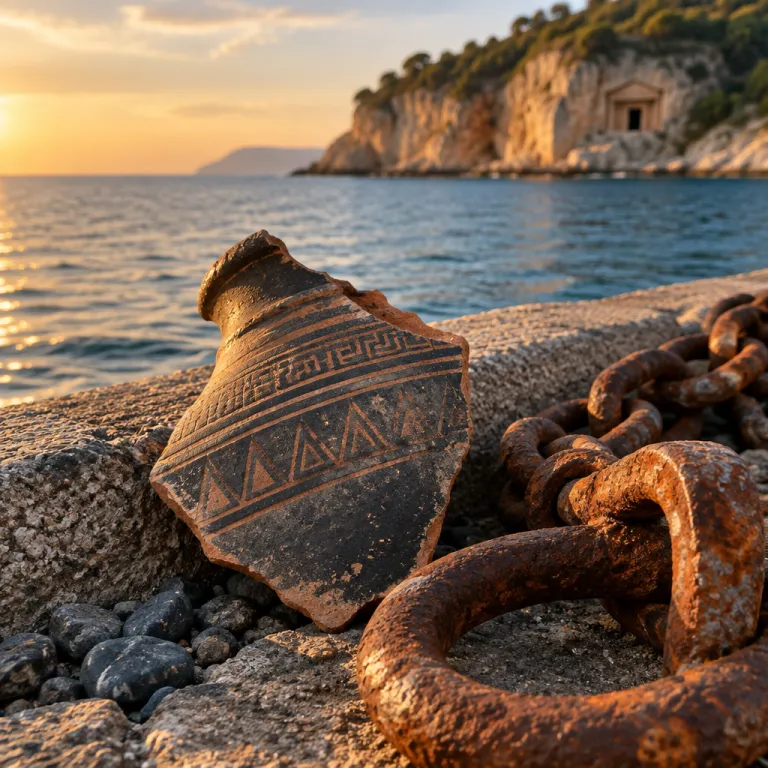
Etruscan tours in Italy along the Tuscan coast: where to stay
The most rewarding Etruscan tours in Italy often begin along the Tyrrhenian shoreline of Tuscany, where sea light softens the outlines of ancient hills. Here the Etruscan civilization once controlled maritime trade routes across central Italy, leaving traces that still shape where you will want to book your hotel. Choosing a coastal base lets you combine relaxed beach days with immersive archaeological visits and refined dinners in small harbours.
Between Livorno and Piombino, the so called Etruscan Coast links seaside resorts with inland archaeological museum collections and necropolises. Staying in this stretch of Italy means you can plan a walking tour in the morning, then swim or sail in the afternoon, including time for a slow aperitivo at sunset. For travellers comparing Etruscan themed itineraries in Italy with other cultural routes, this balance of heritage site access and coastal calm feels especially appealing when you prefer a hotel with character and attentive service.
Base yourself near Castiglioncello or Vada if you want shorter driving times to Pisa, Volterra and the national archaeological areas of the interior. Further south, San Vincenzo and the Gulf of Baratti place you closer to Populonia, one of the most important ancient Etruscan ports in central Italy. From these towns you can arrange a private day tour that combines a guided visit to cliffside tombs with a seafood dinner overlooking the bay.
Many travellers link their Etruscan focused journeys in Italy with a few days in Rome Italy or Florence, then continue north to the Tuscan shore. If you are arriving from Rome, regional trains on the Tirrenica line run up the coast, passing near Tarquinia and other UNESCO heritage landscapes shaped by the Etruscans. From Florence or Cortona, driving west brings you through vineyards and olive groves before the road drops towards the sea and the archaeological museums of the coast.
Choosing the right Tuscan coastal town for an Etruscan themed stay
Each town along the Etruscan Coast offers a different balance of beach life, archaeological interest and hotel style, which matters when you are planning Etruscan tours in Italy focused on the Tyrrhenian shoreline. San Vincenzo suits travellers who want a lively marina, long sandy beaches and easy access to the Baratti and Populonia Archaeological Park. By contrast, smaller villages such as Populonia Alta feel more intimate, with stone lanes, sea views and quick access to ancient tombs hidden in Mediterranean scrub.
For guests who prioritise swimming and family friendly facilities, towns like Cecina Mare and Marina di Castagneto Carducci provide broad beaches and shaded pinewoods. These resorts still sit within comfortable driving distance of key Etruscan museums and heritage site complexes, including the necropolis of Populonia and the archaeological museum in Piombino. When you compare the best Tuscany coastal towns for a beach hotel stay, you can use this guide to choosing Tuscany coastal towns for your beach hotel stay to match your preferred atmosphere with nearby Etruscan sites.
Further north, Castiglioncello appeals to couples seeking quieter coves, refined restaurants and elegant villas once favoured by Italian artists. From here, you can plan day trips to Volterra, where the Etruscans carved alabaster and left imposing walls that still ring the town. This combination of coastal relaxation and inland archaeological travel makes Castiglioncello a strong base for slower paced Etruscan themed trips in Italy that mix seaside walks with hill town excursions.
Whichever town you select, confirm how easily you can reach major archaeological museum collections and necropolises by car or organised tours. Some hotels will arrange a private walking tour with licensed guides who specialise in ancient Etruscan history and the broader Etruscan civilization. Others may simply provide maps and advice, leaving you to design your own day tour that alternates between tomb visits, seaside lunches and evening strolls along the promenade.
Linking Rome, Tarquinia and Tuscany in one Etruscan themed itinerary
Many travellers planning Etruscan tours in Italy start in Rome, where the story of the Etruscans intersects with the rise of the Roman Republic. In Rome Italy, the National Etruscan Museum at Villa Giulia holds one of the world’s finest collections of Etruscan artifacts, including the celebrated Sarcophagus of the Spouses. Nearby, the Gregorian Etruscan Museum inside Vatican City presents grave goods and sculptures that show how Etruscan religion and art influenced early Rome.
From Rome, a logical next step is Tarquinia, a UNESCO heritage town in northern Lazio that once ranked among the most powerful Etruscan cities. Here, painted tombs in the Monterozzi necropolis depict banquets, musicians and athletic games, offering rare insight into ancient Etruscan beliefs about the afterlife. A guided walking tour of the necropolis, combined with a visit to the National Archaeological Museum of Tarquinia, creates a vivid prelude to continuing north into Tuscany.
After Tarquinia, you can follow the coast towards Civitavecchia and then into Tuscany, stopping at lesser known archaeological museums and seaside towns. Travellers comparing different Italian coasts often weigh this route against the Amalfi Coast, and this detailed comparison of Tuscany versus the Amalfi Coast for your Italian escape can clarify which suits your style. For guests who value quieter beaches, wine country access and layered archaeological heritage, the Tuscan shoreline usually pairs better with Etruscan themed travel in Italy that emphasises culture over nightlife.
Once you reach the Gulf of Baratti and Populonia, the narrative begun in Rome and Tarquinia continues in a new coastal setting. Here, cliffside paths lead to tombs cut into rock, while the archaeological park explains how Etruscans controlled iron production and maritime trade. Staying in a nearby hotel allows you to visit these sites early in the day, then return for a relaxed dinner by the sea as you reflect on the arc from Rome Italy to central Italy’s northern shores.
From Cortona to the coast: combining hill towns and Etruscan shores
Some of the most rewarding Etruscan tours in Italy weave together inland hill towns and the Tuscan coast, creating a layered sense of place. Cortona, perched above the Val di Chiana, offers a powerful introduction to Etruscan urban life before you ever see the sea. Massive walls, ancient gates and the MAEC museum (Museo dell’Accademia Etrusca e della Città di Cortona) display Etruscan artifacts that anchor the town firmly in this early civilization.
Spending two or three days in Cortona lets you explore its archaeological museum collections and nearby tombs before driving west to the coast. The road crosses central Italy’s agricultural heartland, passing vineyards and sunflower fields that soften the transition from hilltop stone to maritime light. Once you reach the Etruscan Coast, you can check into a seaside hotel and shift your focus from hill walking tours to coastal archaeological parks.
This inland to coastal arc suits travellers who want both countryside charm and maritime air during their Etruscan themed holidays in Italy. In Cortona, evenings revolve around wine bars, small trattorias and views across the valley, while on the coast, dinner often features freshly caught fish and sea breezes. By structuring your itinerary this way, you will experience how the Etruscans shaped both upland settlements and strategic ports across what is now Tuscany.
Guests planning weddings or extended family stays sometimes choose a countryside property near Cortona or in the Val d’Orcia, then add coastal nights for variety. If you are considering rural venues that still work well for hotel minded travellers, this overview of how Tuscany countryside venues suit hotel focused guests can help align expectations. From such bases, a day tour to the coast remains feasible, especially if you arrange private transfers that link vineyards, archaeological sites and seaside promenades.
Key museums and artifacts to prioritise on an Etruscan themed coastal stay
When you design Etruscan tours in Italy around the Tuscan coast, certain museums and artifacts deserve special attention. In Rome, the National Etruscan Museum at Villa Giulia and the Gregorian Etruscan Museum in Vatican City form an essential starting pair, framing the sophistication of Etruscan art and religion. Together, these institutions showcase grave goods, bronze mirrors, terracotta sculptures and jewellery that later coastal sites help contextualise.
Moving north, the National Archaeological Museum of Tarquinia and the necropolis of painted tombs reveal how elite families expressed status and belief. Scenes of banquets, dancers and musicians in these tombs echo the refined dinners you may enjoy along the Tuscan shore, creating a subtle continuity between past and present. From there, the archaeological museum in Piombino and the visitor centres at the Baratti and Populonia Archaeological Park explain how ancient ports managed metalworking and maritime trade.
On the Tuscan coast itself, smaller archaeological museums often hold remarkable Etruscan artifacts unearthed from nearby tombs and sanctuaries. These collections may include votive offerings, ceramics and tools that illustrate daily life rather than royal splendour, rounding out your understanding of the broader Etruscan civilization. Building time for both national archaeological institutions and local Etruscan museums into your itinerary will deepen every walk among the tombs and coastal ruins.
For travellers who appreciate narrative structure, starting with national collections in Rome Italy, then moving through Tarquinia and finally reaching Tuscan coastal sites, creates a satisfying chronological arc. Each museum visit adds layers of meaning to the next walking tour or day tour among necropolises and harbour remains. By the time you sit down for dinner overlooking the Tyrrhenian Sea, you will see the coastline not just as a beach destination but as a living heritage site shaped by the Etruscans.
Understanding Etruscan tombs, symbols and the coastal landscape
Many guests booking hotels along the Tuscan coast are drawn less by beaches and more by the enigmatic world of Etruscan tombs. In places like Tarquinia and Populonia, burial chambers carved into rock or built as tumuli form entire cities of the dead, mirroring the organisation of the living. Walking through these necropolises during well planned Etruscan tours in Italy reveals how closely the Etruscans linked landscape, religion and social hierarchy.
Inside painted tombs, scenes of banquets, athletic contests and musicians suggest a belief in a joyful afterlife, even as darker symbols hint at more complex ideas. References to the underworld, sometimes called the tomb infernal in modern descriptions, appear in certain iconographic programmes that fascinate archaeologists. One famous chariot, often referred to as the infernal chariot, illustrates how mythological journeys between worlds were imagined in ancient Etruscan art.
Grave goods found in these tombs, from bronze mirrors to finely worked jewellery, now reside in national archaeological museums and local collections along the coast. When you stand before these objects in an Etruscan museum, then later walk among the tombs where they were unearthed, the connection feels immediate. This interplay between museum visit and on site walking tour is what gives many Etruscan tours in Italy their particular emotional depth.
The coastal setting itself reinforces these themes, as cliffs, coves and wooded headlands frame both tomb entrances and modern beaches. From certain viewpoints near Populonia, you can see islands that once formed part of Etruscan trade networks across central Italy. Ending your day tour with a quiet moment overlooking this seascape, you will sense how the Etruscans chose locations that still command attention.
Practical tips for hotel bookings and day tours along the Etruscan Coast
Planning Etruscan tours in Italy along the Tuscan coast works best when you align hotel choices with your preferred pace of exploration. If you intend to focus on archaeological sites and museums, choose a hotel within a 30 minute drive of key heritage site complexes such as Baratti and Populonia. This proximity allows you to visit early in the day, before heat and crowds build, then return for a leisurely lunch or afternoon swim.
Guests who value guided interpretation should look for hotels that collaborate with licensed guides specialising in ancient Etruscan history. Such properties can arrange private day tours that link multiple archaeological museum visits with walking tours of necropolises and coastal paths. When you reserve, ask whether these tours include transport, entry tickets and time for dinner stops in atmospheric villages along the route.
Transport logistics also shape how you experience Etruscan themed travel in Italy, especially if you are combining Rome Italy, Tarquinia and the Tuscan coast. Renting a car offers maximum flexibility for spontaneous stops at smaller Etruscan museums and viewpoints, though parking in high season requires patience. Travellers who prefer not to drive can rely on trains on the coastal line and private transfers, using towns such as San Vincenzo or Cecina as hubs for organised tours that reach inland sites.
Finally, consider seasonality when booking hotels along the Etruscan Coast, as summer brings both vibrant beach life and higher rates. Spring and early autumn often provide ideal conditions for archaeological travel, with mild temperatures for walking tours and quieter museums. Whatever the month, a carefully chosen coastal base will let you move easily between sea, tombs and national archaeological collections, creating a coherent narrative for your journey through the world of the Etruscans.
Key figures and facts about Etruscan heritage and coastal travel
- UNESCO currently recognises the Etruscan necropolises of Cerveteri and Tarquinia as World Heritage Sites, highlighting their outstanding painted tombs and urban planning value within central Italy.
- The National Etruscan Museum at Villa Giulia in Rome houses several thousand catalogued Etruscan artifacts, ranging from monumental terracottas to everyday grave goods from across Italy.
- The Baratti and Populonia Archaeological Park extends across a wide coastal landscape that combines industrial remains, acropolis ruins and necropolises accessible via marked walking trails.
- Travel data from regional tourism offices indicate that overnight stays along the Etruscan Coast have grown steadily over the past decade, with cultural tourism and archaeological visits forming a significant share of arrivals.
- Typical driving time from Rome to the Gulf of Baratti is around three hours, while the journey from Cortona to the same coastal area usually takes about two hours, making combined inland and coastal itineraries practical.
FAQ about Etruscan themed stays on the Tuscan coast
Which Tuscan coastal town is best for Etruscan sites and beaches combined ?
The Gulf of Baratti and nearby San Vincenzo offer one of the strongest combinations of sandy beaches and direct access to major Etruscan sites. From here, you can reach the Baratti and Populonia Archaeological Park in minutes while still enjoying a full range of seaside hotels and restaurants. This makes the area particularly suitable for travellers who want both relaxed swimming and substantial archaeological visits during the same stay.
How many days should I plan for Etruscan tours in Italy along the coast ?
A minimum of three full days on the Tuscan coast allows time for one major archaeological park, at least one museum and some unhurried beach hours. Many travellers extend to five or six days to include Tarquinia, additional Etruscan museums and inland towns such as Volterra or Cortona. Longer stays also make it easier to schedule guided walking tours in cooler morning or evening slots.
Do I need a car to visit Etruscan sites from a coastal hotel ?
A car offers the greatest flexibility for reaching scattered tombs, small archaeological museums and panoramic viewpoints along the Etruscan Coast. However, it is still possible to rely on trains and organised day tours from larger towns such as San Vincenzo or Cecina. If you prefer not to drive, choose a hotel that works closely with local guides and transfer companies.
Can I combine Rome, Tarquinia and the Tuscan coast in one itinerary ?
Yes, many travellers design Etruscan tours in Italy that begin in Rome, continue to Tarquinia and finish on the Tuscan coast. This route follows the historical spread of Etruscan influence from inland centres to maritime hubs, while keeping travel times manageable. Planning at least one week for this arc allows you to include national archaeological museums, UNESCO heritage necropolises and coastal parks without rushing.
Are Etruscan sites suitable for families with children ?
Most Etruscan sites along the Tuscan coast welcome families, and many children enjoy exploring tomb entrances, coastal paths and interactive museum displays. Choosing shorter walking tours, scheduling visits in cooler parts of the day and combining archaeology with beach time helps maintain energy and interest. Parents should check in advance about stroller access and any age restrictions for specific tomb interiors or guided tours.