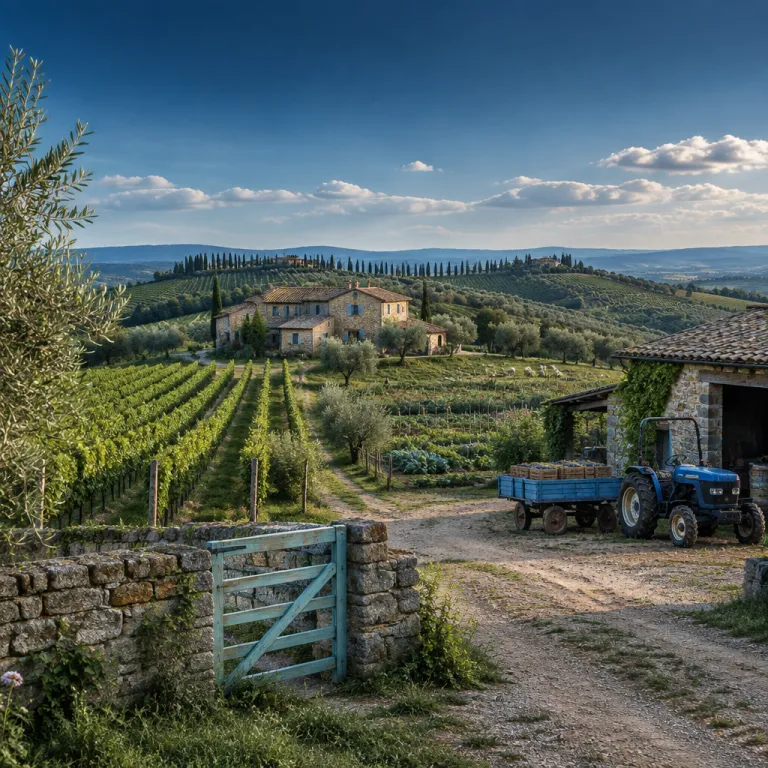
What “best agriturismo in Chianti” really means for a working farm stay
The phrase best agriturismo in Chianti is thrown around so casually that many travelers arrive at a polished country hotel and never see a tractor move. A true agriturismo in Chianti, and across Tuscany, is a legally defined farm stay where most income still comes from agriculture, not from the pool or the spa, and where guests can see and often join real work in the vineyards or olive groves. When you compare options for your stay, look for agriturismi that list certified wine and olive oil production, specify the hectares under vines or olives, and describe seasonal activities rather than just room categories.
Start with the basics of agriturismo Tuscany regulations, which require that the property is a working farmhouse with land, crops or animals, and that food served is largely from the farm or the immediate area. The best agriturismo in Chianti will usually show its agricultural side first — barrels, presses, barns, fields — and only then talk about the pool, the rooms and the cooking classes, because the farm is the core business and hospitality is the extension. When a place in Chianti Tuscany leads with infinity pool photos and vague mentions of “our estate” but no details on grape varieties, olive harvest or farmhouse cooking, you are probably looking at a hotel with a rural aesthetic rather than a genuine farm stay.
Ask direct questions before you book your stay, because the answers will reveal whether the agriturismo experience is real or decorative. Request clarity on how many nights are required, how many adults and children they usually host, and whether there are family friendly activities such as egg collecting, vineyard walks or a short cooking class using garden produce. A host who replies with specifics about harvest dates, wine olive tastings, stays cooking around the seasons and the rhythm of farm work is usually running one of the best agriturismi in Chianti, while a host who only lists check-in times and pool hours is probably not.
Reading the landscape: where in Chianti to base your farmhouse stay
Choosing the best agriturismo in Chianti also means choosing the right valley, because the landscape shapes your days as much as the farmhouse itself. Around Greve in Chianti, the hills are gentle, the vineyards are close to the road, and agriturismi often combine wine production with easy access to the main piazza of Greve, where travelers can stroll for an evening gelato after a long day in the vines. Further south toward Radda in Chianti and Castellina in Chianti, the slopes steepen, the woods thicken and the farm stays feel more remote, which suits guests who want a quieter Tuscan stay with dark skies and long, slow nights.
Look at a map of Chianti Tuscany and trace the Val di Pesa between San Casciano in Val di Pesa and the smaller hamlets that climb toward the Chianti Classico ridgeline. An agriturismo Tuscany stay here gives you a strategic base between Florence and Siena, with wine estates on your doorstep and day trips that never feel rushed, especially if you are planning a romantic itinerary or even a longer honeymoon route through the vineyards. For couples considering agriturismi as an alternative to a traditional hotel, curated romantic itineraries in Florence, Siena and Chianti, such as those described in dedicated Tuscany honeymoon and Chianti wine route resources, can help you compare regions and decide whether you want more art or more agriculture at the heart of your stay.
On the eastern side, near Gaiole and the high forests, the best agriturismo in Chianti for many adults and children will be one that balances isolation with access, perhaps a farmhouse on a white road that still sits within a thirty minute drive of Siena for a museum day. Around Greve Chianti and toward Podere Campriano and similar small wine estates, you will find agriturismi where the focus is on Chianti Classico wine, cellar visits and cooking classes that end with long communal dinners. If you prefer to compare different farm stays before booking, think of each micro area — Greve, Radda, Castellina, San Casciano and the Val di Pesa — as a different chapter of the same Tuscan story, then choose the chapter whose pace matches your own.
How to spot a genuine farm behind the pretty pool and pergola
Many travelers searching for the best agriturismo in Chianti are really looking at photos of a pool and a pergola, which tell you almost nothing about the agricultural life of the place. A real agriturismo in Tuscany will usually show its vines in different seasons, its olive oil mill, its vegetable garden and sometimes its animals, because these are the sources of both income and pride, and they shape the daily experience of your stay. When you compare properties, look for mentions of grape varieties, olive tree numbers, harvest dates and specific products, not just generic references to “our wine” or “our extra virgin olive oil”.
On arrival, the best agriturismo in Chianti feels like a farm first and a guesthouse second, with tractors parked under sheds, tools stacked by the barn and perhaps a faint smell of must or hay in the air. The farmhouse buildings may be centuries old, but the work is current, and you might see workers pruning vines, checking fermentations or bottling wine olive oil blends while you walk to your room. A place that calls itself a luxury agriturismo yet has no visible fields, no cellar and no sign of seasonal work is more likely a countryside hotel using agriturismo as a mood rather than a legal and agricultural reality.
Ask whether you can join a cooking class that uses vegetables from the garden, eggs from the hens and the farm’s own flour or olive oil, because this is where the agriturismo concept becomes tangible. Some of the best agriturismi in Chianti offer short farmhouse cooking sessions in the late afternoon, followed by a shared dinner where guests taste the estate’s Chianti Classico and compare notes on the day’s work in the vines. If you are planning a longer Tuscan trip and want to mix farm stays with other types of accommodation, curated overviews of the best towns to stay in Tuscany can help you decide when to book a farmhouse stay and when to choose a more urban base, so that each night feels intentional rather than improvised.
Matching the agriturismo to your travel style, from families to couples
The best agriturismo in Chianti for a couple seeking quiet is rarely the best choice for a family with energetic children, so you need to be honest about your travel style. For adults and children traveling together, a family friendly agriturismo in Tuscany usually means a safe pool area, flexible mealtimes, short cooking classes or farm activities, and enough outdoor space that younger guests can roam without disturbing others. When you compare agriturismi, look for mentions of farm animals, simple stays cooking with grandparents in the kitchen, and relaxed farmhouse dinners where noise is expected rather than frowned upon.
Couples, especially those using Chianti as part of a longer Tuscan honeymoon, often prefer smaller agriturismi with fewer rooms, longer dinners and quieter nights, where the main sounds are cicadas and the occasional tractor returning from the fields. In this case, the best agriturismo in Chianti might be a working wine estate near Radda Chianti or Castellina Chianti, where tastings focus on Chianti Classico, extra virgin olive oil and perhaps a small production of grappa, and where the pool is more for a late afternoon swim than for all day lounging. If you want hotel style services such as daily housekeeping and concierge help but still crave a rural setting, curated Tuscany villa rentals with pool for hotel minded travelers can bridge the gap between independent farm stays and full service properties.
Think about how many nights you want to spend on the farm, because the rhythm of agriturismo life rewards those who stay at least three or four nights rather than just one. A single night can feel like a photo stop, while several nights allow you to join a cooking class, watch the light change over the vines and see how the work shifts from morning to evening. The best agriturismi in Chianti understand this and often structure their stays around weekly rhythms — harvest weeks, pruning periods, olive picking days — so ask which period will give you the most authentic experience for your particular style of travel.
Seasonality, participation and why autumn quietly wins in Chianti
When travelers ask about the best agriturismo in Chianti, they often focus on summer, yet the farm calendar tells a different story. Autumn in Tuscany is when grapes are harvested, olives begin to ripen and the air cools enough that working in the fields becomes a pleasure rather than a test, which makes this the ideal season for a stay that prioritizes participation over pool time. If you time your agriturismo stay for the harvest period, you may be able to watch grape sorting, taste fermenting must and join early morning walks through the vines before the tractors start their rounds.
During these weeks, the best agriturismi in Chianti often offer special experiences that go beyond standard wine tastings and cooking classes, such as joining the olive harvest for a few hours or helping to prepare a farmhouse cooking lunch for the harvest team. Children can learn where olive oil really comes from, adults can compare different Chianti Classico vintages with the winemaker, and everyone can sit down together at long tables where the conversation ranges from soil types to local gossip. This is agriturismo at its most Tuscan and most human, far removed from the polished anonymity of a countryside hotel that happens to overlook vineyards but never lets you touch the land.
Seasonality also affects pricing and availability, because the best agriturismo in Chianti will often be booked solid in high summer by guests who mainly want a pool and a view. If you can travel in shoulder seasons, you will find more space, more time from your hosts and more chances to join real farm work, whether that is pruning in late winter, bottling in spring or harvesting in autumn. For travelers who like to compare different regions, remember that a lakefront escape on Lake Maggiore offers a very different rhythm from a Chianti farm stay, so think of each trip as a separate chapter rather than trying to fold every Italian landscape into a single, rushed itinerary.
Practical questions to ask before you book an agriturismo in Chianti
By the time you have shortlisted a few candidates for the best agriturismo in Chianti, your final decision will come down to the questions you ask and the clarity of the answers. Start with meals, because food is where agriturismo either proves its farm credentials or quietly reveals that it is buying most ingredients from elsewhere, and ask how many dinners are served each week, whether menus change with the seasons and how much of the produce comes from the farmhouse itself. A host who talks about their own wine, their own olive oil, their garden vegetables and their grandmother’s recipes is usually offering a more rooted Tuscan experience than one who simply lists “restaurant on site”.
Next, ask about activities and classes, because these shape the texture of your stay as much as the room itself. Do they offer a structured cooking class, short informal cooking classes for children, or more immersive stays cooking where guests help prepare several courses over an afternoon, and are these linked to the agricultural calendar. The best agriturismi in Chianti will often mention specific experiences such as truffle walks, vineyard pruning lessons or olive picking days, while less authentic places might only offer generic yoga sessions by the pool that could happen anywhere in the world.
Finally, clarify logistics such as minimum nights, road access and whether you need a car, because many of the most rewarding farm stays sit at the end of white roads that are beautiful but slow to drive. Ask how far the agriturismo is from Greve, Radda, Castellina, San Casciano or Siena, and whether there is public transport or taxis for nights when you do not want to drive after wine tastings. The best agriturismo in Chianti is not the one with the glossiest photos, but the one whose answers make you feel that you are stepping into a living farm, not just a staged backdrop — not the guidebook, but the tenth kilometer of white road.
FAQ
How is an agriturismo in Chianti different from a regular countryside hotel?
An agriturismo in Chianti is a legally defined farm stay where most income comes from agriculture, while a regular countryside hotel may simply be located among vineyards without running a working farm. At a true agriturismo, you should see active vineyards, olive groves or animals, and food should feature the farm’s own produce. In a standard hotel, the focus is usually on rooms, services and views rather than on participation in farm life.
How many nights should I plan for a farm stay in Chianti?
For a meaningful agriturismo experience in Chianti, plan at least three or four nights rather than a single overnight stop. This gives you time to join a cooking class, walk the vineyards at different times of day and see some of the ongoing farm work. Shorter stays can feel rushed and may reduce your chances to participate in seasonal activities such as harvest or olive picking.
Is an agriturismo in Chianti suitable for families with children?
Many agriturismi in Chianti are very suitable for families, especially those that describe themselves as family friendly and mention specific activities for children. Look for properties with safe pool areas, outdoor space, animals to visit and simple cooking classes or garden activities designed for younger guests. Always ask the host how they usually accommodate families and whether there are quiet hours or adult focused areas you should be aware of.
Do I need a car to stay at an agriturismo in Chianti?
In most cases, you will need a car to stay comfortably at an agriturismo in Chianti, because many farms sit along rural white roads with limited or no public transport. A car allows you to reach nearby towns such as Greve, Radda, Castellina, San Casciano or Siena for day trips and restaurant options. If you prefer not to drive, ask the agriturismo about taxi services or transfers, but be aware that these can be limited and more expensive than in cities.
When is the best season to book an agriturismo in Chianti?
Autumn is often the best season to book an agriturismo in Chianti if you want to experience harvest activities and cooler weather. During this period, you may see grape picking, early olive harvesting and cellar work, which adds depth to your stay. Spring and early summer are also pleasant, but high summer can be busier and more focused on pool time than on participation in farm life.
Sources
Regione Toscana tourism portal ; Consorzio Vino Chianti Classico ; Italian National Tourist Board (ENIT).