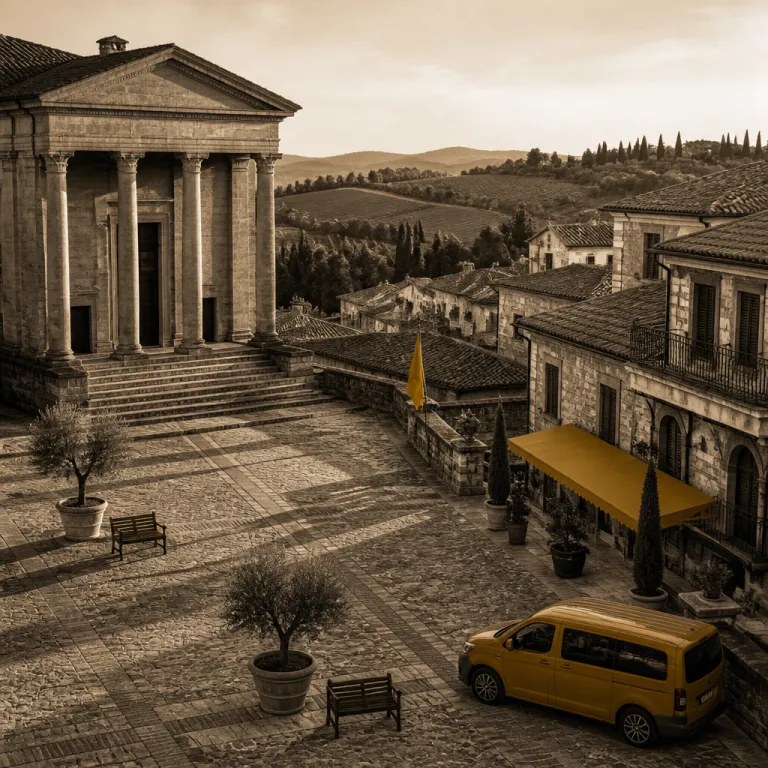
How the best museums in Tuscany Italy shape your hotel choice
Choosing where to stay in Tuscany becomes easier when you map hotels against the best museums in Tuscany Italy and their surrounding neighbourhoods. In a region where every city feels like an open air museum, aligning your base with key art and archaeological museum districts saves time and deepens your sense of place. For travellers planning three days or more, this simple lens turns a good trip into an immersive journey through Italian art culture, with less time lost in transit and more hours in front of the works you came to see.
In Florence, the Uffizi Gallery and the Accademia Gallery anchor a dense museum center that rewards a stay within walking distance of the historic core. Here you can visit one world famous museum in the morning, return to your hotel for a quiet pause, then head out again for evening strolls around Piazza della Signoria or the Duomo complex without ever needing a taxi. This rhythm matters when you want to read, reflect, and truly absorb the works of art rather than rush between distant districts or spend money on repeated rides across town.
Siena, Pisa, and San Gimignano each offer a different balance between cathedral complexes, civic museum collections, and smaller diocesan museum spaces. In Siena the Santa Maria della Scala complex and the cathedral including the Museo dell’Opera del Duomo sit right above the medieval streets where many refined hotels occupy former palazzi. In Pisa, staying near the Campo dei Miracoli places you close to the cathedral, the Leaning Tower, and the Museo dell’Opera del Duomo while still allowing easy rail access to other cities in Tuscany and beyond, often in under 90 minutes on regional trains according to current timetables.
Florence: Uffizi, Accademia, and the cathedral museums
Florence is the natural starting point for anyone focused on the best museums in Tuscany Italy, especially if you plan three days dedicated to art. The Uffizi Gallery alone receives several million visitors annually, making it the most visited museum in Tuscany and one of the most famous in Italy; recent figures published by the Italian Ministry of Culture confirm its position at the top of national rankings. Staying near the historic center lets you reach the Uffizi, the Accademia, and the cathedral museums on foot, which is invaluable when you want to revisit a favourite collection or specific works of art without worrying about bus timetables.
Within the Duomo complex, the Museo dell’Opera del Duomo presents a museum sacred to the story of Florence’s cathedral including its façade sculptures and Brunelleschi’s engineering marvels. This museum opera del Duomo houses masterpieces moved from the cathedral for conservation, so you see original works of art in controlled light while the cathedral itself remains a living place of worship. Hotels around Piazza del Duomo and Piazza della Signoria tend to be in historic buildings, giving you short walks to both sacred art spaces and civic museum institutions such as Palazzo Vecchio, often in less than ten minutes.
Beyond Renaissance icons, Florence’s museum landscape includes smaller spaces dedicated to sacred art and diocesan museum collections in former convents and churches. These quieter museums often allow you to read detailed labels in peace, study the brushwork at close range, and appreciate how religious art culture shaped daily life in the city. When comparing hotels, consider whether you prefer to wake to the sound of bells near Santa Maria del Fiore or stay slightly outside the center with easier car access for day trips across Tuscany; in both cases, check typical opening hours of major galleries, usually from mid-morning to late afternoon with last entry about an hour before closing, as stated on official museum pages.
Siena and San Gimignano: medieval skylines and museum quiet
Siena offers a more intimate experience of the best museums in Tuscany Italy, ideal if you enjoy walking everywhere from your hotel. The city’s historic center is compact, so a room near Piazza del Campo or the cathedral places you within minutes of major museums and quiet side streets. This proximity lets you alternate intense museum visits with slow coffees in sunlit squares, a balance many travellers underestimate when they plan only quick day trips.
The cathedral complex includes the Museo dell’Opera del Duomo, where sculpture and sacred art from the Duomo are displayed with carefully controlled light. Nearby, Santa Maria della Scala has transformed from a medieval hospital into a vast museum center that combines archaeological museum sections, contemporary installations, and spaces devoted to Siena’s civic museum heritage. Staying close by means you can explore its underground archaeological galleries in the morning, then return later to read interpretive panels about the city’s social history without feeling rushed, especially if you buy combined tickets that cover several sites for one or two days as suggested on local ticketing information.
San Gimignano, though smaller, holds its own place among the best museums in Tuscany Italy thanks to its towers and concentrated art culture. The civic museum in the Palazzo del Popolo, together with the museum sacred art collection in the adjacent church, offers a focused look at local painting and sculpture. Choose accommodation inside the walls if you want to wander from museum to cathedral in minutes, or stay in the surrounding Val d’Orcia and nearby countryside for views of the skyline framed by vineyards, allowing about 30 to 60 minutes’ driving time between rural hotels and the town gates based on current road conditions.
Pisa and coastal Tuscany: beyond the Leaning Tower
Pisa is often treated as a quick stop, yet it deserves a place in any itinerary built around the best museums in Tuscany Italy. The monumental Piazza dei Miracoli concentrates the cathedral, the Leaning Tower, the baptistery, and the Museo dell’Opera del Duomo in a single extraordinary ensemble. Booking a hotel within walking distance allows you to visit early or late in the day, when the light softens and the crowds thin, and to climb the tower or enter the cathedral at your reserved time without crossing the city in a hurry.
The Museo dell’Opera del Duomo in Pisa preserves sculpture, textiles, and liturgical objects removed from the cathedral including delicate wooden works of art vulnerable to humidity. Nearby, the diocesan museum and smaller museum sacred spaces hold paintings and reliquaries that reveal how this maritime city once projected its power through art. When you stay close to the center, you can move easily between these collections and the riverfront, using the Arno as your visual lens on the city’s layered history and returning to your room for a break during the midday heat.
Just outside Pisa, the Natural History Museum at Calci offers a different kind of museum experience within Tuscany, with geological and zoological collections that appeal to families and curious adults. This museum, housed in a former charterhouse, pairs well with coastal stays where you divide your time between the sea and cultural visits inland. If you plan three days in the area, consider one day for Pisa’s cathedral complex and museum opera del Duomo, one for the Natural History Museum, and one for excursions along the coast, allowing roughly 30 minutes by car or bus between Pisa and nearby beaches according to current regional transport schedules.
Etruscan roots and archaeological museum networks across Tuscany
Beyond the headline galleries, the best museums in Tuscany Italy include a rich network of archaeological museum institutions that illuminate the region’s Etruscan roots. Cities such as Volterra, Chiusi, and Cortona host major Etruscan museum collections, often housed in former palaces with views across the countryside. Staying in or near these towns lets you explore archaeological sites in the morning and read about the finds in nearby museums later the same day, usually on combined tickets that cover both excavations and indoor displays, as outlined on municipal museum notices.
In many Tuscan cities, the civic museum, the diocesan museum, and the archaeological museum form a triangle that explains how power, faith, and daily life intertwined. You might start in a civic museum to understand the political history, continue to a museum sacred art collection to see how belief shaped imagery, then finish in an archaeological museum to trace the deeper Etruscan layers beneath the streets. This sequence works especially well if you base yourself in a central hotel and plan three days focused on one city and its surroundings, using regional trains or buses for short hops of 30 to 60 minutes between nearby towns.
The Val d’Orcia and southern Tuscany reward travellers who combine rural stays with targeted museum visits in nearby hill towns. Here, smaller museums often hold surprising works of art, including altarpieces moved from remote churches and archaeological finds from local necropolises. When choosing accommodation, consider driving distances in kilometres between your agriturismo and each museum center, so you can balance long lunches with unhurried time in front of ancient Etruscan urns and medieval panels, and still return before closing times in the late afternoon or early evening.
Planning three days around Tuscany’s museums from your hotel
Designing an itinerary around the best museums in Tuscany Italy becomes far easier once you anchor it to a single hotel for at least three days. For many travellers, Florence works best as a first base, with one day for the Uffizi, one for the Accademia and cathedral museums, and one for a day trip by train to Pisa or Siena. This structure reduces packing, maximises museum time, and lets you return to familiar streets each evening, following a simple rhythm of morning gallery visits, a long lunch, and quieter walks or smaller collections in the late afternoon.
If you prefer a quieter atmosphere, Siena or a town near the Val d’Orcia can serve as your main center, with day trips to San Gimignano, smaller civic museum collections, and Etruscan museum sites. In this case, look for hotels that offer early breakfasts, so you can reach each city or archaeological museum at opening time and enjoy the galleries before tour groups arrive. Use public transport where possible, as regional trains and buses connect many museum rich cities across Tuscany and reduce parking stress in historic centers; travel times between major hubs are often under two hours according to current regional schedules.
Whichever city you choose, purchase tickets in advance for the most famous museums and read the latest opening hours carefully. Many institutions now offer virtual tours, audio guides, and mobile apps, which you can download at your hotel using reliable Wi‑Fi before you visit. As local cultural organisations often remind visitors, “Purchase tickets in advance. Check opening hours. Use public transport.”
Key figures for museum travel in Tuscany
- The Uffizi Gallery welcomes several million visitors per year, making it by far the most visited museum in Tuscany and a major anchor for hotel demand in central Florence (based on recent official reports from the Italian Ministry of Culture).
- The Accademia Gallery also receives well over a million visitors annually, so timed entry reservations are strongly recommended if you plan to see Michelangelo’s David during a short stay (check current figures on the official site).
- Many Tuscan museums operate six days per week, with closures typically on Monday or Tuesday, which means travellers staying three days should always check individual calendars before fixing hotel dates.
- Key museum districts such as Florence’s historic center and Pisa’s Piazza dei Miracoli are within roughly 1 kilometre walking radius, so choosing a hotel nearby can save more than an hour of daily transport time.
FAQ about museums and hotel stays in Tuscany
What is the most visited museum in Tuscany and where should I stay nearby ?
The most visited museum in Tuscany is the Uffizi Gallery in Florence, which sits just off the Arno in the historic center. To minimise walking and queues, stay in a hotel within about 800 metres of Piazza della Signoria or the Duomo, so you can reach both the Uffizi and the Accademia on foot and return easily for a rest between timed entries.
Are there discounts for students in Tuscan museums ?
Many museums across Tuscany offer reduced tickets for students from European Union countries and, in some cases, for international students with valid identification. When booking your hotel, ask the reception team to confirm current policies for the Uffizi, Accademia, and local civic museum collections, as rules can change and some discounts apply only to specific age ranges or days of the week.
Is photography allowed inside museums in Florence, Siena, and Pisa ?
Photography policies vary by museum, even within the same city, and some allow photos without flash while others prohibit cameras entirely. Always read the posted rules at the entrance or ask staff, and avoid using a bright lens or flash that could disturb other visitors or damage sensitive works of art; in crowded rooms, keep your camera close to avoid blocking views.
How many days should I plan for the best museums in Tuscany Italy ?
For a first visit focused on the best museums in Tuscany Italy, plan at least three days in Florence plus two or three additional days divided between Siena, Pisa, and one smaller town such as San Gimignano. This pace allows you to enjoy major collections, cathedral museums, and archaeological sites without rushing between cities, and still leave time for evening walks, meals, and rest.
Should I book museum tickets before or after choosing my hotel ?
For peak periods, reserve hotel and museum tickets in parallel, checking Uffizi and Accademia availability before fixing your exact dates. Once your main museum visits are secured, you can add flexible days for smaller diocesan museum spaces, Etruscan museum collections, and civic museum visits around your chosen base, adjusting train times and local transport after you know your entry slots.