Why tuscany italy on a budget is perfect for countryside hotel stays
Tuscany rewards travellers who slow down and stretch every euro with care. When you plan tuscany italy on a budget, the countryside around Florence and the Chianti hills becomes an elegant yet attainable base. Over a few days in the region, you can balance the cost of a refined stay with free experiences in city squares, vineyards, and medieval villages scented with rosemary and wood smoke.
Many visitors focus only on the city of Florence, yet a short day in the Chianti countryside often delivers better value and quieter nights. The cost of a room in rural Tuscan farmhouses is usually lower than in the historic city centre, while views over vineyards and olive groves feel priceless at sunset. This is where Tuscany offers its most authentic food, wine, and art of living, especially for those who want to stay in the region without overspending.
Think of a budget friendly trip to Tuscany, Italy as a sequence of well chosen places rather than a rushed checklist of cities. One day might be dedicated to Florence–Siena connections by train, while another day is reserved for a slow drive by car through the Chianti hills. With this rhythm, you can visit major art and architecture landmarks in Europe Italy and still keep your overall Tuscany budget under control.
Planning your days between florence, chianti hills, and romantic hill towns
Start with at least three days split between the city Florence and the countryside, then add extra days if you love wine tasting or rural walks. One day in Florence can focus on the Duomo complex with the cathedral of Santa Maria del Fiore, while another day explores quieter neighbourhoods and free viewpoints over the city such as Piazzale Michelangelo. A third day works beautifully for a loop through Chianti by car, linking Florence–Siena roads with vineyard stops and small villages.
For couples balancing tuscany italy on a budget with romance, a night in the Chianti hills can feel more intimate than staying only in the city. Consider using curated honeymoon itineraries in Florence, Siena, and Chianti as inspiration, then adapt them to your own Tuscany budget. Replace some guided tours with free walks through vineyards or small piazza del markets, and you will save money without losing atmosphere.
Hill towns such as San Gimignano, Siena, and Pisa fit naturally into a multi day route that keeps costs reasonable. You might spend one day exploring San Gimignano towers and tasting local wine, then another day between Siena–Pisa highlights connected by regional trains. Each city offers free access to historic streets and squares, so you can enjoy art, architecture, and medieval ambience while reserving your euros for food, wine, and a characterful stay in the Tuscan countryside.
Choosing where to stay: city florence or chianti countryside retreats
When weighing tuscany italy on a budget, the first decision is whether to sleep in the city Florence or in the Chianti countryside. Staying in Florence places you close to Santa Maria del Fiore, the Uffizi, and the Arno, but the cost per night is usually higher. A rural stay in Tuscany in Chianti or near San Gimignano often reduces accommodation cost while giving you more space, gardens, and views.
Many travellers now blend both options, booking two or three days in Florence followed by several days in a countryside retreat. This split stay lets you enjoy the energy of a European art city, then unwind among vineyards where Tuscany offers quieter nights and easier parking for your car. To refine your choice, consult guides on what Tuscany is famous for and how to choose the right hotel, then filter options by budget, access to public transport, and proximity to wine routes.
For travellers focused on art and architecture, a base in Florence or Siena keeps museums and churches within walking distance. If your priority is wine tasting, olive oil estates, and hidden gems in the hills, then a farmhouse or small hotel in Chianti or near San Gimignano is usually better. Either way, booking early, travelling outside peak holiday periods, and staying at least several days in each place will help you save money while still enjoying the best of Europe Italy.
How to experience florence, siena, and san gimignano on a realistic budget
In Florence, many of the most memorable experiences are free or low cost if you plan ahead. Walking around the cathedral of Santa Maria del Fiore, crossing the Ponte Vecchio, and exploring Oltrarno streets all cost nothing, while they immerse you in centuries of art and architecture. Reserve your paid museum visits for one concentrated day, then use other days for open air city wandering that keeps your Tuscany budget under control.
Siena rewards slow travel with its shell shaped Piazza del Campo, where you can sit on the bricks and watch daily life unfold. The combination of Florence–Siena in a single trip gives you two very different city atmospheres, one Renaissance and one Gothic, without adding much extra cost if you use regional trains. According to Trenitalia’s regional timetable in 2024, the journey usually takes about 1.5 hours and standard fares often start around 10 euros when booked in advance.
From Siena, day tours or self guided drives can take you to San Gimignano, where stone towers rise above vineyards and where wine tasting rooms often offer affordable flights of local Vernaccia. Linking Siena–Pisa in one day is possible by train, though many travellers prefer to dedicate a full day to each city. Pisa’s Campo dei Miracoli, with its Leaning Tower and cathedral, offers another cluster of free or low cost sights if you are selective about which monuments you enter.
Chianti countryside retreats: wine, olive oil, and car free escapes
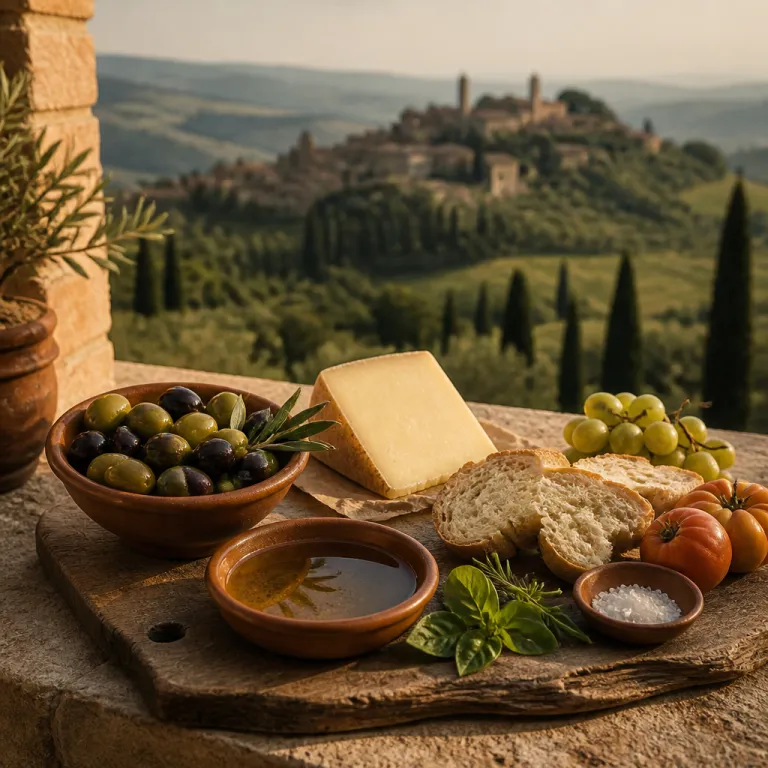
The Chianti hills between Florence and Siena are ideal for travellers who want tuscany italy on a budget without sacrificing scenery. Here, vineyards, cypress lined lanes, and stone farmhouses create the archetypal Tuscan landscape that many visitors imagine before they arrive in Italy. Staying several days in this countryside lets you slow your travel pace, reduce daily transport cost, and enjoy free pleasures such as sunrise walks among vines and evening cicadas.
While having a car gives you flexibility to reach remote places, it is not essential for every stay in Chianti. Some estates arrange transfers from nearby train stations, and a few villages along the Florence–Siena route have bus connections that support car free days. When you do rent a car, plan your routes carefully so that each day combines wine tasting, olive oil mills, and small towns, which keeps fuel cost reasonable.
Many Chianti properties include access to pools, shared kitchens, and gardens, all of which support a budget conscious Tuscany itinerary by reducing restaurant spending. For example, agriturismi such as Fattoria La Loggia or Fattoria di Corsignano typically offer self catering facilities and seasonal pool access, allowing you to cook simple Tuscan dishes with local produce. For hotel minded travellers who still want the space and value of rural stays, curated Tuscany villa rentals with pool offer a middle ground between full service hotels and independent villas.
Food, wine tasting, and tours that respect your tuscany budget
Eating well in Tuscany does not require extravagant spending if you follow local habits. Many restaurants offer a fixed price lunch menu that includes simple Tuscan dishes, house wine, and water at a lower cost than dinner. In the evening, you can shift to aperitivo culture, where a glass of wine often comes with generous free snacks that can almost replace a full meal.
Wine tasting in Chianti, San Gimignano, and other countryside areas ranges from complimentary cellar visits to structured tours with food pairings. To keep tuscany italy on a budget, mix one or two paid tastings with free or low cost visits to cooperative wine shops, where you can sample several labels for a modest fee. Buying bottles directly from producers not only supports local Europe Italy agriculture but can also save money compared with tourist heavy city shops.
Guided tours in Florence, Siena, and Pisa vary widely in cost, so choose carefully based on your interests and the number of days you have. Free walking tours that operate on a tip basis can introduce you to city history and hidden gems, leaving you free to explore museums independently later. When comparing options, remember that small group tours often provide better value than private ones, especially if they combine transport, tastings, and entrance fees into a single transparent cost.
Practical ways to save money while enjoying art, cities, and hidden gems
Smart logistics are the backbone of a budget trip to Tuscany, especially when your itinerary spans both city and countryside. Booking trains between Florence–Siena–Pisa in advance, travelling outside peak commuting hours, and using regional tickets can significantly reduce your overall travel cost. Once in each city, walking or using local buses instead of taxis keeps daily expenses low while revealing street level hidden gems.
Accommodation strategy matters just as much as transport when you want to stay in Tuscany without overspending. Consider spending more nights in the countryside, where the region often offers better value per square metre and frequently includes parking, breakfast, or pool access in the base cost. Then add a shorter stay in the city Florence for concentrated museum visits, evening strolls, and early morning photography around Santa Maria del Fiore and the Arno.
Throughout your trip, look for combined tickets that bundle several art and architecture sites, such as cathedral complexes or city museum passes. Use free days in your schedule for open air activities like walking through vineyards, visiting public parks, or exploring lesser known piazza del corners in Siena and Florence. By alternating paid and free experiences, you maintain a comfortable Tuscany budget while still enjoying the full cultural richness of Europe Italy.
Key figures for planning tuscany italy on a budget
- Average regional train fares between Florence and Siena or Pisa often range from about 10 to 15 euros one way, which makes rail travel one of the most cost effective ways to link major Tuscan cities in Italy. These figures are based on typical 2024 prices listed by Trenitalia for regional services.
- Many countryside guesthouses in the Chianti hills offer double rooms starting around 80 to 120 euros per night outside peak holidays, which is frequently 20 to 30 percent lower than comparable central Florence accommodation. These sample rates reflect publicly advertised prices on major booking platforms in 2023–2024.
- Fixed price lunch menus in city trattorias typically cost between 15 and 20 euros per person, including water and sometimes wine, while evening à la carte dinners in the same places can be 30 to 40 percent more expensive. This range comes from average menu prices observed in Florence and Siena in 2023–2024.
- Guided small group wine tasting tours from Florence to Chianti often start near 70 to 90 euros per person, whereas self guided visits by regional bus or shared car can reduce that cost by half if you plan tastings directly with estates. These tour prices are drawn from common offers advertised by local operators in 2024.
- Many major museums in Florence and Siena offer combined tickets that cover several sites for about 20 to 30 euros, which can save money compared with buying separate entries if you plan to visit multiple art and architecture landmarks in one or two days. These ticket bundles are based on official museum price lists updated for 2023–2024.
FAQ about staying in tuscany italy on a budget
How many days do I need in Tuscany on a budget trip ?
A balanced tuscany italy on a budget itinerary usually needs at least five to seven days. This allows two or three days in Florence, two days in the Chianti countryside, and one or two days for Siena, Pisa, or San Gimignano. With fewer days, focus on one city and one countryside base to avoid high transport cost.
Is it cheaper to stay in Florence or in the Tuscan countryside ?
In most cases, the Tuscan countryside offers better value than the historic centre of Florence. Rural properties often include parking, breakfast, and access to outdoor spaces in the base cost, which helps you save money overall. However, if you plan many early museum visits, a short stay in the city Florence can reduce daily transport expenses.
Do I need a car to explore Tuscany on a budget ?
A car is helpful for reaching remote villages and vineyards, but it is not essential for every Tuscany budget trip. Trains and buses connect Florence–Siena–Pisa and some Chianti towns, allowing several car free days. Many travellers rent a car only for two or three days in the countryside, which balances flexibility with overall cost control.
How can I enjoy wine tasting in Tuscany without overspending ?
To keep wine tasting affordable, mix one or two structured tours with independent visits to cooperative wine shops and smaller estates. Choose tastings that include food, so they replace a meal and reduce your overall daily cost. Buying bottles directly from producers often offers better value than purchasing wine in tourist heavy city shops.
What are the best free things to do in Florence and Siena ?
In Florence, walking around Santa Maria del Fiore, crossing the Ponte Vecchio, and exploring Oltrarno streets are all free. Siena’s Piazza del Campo, city walls, and many churches can be enjoyed from the outside without paying entrance fees. Combining these free activities with a few carefully chosen paid visits keeps tuscany italy on a budget both rich and manageable.