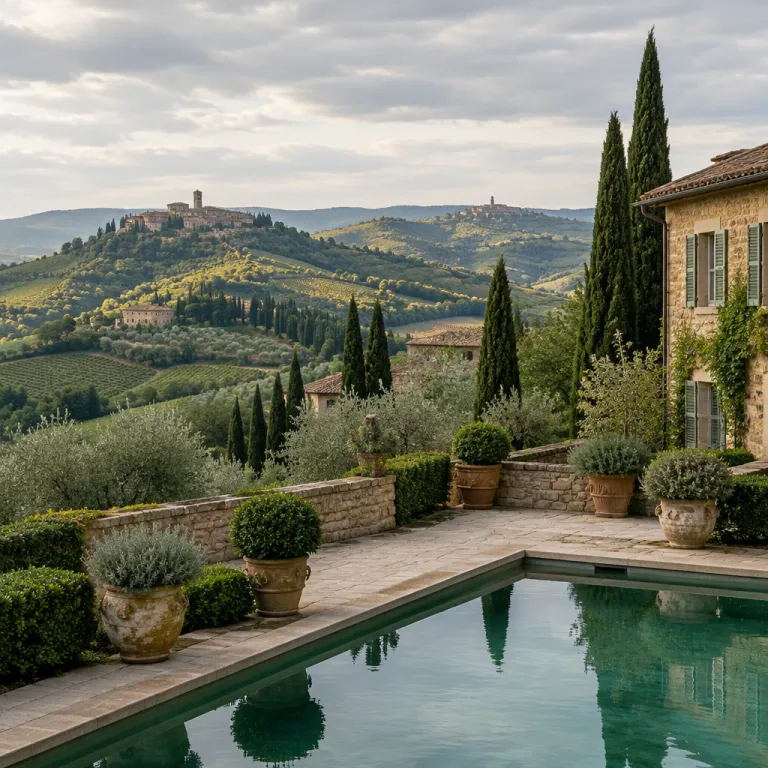
Tuscany hilltop villages list: how to choose the right town for your hotel stay
Why a tuscany hilltop villages list matters for your hotel stay
Planning a stay in Tuscany starts with understanding its elevated character. A carefully curated Tuscany hilltop villages list helps you match each town with the style of hotel and landscape you prefer, especially if you want to balance culture with quiet. When you know which hill town suits your trip, you can choose where to stay in Italy with confidence and avoid wasting a precious day moving between unsuitable towns.
Across Tuscany, medieval towns rise above rolling hills, olive groves and vineyards, each village offering a different rhythm and level of comfort. Some hill towns in Tuscany are perfect for a relaxed poolside stay in a four star hotel, while others work better as a day trip from a countryside retreat in the Chianti hills. When you read any serious towns Tuscany guide, you will notice that the best hill towns share three traits: a well preserved historic center, access to good wine and easy driving routes.
Your personal Tuscany hilltop villages list should always include a mix of famous and lesser known places. A balanced list might combine a medieval village near Siena with a quieter town Tuscany option in Val d’Elsa or Val d’Orcia, so you experience both energy and calm. When you align each hill with a specific hotel style and length of stay, your trip through villages Tuscany becomes smoother, more scenic and far more rewarding. Picture, for example, waking up to bells in a stone townhouse in Montepulciano, then ending the same week in a farmhouse with a pool among cypress trees in Val d’Orcia.
Chianti hills and countryside retreats near classic hill towns

The Chianti hills between Florence and Siena form the green heart of Tuscany. Here, countryside retreats sit among olive groves and vineyards, giving you easy access to several medieval towns while keeping you in a peaceful hill setting. For many travellers, the best strategy is to stay in one well located star hotel in Chianti and use it as a base for day trips to nearby town and village destinations.
From a Chianti retreat, you can reach the hill towns of Castellina in Chianti, Radda in Chianti and Gaiole in Chianti, all of which deserve a place on any Tuscany hilltop villages list. These towns Tuscany locations are smaller than Siena yet offer authentic Tuscan food, excellent wine and views over rolling hills that feel almost theatrical. If you are planning a longer stay in Italy, consider splitting your trip between a Chianti countryside hotel and a second hotel in Val d’Orcia or Val d’Elsa to experience different landscapes.
Budget conscious travellers often ask whether a countryside stay in Chianti costs more than a hotel in a larger town. In practice, you can find a comfortable three or four star hotel in a Chianti hill town at similar rates to a central property in Siena, especially outside peak months, and this is where a detailed guide to enjoying Tuscany on a budget in countryside hotels and art cities becomes invaluable; see this dedicated advice on budget friendly countryside hotels in the Chianti hills. When you compare options, remember that a rural stay often includes free parking, easier access to wine estates and quieter evenings than a hotel in a busy town Tuscany location. One typical itinerary might place you in a small agriturismo with a pool near Castellina in Chianti for four nights, using the car to reach Siena in about 40 minutes and San Gimignano in roughly 50 minutes.
Val d’Orcia highlights: from san quirico d’orcia to bagno vignoni
Any serious Tuscany hilltop villages list must give generous space to Val d’Orcia. This UNESCO listed valley south of Siena is famous for its rolling hills, cypress lined lanes and a sequence of hill towns that feel almost theatrical in their beauty. For travellers choosing a hotel, Val d’Orcia offers some of the best countryside retreats in Italy, especially for romantic stays and honeymoons.
San Quirico d’Orcia is a compact hill town with a remarkably well preserved historic center, making it ideal for guests who like to stroll from their hotel to dinner. In the old streets of San Quirico, you will find stone houses, small wine bars and the Romanesque Church San Quirico, which anchors the village and gives it a strong sense of place. Many visitors choose to stay in or near San Quirico because it sits at the heart of Val d’Orcia, allowing easy day trips to other beautiful villages and vineyards.
A few kilometres away, Bagno Vignoni is one of the most distinctive villages Tuscany can offer, built around a steaming thermal pool in the main square. Here, a stay in a spa focused star hotel feels particularly indulgent, especially after a day exploring the surrounding hills and olive groves of Val d’Orcia. Couples planning a special trip often combine a few nights in Bagno Vignoni with a romantic itinerary through Florence, Siena and Chianti, using specialist advice on Tuscany honeymoon routes through hill towns and vineyards to shape their journey. A simple example is three nights in a spa hotel overlooking the thermal pool, followed by three nights in a wine focused boutique hotel near Radda in Chianti.
Montepulciano, san gimignano and the art of choosing the right town
Best hilltop hotels in San Gimignano and Montepulciano
Montepulciano and San Gimignano are two names that appear on almost every Tuscany hilltop villages list, and with good reason. Both are medieval towns with strong wine traditions, dramatic skylines and a wide choice of hotel options for different budgets. The key is to understand how each hill town feels at different times of day and then decide whether to stay overnight or visit as a day trip.
Montepulciano rises along a narrow ridge, its historic center lined with Renaissance palaces, wine cellars and views across Val d’Orcia and Val di Chiana. A stay in Montepulciano suits travellers who enjoy evening wine tastings, as many cantinas open late and the town becomes calmer once day trippers leave, which makes a central hotel particularly appealing. If you prefer quieter surroundings, you might choose a countryside star hotel among olive groves just outside the village, using the town mainly for dinners and cultural visits.
San Gimignano, often called the town of towers, sits above Val d’Elsa and offers one of the most recognisable skylines in Tuscany. The historic center can feel crowded during the middle of the day, so many experienced travellers either stay overnight in or near San Gimignano or visit early in the morning and late in the afternoon when the medieval streets feel more intimate. One frequent visitor summarised it simply: “Sleep inside the walls if you love evening strolls, but choose a farmhouse nearby if you want starry skies and silence.” When planning your trip, consult a detailed guide to how Tuscany’s top museums shape smart hotel choices, such as the analysis available on smart hotel choices near cultural highlights, and then decide whether a town based or countryside stay best matches your style. A practical compromise is to book two nights in a small hotel just off Piazza della Cisterna in San Gimignano, then move to a rural guesthouse with a pool ten minutes’ drive away for a quieter three night stay.
Colle val d’elsa, lesser known hill towns and quiet beautiful villages
While famous names dominate many versions of a Tuscany hilltop villages list, the region’s character often reveals itself in quieter towns. Colle Val d’Elsa, for example, is a hill town overlooking the Val d’Elsa river valley, known for crystal production and a layered historic center that feels more local than touristic. A stay here works well for guests who want easy access to Siena and San Gimignano without sleeping in the busiest streets.
In Colle Val d’Elsa, the upper town offers a well preserved medieval core with stone gateways, narrow lanes and views over rolling hills dotted with olive groves. Several small hotels and guesthouses occupy historic buildings, giving you the chance to sleep within old walls while enjoying modern comforts and reliable service. Because the town is less famous than other medieval towns in Tuscany, room rates can be more favourable, especially for longer stays that include multiple day trips.
Beyond Colle Val d’Elsa, many travellers build their own Tuscany hilltop villages list by adding small beautiful villages they encounter while driving. These might include lesser known hill towns near Siena or in the direction of Val d’Orcia, where a single church San Michele or San Pietro dominates the skyline and anchors village life. When you choose a hotel in such a town Tuscany setting, you trade nightlife and shopping for silence, star filled skies and a closer connection to everyday Tuscan rhythms.
Practical tips for matching hotels with tuscan hill towns
Turning a Tuscany hilltop villages list into a workable itinerary requires some practical decisions. First, decide how many hotel changes you are comfortable with during your trip, because every move between towns in Tuscany costs time and energy. Many experienced travellers choose two bases, often one near Siena or in Chianti and another in Val d’Orcia or Val d’Elsa, then use day trips to reach additional hill towns and villages.
When comparing hotels, look beyond the star hotel rating and focus on location within each town or village. A property in the historic center of a medieval hill town offers immediate access to restaurants and evening walks, while a countryside stay among olive groves and vineyards gives you more space, parking and often a pool with views over rolling hills. In both cases, read recent guest feedback carefully, paying attention to comments about noise, parking and the ease of reaching the hotel by car.
Parking rules in Italy can be strict, especially in the historic center of medieval towns where ZTL restricted zones apply. Before confirming your stay, check whether your chosen hotel lies inside such a zone and whether they can register your number plate or provide clear arrival instructions, as this small detail can save your first day in Tuscany from unnecessary stress. Finally, keep your Tuscany hilltop villages list flexible; if a particular town feels especially welcoming, allow yourself to extend your stay and enjoy the rhythm of Tuscan life at a slower pace. As a rough guide for drivers, Siena to San Gimignano usually takes about one hour, Siena to Montepulciano around seventy minutes, and Siena to San Quirico d’Orcia roughly one hour by car in normal traffic.
Key figures for planning hotel stays in tuscan hill towns
- According to data from the Italian National Institute of Statistics (ISTAT), Tuscany records tens of millions of overnight stays in tourist accommodation each year; recent tourism reports for the region indicate that booking hotels in popular hill towns like San Gimignano and Montepulciano several months ahead is strongly recommended, especially for peak summer and major holidays.
- Regional tourism summaries from Toscana Promozione Turistica suggest that a majority of visitors to Tuscany choose to stay in rural or small town locations rather than major cities, reflecting the strong appeal of countryside retreats in areas such as Chianti and Val d’Orcia; exact percentages vary slightly from year to year, but the preference for villages and countryside remains consistent.
- Surveys by the Tuscany regional tourism board (Osservatorio Turistico Regionale) indicate that average guest satisfaction scores for accommodation in historic centers of hill towns are often slightly higher than for properties on the outskirts, largely due to walkability and access to restaurants, though some travellers still prefer quieter countryside hotels.
- Transport data and service information from Trenitalia and regional bus operators confirm that many iconic hill towns have limited public transport connections, so a significant share of visitors exploring villages Tuscany by staying in the countryside choose to rent a car for flexibility; if you prefer not to drive, focus on hill towns with better bus links from Florence or Siena.
FAQ about hotels and hilltop villages in tuscany
Which hill town in Tuscany is best for a first stay ?
For a first stay, many travellers choose either Siena, San Gimignano or Montepulciano, because these towns combine a well preserved historic center with a wide range of hotels and easy access to surrounding villages.
How many nights should I spend in Val d’Orcia ?
To appreciate Val d’Orcia properly, plan at least three nights, which allows time to explore San Quirico d’Orcia, Bagno Vignoni and nearby vineyards without rushing between hill towns.
Do I need a car to explore tuscan hill towns from my hotel ?
A car is highly recommended, because many villages and smaller towns have limited public transport, and driving lets you reach beautiful villages, olive groves and viewpoints that are difficult to access otherwise.
Is it better to stay in a town or in the countryside ?
Staying in a town offers walkable access to restaurants and evening life, while a countryside hotel among rolling hills provides more space, quieter nights and easier parking, so the best choice depends on your priorities.
When is the best time of year to book hotels in tuscan hill towns ?
Spring and early autumn usually offer comfortable temperatures, scenic landscapes and slightly lower hotel rates than the peak summer period, though you should still book popular hill towns several months in advance.