Driving in Tuscany tips and rules for a Chianti countryside escape
Driving in Tuscany tips and rules matter enormously when your hotel sits among vineyards. You will rely on a car in Italy to reach secluded countryside retreats in the Chianti hills, where roads curve through olive groves and stone villages. For a relaxed trip, understand how to handle each type of road safely and legally before you arrive.
Most travellers land in Rome or Florence then arrange a rental car before heading towards Chianti. When you plan on driving Italy routes between these cities and the countryside, compare car rental companies that allow one way returns and clearly explain insurance, fuel policy, and mileage. Take time at the rental desk to photograph the rental car, check tyres and lights, and confirm how to reach your hotel on the main roads and on the last side road.
Once you leave Florence or Siena, the roads Tuscany offers become narrower, slower, and more scenic. You will share each road with tractors, cyclists, and local cars, so expect to drive behind them for some time instead of overtaking aggressively. Respecting the local rhythm makes motoring through Tuscany feel calmer and keeps your holiday mood intact.
Choosing a Chianti countryside hotel when you plan to drive
When you book a countryside retreat between Florence and Siena, driving in Tuscany tips and rules should shape your hotel shortlist. Many wine estates sit several kilometres from the nearest main roads, so you will follow a side road or gravel track that feels remote at night. Check in advance whether the property recommends a small Tuscany car, because a compact car will handle narrow roads Tuscany offers more easily than large cars.
Carefully read hotel descriptions about parking, since some historic farmhouses offer only a few parking spaces close to the rooms. You will want clear information about whether parking is free, covered, or shared with other cars, especially if you rent car models that are larger or more valuable. If a property suggests that guests leave car keys at reception, ask why, and confirm how they manage moving cars on busy weekends.
Location matters as much as comfort when you drive Tuscany routes for wine tastings and day trips. A retreat near the Florence Siena road allows quick access to both cities, while a more secluded agriturismo may require extra time on winding roads Tuscany hides behind the hills. For detailed neighbourhood guidance, use a specialist resource on where to stay in the Chianti wine region between Florence and Siena before confirming your booking.
Understanding Italian road rules, speed limits, and ZTL zones
Italian road rules shape every drive, from the motorway leaving Rome to the last side road near your Tuscan hotel. On most main roads outside towns, the standard speed limit is 90 km/h, while dual carriageways and toll roads usually allow 110 km/h and motorways 130 km/h unless lower speed limits are posted, according to the Italian Highway Code and the Automobile Club d’Italia (ACI). In villages across Tuscany, the speed limit often drops to 50 km/h, and you will see frequent speed cameras and local police checks.
Pay close attention to road signs with a red border, because these usually indicate a restriction such as a new speed limit, a weight limit, or a no entry rule. In historic centres of Florence, Siena, and many hill towns, you will encounter ZTL zones, which are limited traffic areas controlled by cameras that automatically fine unauthorised cars. Never drive into a ZTL unless your hotel has registered your rental car plate with the municipality in advance, and always ask reception to confirm which streets are safe.
Parking rules also differ between cities and countryside, and they will affect your trip budget. In Florence and other larger towns, blue lined parking bays are paid, white lines usually indicate free parking, and yellow lines are reserved, while some car parks sit just outside ZTL boundaries. To align your hotel choice with your driving Italy plans, consult a guide on what Tuscany is famous for and how to choose the right hotel so that parking and access match your expectations.
Navigating from Rome or Florence to Chianti by car and train
Many guests start their Tuscan road trip by flying into Rome, then driving north towards Florence before turning into the Chianti hills. The main roads and toll roads on this route are efficient, but you will still need time to adapt to Italian lane discipline, frequent service areas, and variable speed limits. Plan your first drive during daylight, because arriving at a rural hotel after dark makes unfamiliar side roads and unlit road signs harder to read.
If you prefer to avoid driving Italy motorways immediately after a long flight, consider taking the train Florence route first, then arranging a car rental there. The high speed train Florence connections from Rome are frequent and usually take around 1 hour and 30 minutes, based on Trenitalia and Italo timetables, and once you arrive, you can rent car options that suit narrow roads Tuscany offers, then drive Tuscany only for the shorter countryside segments. This approach reduces fatigue, lowers toll roads costs, and lets you adjust gradually to local driving Tuscany habits.
Some travellers choose to leave car logistics until they reach their hotel area, but this will limit your flexibility. Rural villages rarely host large car rental offices, and renting car services may require a return trip to Florence or Siena, which costs both time and money. For a smoother trip, secure your rental car in advance, confirm pick up and drop off times, and keep all documents accessible while you drive.
Parking, leaving your car, and accessing countryside retreats
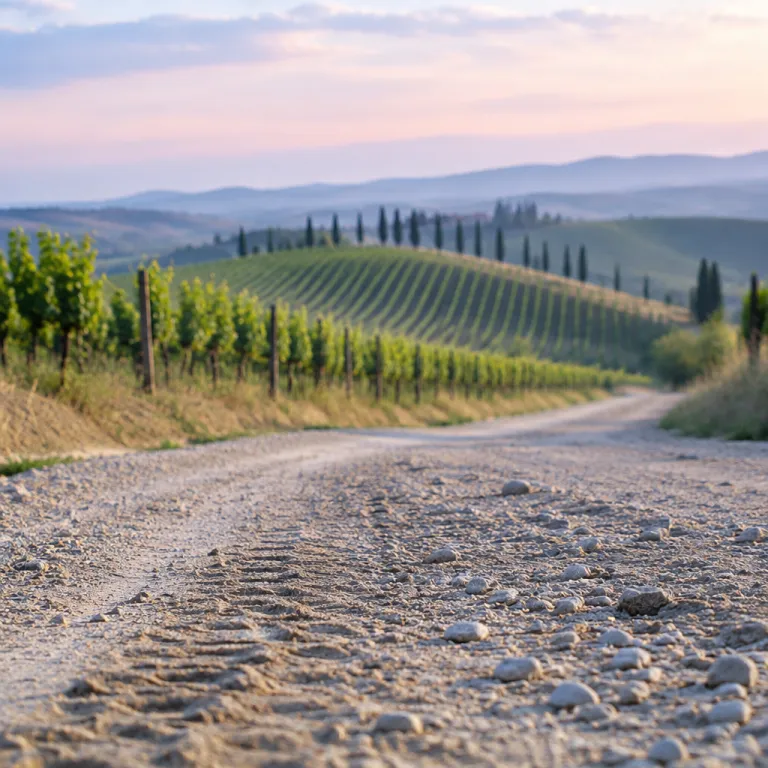
Once you reach the Chianti hills, your daily driving in Tuscany tips and rules become more about parking and access than motorway etiquette. Many agriturismi and wine estates sit at the end of a side road, where you will share space with local residents, delivery vans, and sometimes farm machinery. Drive slowly on gravel roads Tuscany uses for vineyard access, because loose stones can damage tyres and rental car paintwork.
When you arrive, staff will usually show you where to leave car keys and how to park so that other cars can pass. Ask whether the parking area floods in heavy rain, whether there is shade for your Tuscany car during hot afternoons, and whether electric charging is available if you drive a hybrid. In some hamlets, you may need to leave car spaces free for residents on certain days, so always read local road signs carefully.
Guests often underestimate how much they will rely on their car once settled in the countryside. Even if your hotel offers a restaurant, you may want to drive Tuscany backroads to nearby villages for dinners, wine tastings, or markets. Before each trip, check the route on a map, note any ZTL zones in Florence or Siena if you plan a city visit, and allow extra time for slow traffic on scenic roads.
Planning day trips, museum visits, and safe evening drives
From a Chianti retreat, you can plan a road trip that includes Florence, Siena, San Gimignano, and smaller wine villages without changing hotels. To make these excursions enjoyable, combine driving in Tuscany tips and rules with realistic timing, allowing for slower speed limits, parking searches, and photo stops. Leaving early in the morning will help you reach cities before traffic builds and before ZTL cameras become a concern near historic centres.
When you visit major museums in Florence or Siena, consider parking on the edge of town and walking or using public transport inside the ZTL perimeter. This strategy protects you from fines, reduces stress, and lets you enjoy cultural visits without worrying about where cars are parked or whether a red border on a sign means a new restriction. For a deeper look at how cultural attractions influence where to stay, consult this analysis of how Tuscany’s top museums shape smart hotel choices and align your itinerary with your chosen base.
Evening drives back to your hotel require extra care, because rural roads Tuscany offers are often dark and winding. You will meet fewer cars, but wildlife, cyclists without lights, and sharp bends demand slower speeds than daytime driving Italy conditions. Keep headlights clean, use dipped beams around other traffic, and never rely solely on navigation apps, which may suggest unsuitable side roads for a standard rental car.
Key figures for driving and car rental in Tuscany
- On Italian motorways, the standard speed limit is 130 km/h, while dual carriageways usually allow 110 km/h and ordinary main roads 90 km/h, with 50 km/h in built up areas according to the Italian Highway Code and summaries published by the Automobile Club d’Italia (ACI).
- Average daily car rental prices in Italy often range between 35 and 70 euros for a compact vehicle, depending on season, demand, and pick up location, based on data from major rental companies such as Europcar, Hertz, and Avis.
- Fuel prices in Tuscany typically sit slightly above the national Italian average, with petrol often costing several euro cents more per litre at motorway service stations than at local village pumps, according to reports from the Italian Ministry of Economic Development and fuel price monitoring portals.
- Many historic Italian city centres, including Florence and Siena, operate ZTL zones that can issue automatic fines exceeding 80 euros per unauthorised entry, as reported by local municipal transport authorities and official ZTL information pages.
- High speed train Florence connections from Rome usually take around 1 hour and 30 minutes, offering an alternative to a 270 km drive on toll roads for travellers who prefer to rent a car only after reaching Tuscany, according to Trenitalia and Italo timetables.
FAQ about driving in Tuscany and reaching countryside hotels
Is it better to rent a car in Rome or in Florence for Tuscany ?
Renting a car in Rome gives you flexibility for a longer road trip, but it means starting your driving Italy experience on busy toll roads immediately after arrival. Collecting a rental car in Florence, especially after using the train Florence route from Rome, reduces motorway stress and keeps your first drive to Chianti shorter. Choose Rome if you plan multiple stops en route, and Florence if your focus is mainly on Tuscany and the Chianti hills.
Do I need a car to stay in a Chianti countryside hotel ?
Most countryside retreats in the Chianti hills sit far from frequent public transport, so a car is highly recommended. You will rely on driving Tuscany backroads for restaurant visits, wine tastings, and day trips to Florence or Siena. Taxis exist but are expensive and scarce in rural areas, making a rental car the most practical option.
How do ZTL zones affect hotel stays in Florence and Siena ?
ZTL zones restrict access to historic centres, and cameras automatically fine unauthorised cars that cross the boundary. If your hotel lies inside a ZTL, you must provide your rental car plate in advance so staff can register it with the municipality for specific arrival and departure routes. Always follow hotel instructions precisely, watch for red border ZTL road signs, and avoid improvising new routes through restricted streets.
Are Tuscan country roads difficult to drive at night ?
Rural roads Tuscany offers can be challenging after dark because they are narrow, winding, and often unlit. You will need to reduce speed, watch carefully for wildlife and unmarked junctions, and rely on clear road signs rather than only on navigation apps. Whenever possible, plan longer segments of your trip during daylight and keep evening drives short between nearby villages and your hotel.
Where can I safely leave my car when visiting hill towns ?
Most Tuscan hill towns provide designated car parks outside the historic centre, often signed clearly as parcheggio with blue or white markings. You should leave car spaces inside the walls free unless your hotel has arranged special access, because many inner streets fall within ZTL zones. Always check payment machines, time limits, and any red border road signs indicating resident only or restricted parking areas.