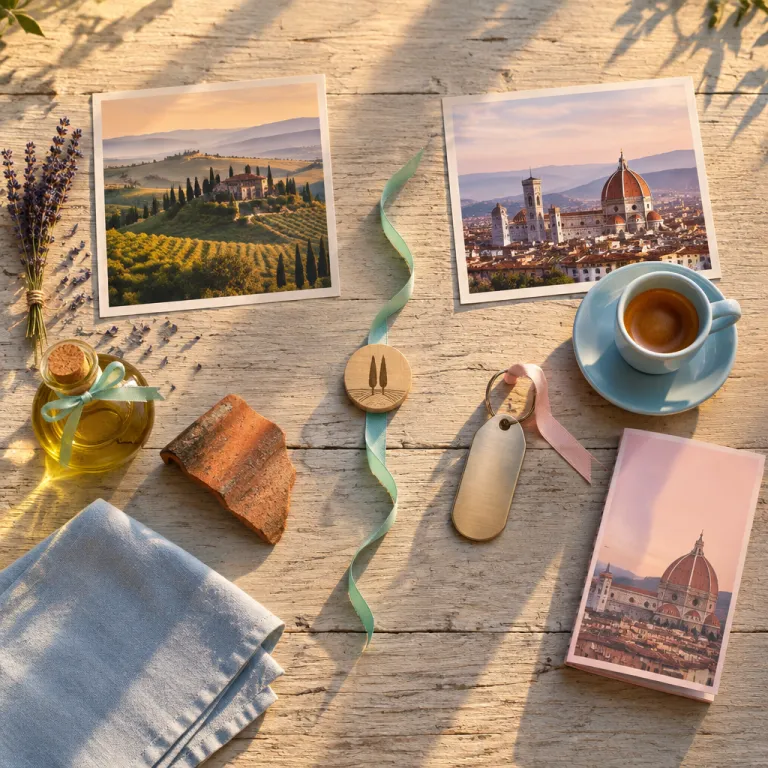
Weighing a Tuscany countryside vs Florence stay for your hotel base
Choosing between a Tuscany countryside vs Florence stay shapes every moment of your trip. A hotel in central Florence places you steps from the Duomo, the Uffizi, and the Arno, while a retreat in the Tuscan countryside surrounds you with vineyards and rolling hills. The best choice depends on how you like to spend each day, how confident you feel about driving, and how much time you have in Tuscany.
When you stay in Florence, you gain instant access to galleries, churches, and restaurants from early morning until late at night. This kind of stay in Florence suits travellers who want to walk everywhere, minimise car use, and follow a focused Florence itinerary built around art and food. A countryside stay in Tuscany instead favours slow mornings, scenic drives, and long lunches, often combined with a relaxed wine tasting tour in the nearby hills and small medieval villages.
Think about your first and last day in Italy, because arrival logistics matter more than many travellers expect. If your flight lands in Pisa or Florence, a first night in a city hotel reduces stress and keeps your initial stay simple. Later in the trip, you can move to the Tuscan countryside, spend nights among olive groves, and then return to Florence or Pisa for your final day trip or onward train. Checking current flight times, train schedules, and hotel check-in rules before you book helps you avoid rushed transfers.
Staying in Florence: when a city hotel makes the most sense
A stay in Florence works best if this is your first trip to Tuscany and you have limited days. From a well located hotel near the historic centre, you can walk to the Duomo, Ponte Vecchio, and Santa Croce in a single day, then follow a structured Florence itinerary over several days. This kind of stay in Florence also simplifies guided tour departures, because many tour Florence operators meet near Santa Maria Novella station or in central piazzas, often around 8:00–9:00 in the morning.
Florence is also the most efficient base for day trips by train or bus when you do not want to rent a car. You can plan a day trip from Florence to Pisa and Lucca, often sold together as a Pisa Lucca combination, or join a Florence Siena excursion that includes Piazza del Campo and the cathedral. With more days in Florence, you can add short day trips to nearby Chianti villages, then return each night to the same hotel without packing and unpacking, which many travellers find less tiring than changing rooms every other day.
Travellers who value dining variety and nightlife usually prefer to stay in Florence rather than in a remote Tuscan countryside hamlet. The city offers everything from traditional trattorias to contemporary tasting menus, all within a short walk or taxi ride from your stay. If you want to understand what Tuscany is famous for and how to choose the right hotel for your trip, a detailed online guide to Tuscan highlights and accommodation types can help you refine your Florence versus countryside priorities. For a quick sense check, ask yourself whether you would rather end the day with a stroll past the Arno or with a glass of Chianti under a dark, quiet sky.
Choosing the Tuscan countryside: Chianti, Val d’Orcia, and beyond
A stay in the Tuscan countryside appeals to travellers who picture vineyards, cypress lined lanes, and quiet evenings under the stars. In Chianti, between Florence and Siena, countryside hotels often sit on working wine estates, where you can join a wine tasting in vaulted cellars before dinner. The rolling hills here feel close enough to Florence Tuscany for easy day trips, yet distant enough to feel like a different world, especially at sunrise when mist settles in the valleys.
Further south, the Val d’Orcia offers some of the most photographed landscapes in Tuscany, with wheat fields, stone farmhouses, and thermal villages. A hotel in this area suits a road trip style itinerary, where you drive a car along scenic routes and stop in Pienza, Montalcino, and Montepulciano during the day. Many travellers combine a few days in Florence with several nights in the Val d’Orcia, balancing city culture with countryside calm in a single stay Tuscany itinerary that feels both varied and coherent.
For couples planning a romantic trip, the Tuscan countryside around Chianti and the Val d’Orcia often feels more intimate than Florence itself. You can stay in a restored farmhouse, enjoy private wine tasting sessions, and take a slow day trip to small villages without crowds. For tailored romantic itineraries that link Florence, Siena, and Chianti into one coherent stay, specialist resources on Tuscany Italy honeymoon packages and routes through Florence Siena and Chianti can be especially useful. Reading recent guest reviews for rural properties also helps you judge how secluded or social each place feels in reality.
How many days in Florence vs countryside, and where to spend nights
Deciding how many days in Florence versus the countryside is the most practical part of planning a Tuscany countryside vs Florence stay. With a week in Tuscany, many travellers spend three nights in a Florence hotel and four nights in the Tuscan countryside, or reverse the ratio if they prefer rural calm. If you have fewer days, a four night stay in Florence with one or two countryside day trips by tour or rental car can still feel balanced and avoids too many hotel changes.
Think in terms of travel days, not just total nights, because transfers eat into your time. If you land in Pisa, you might stay the first night in Florence, then move to Chianti for three nights, and finally return to Florence or Pisa for your last stay before flying out. With this pattern, you minimise one way driving, keep your road trip segments short, and still enjoy both Florence Tuscany culture and the rolling hills of Chianti or Val d’Orcia. Always allow a buffer of at least a couple of hours between dropping a rental car, reaching the airport or station, and your scheduled departure.
Families often prefer to spend more nights in one countryside base to avoid constant packing, then add a focused two day stay in Florence at the end. Solo travellers and art lovers, by contrast, may choose more days in Florence, using structured day trips to Siena, San Gimignano, or Pisa Lucca to sample the wider region. Whatever you choose, be realistic about how much you can visit in a single day trip, because Tuscany rewards slow travel more than rushed checklists. A simple written outline of each day, including approximate driving or train times, keeps expectations grounded.
Day trips from Florence vs touring from a countryside base
When you stay in Florence, organised day trips make it easy to see more of Tuscany without driving. Popular options include a combined Florence Siena and San Gimignano tour, often with a short stop in Chianti for wine tasting and a traditional lunch. Another classic day trip links Pisa and Lucca, giving you time to climb the Leaning Tower and walk Lucca’s walls before returning to your Florence hotel in the evening, usually by early evening so you can still enjoy dinner in the city.
From a countryside base in Chianti or the Val d’Orcia, touring feels different, because you control the pace of your trip. With a rental car, you can design your own road trip between small villages, stopping whenever a view of rolling hills or a local market tempts you. Many travellers staying in the Tuscan countryside still plan one or two day trips to Florence, Siena, or Pisa, but they enjoy returning to a quieter stay Tuscany setting at night, often with a simple dinner on a terrace instead of a late restaurant booking.
Guided tours operate from both Florence and rural areas, yet the style of touring changes with your base. City based tours from Florence Tuscany tend to cover several major sights in one long day, while countryside tours focus on fewer places, longer tastings, and scenic drives. If you are unsure whether a city or rural base suits your touring style, comparing regional escapes in Italy through a detailed guide to choosing between Tuscany and the Amalfi Coast can clarify what kind of stay matches your expectations. Reading sample itineraries from reputable tour operators can also reveal how much time is realistically spent on the road versus at each stop.
Driving, logistics, and when you really need a car
Transport is often the deciding factor in a Tuscany countryside vs Florence stay, because driving in Italy feels different from driving at home. If you plan to stay in Florence only, you do not need a car, and in fact a car can be a burden due to limited parking and traffic restrictions. For a stay in the Tuscan countryside, however, a car transforms your trip, turning short transfers into flexible day trips through vineyards and villages and letting you stop at viewpoints that buses simply pass by.
Many travellers choose a hybrid approach, collecting a rental car only when they leave Florence for the countryside. This way, you enjoy car free days in Florence, then shift into road trip mode once you reach Chianti, Val d’Orcia, or the area around San Gimignano. When you return to Florence or Pisa at the end of your stay, you can drop the car before your final night, simplifying your last day and avoiding city driving. Checking current rules on ZTL (limited traffic zones) and parking garages in advance reduces stress when you approach larger towns.
Public transport still plays a role, especially for linear routes between Florence, Siena, and Pisa. Trains connect Florence and Pisa in about 50 to 60 minutes, while buses link Florence Siena and the hilltop town of San Gimignano via Poggibonsi. If you do not want to drive at all, choose a hotel near major bus or train hubs and rely on guided day trips for more remote Tuscan countryside experiences. Up to date timetables and journey times are published by Trenitalia and regional bus companies, so always confirm details close to your departure date.
Deep dive: countryside retreats in the Chianti hills for your hotel stay
The Chianti hills between Florence and Siena offer some of the most appealing countryside retreats in Tuscany for travellers choosing where to stay. Here, vineyards climb gentle slopes, olive groves frame stone farmhouses, and small villages like Greve, Radda, and Castellina provide just enough services without losing their rural charm. A hotel in this area lets you balance a peaceful stay with easy access to both Florence Tuscany and Siena for cultural day trips, often within an hour’s drive in normal traffic.
Many Chianti properties sit along classic road trip routes that link Florence, Siena, and San Gimignano in a scenic triangle. From a single base, you can plan a day trip to Siena to see Piazza del Campo and the shell shaped square where the Palio horse race takes place. Another day, you might drive to San Gimignano, wander its medieval towers, and return to your hotel in time for a sunset wine tasting overlooking rolling hills and vineyards. In high season, booking tastings and restaurant tables a few days ahead helps you avoid disappointment.
For travellers comparing a stay in Florence with a stay in Chianti, the key difference lies in rhythm and sound. In the city, you wake to church bells and street life, while in the Tuscan countryside you hear birds, tractors in distant fields, and the clink of glasses on a terrace. A thoughtful guide who knows both Florence and Chianti well will often suggest splitting your stay Tuscany style, with several nights in each place, so you can visit major cities yet still feel the slower side of Tuscany. Reading recent regional tourism brochures and official maps can also help you visualise distances between villages before you commit to a specific base.
Key figures for planning a stay in Florence and the Tuscan countryside
- According to data from ENIT, the Italian National Tourist Board, Tuscany welcomes more than 13 million visitors annually, with Florence alone accounting for roughly one third of overnight stays in the region, which shows how dominant a stay in Florence remains for first time trips. These figures are approximate and based on ENIT regional tourism summaries published around 2019–2022, so you should check the latest ENIT statistical reports for updated numbers when you plan.
- Regional transport statistics indicate that the train journey between Florence and Pisa takes about 50 to 60 minutes, while Florence to Siena by bus averages 75 minutes, making both cities realistic day trips without a car for many travellers. Timetables and journey times can change, so always confirm current schedules on official Trenitalia and Tuscany regional bus operator websites or printed timetables before you travel.
- Surveys from the Tuscany regional tourism office report that visitors who combine both a city and countryside stay in Tuscany tend to stay about two nights longer on average than those who choose only Florence, suggesting that a split base encourages a slower, more immersive trip. Treat these numbers as indicative rather than exact, and consult the most recent statistics and visitor surveys from the Regione Toscana tourism department for precise data.
- Wine consortium figures from the Consorzio Vino Chianti Classico show that the Chianti Classico area includes around 7 000 hectares of vineyards, which explains why wine tasting and vineyard tours are among the most requested activities for guests staying in the Chianti countryside. For precise, up to date data, consult the latest publications, annual reports, and production statistics released by the Consorzio Vino Chianti Classico.
FAQ about choosing between a Tuscany countryside and Florence stay
Is it better to stay in Florence or in the Tuscan countryside for a first trip ?
For a first trip with limited time, staying in Florence usually makes more sense, because you can walk to major sights and join organised day trips to Siena, San Gimignano, and Pisa without renting a car. If you have at least a week, splitting your stay between Florence and a countryside base in Chianti or Val d’Orcia gives you both culture and landscape. Many travellers now choose three or four nights in Florence followed by three or four nights in the Tuscan countryside, adjusting the split depending on how much they enjoy museums versus open air scenery.
How many days should I spend in Florence compared with the countryside ?
With seven days in Tuscany, a balanced plan is three nights in a Florence hotel and four nights in the countryside, or the reverse if you prefer rural calm. Shorter trips of four or five days work better with a single base, usually Florence, plus one or two guided day trips into the hills. Longer stays of ten days or more can comfortably include Florence, Chianti, and Val d’Orcia in one itinerary, with at least two or three nights in each place so you are not constantly on the move.
Do I need a car to enjoy the Tuscan countryside ?
A car is not essential for a stay in Florence, but it is highly recommended for a stay in the countryside, especially in Chianti and Val d’Orcia. Public transport between major towns exists, yet many rural hotels sit far from bus stops, and a car gives you freedom to explore small villages and viewpoints. If you are nervous about driving, consider staying near a larger town like Siena and using guided tours for more remote areas, or choosing a countryside hotel that advertises shuttle services in its current description.
Can I visit Siena, San Gimignano, and Pisa as day trips from Florence ?
Yes, all three can be visited as day trips from Florence, either independently or on organised tours. Siena and San Gimignano are often combined in one long day tour that includes Piazza del Campo and time to walk the medieval streets. Pisa is frequently paired with Lucca, giving you a full day that covers both the Leaning Tower and Lucca’s Renaissance walls, with enough time for a relaxed lunch or a short coffee break in each town.
Is a countryside stay suitable if I am travelling without a car ?
It is possible but requires careful planning and the right hotel choice. Look for countryside properties that offer shuttle services to nearby towns, or choose a base close to a train station or main bus route, such as around Siena or in larger Chianti villages. If you prefer complete independence without a car, a stay in Florence with several well chosen day trips may be more practical, while still giving you a taste of the Tuscan countryside on organised excursions.